
Why Aphids Are a Real Threat to Your Herb Garden
Making an aphid killer homemade spray is easier than you think — and it works fast. Here are the most effective natural recipes:
| Spray Type | Key Ingredients | How It Works |
|---|---|---|
| Soap spray | Castile soap + water | Disrupts cell membranes, desiccates aphids |
| Garlic spray | Garlic + water + liquid soap | Sulfur and allicin repel and kill aphids |
| Neem oil blend | Neem oil + castile soap + water | Disrupts hormones, coats and suffocates pests |
| Peppermint spray | Peppermint oil + soap + water | Menthol deters aphids and ants |
| Hot pepper spray | Cayenne + soap + water | Repels insects and mammals |
One day your herb garden looks lush and fragrant. The next, you spot clusters of tiny bugs stuck to every stem and tucked under every leaf. Sound familiar?
That’s aphids. And they move fast.
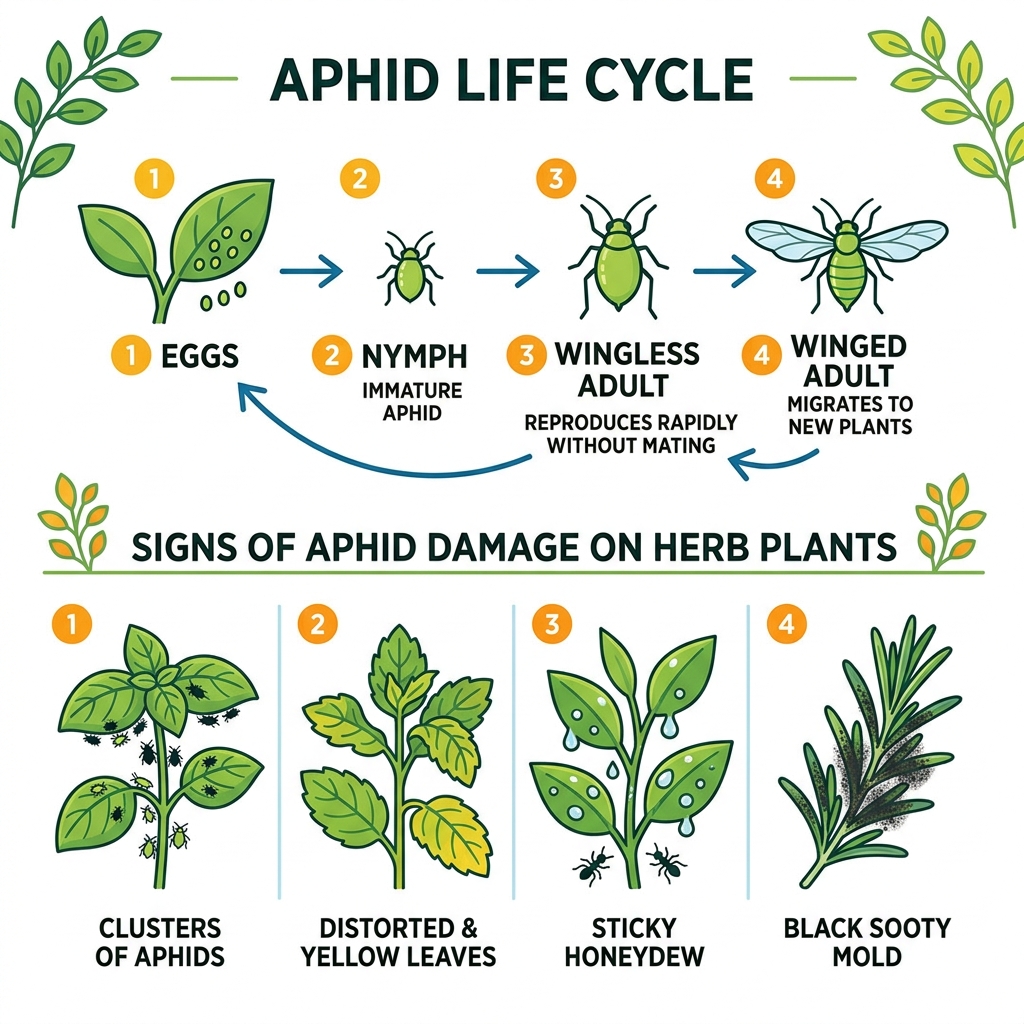
There are roughly 4,000 varieties of aphids, and they feed by piercing plant tissue and sucking out nutrient-rich sap. The result? Curling leaves, yellowing stems, distorted growth — and a sticky residue called honeydew that attracts ants and breeds black sooty mold. For herb gardeners especially, an aphid infestation doesn’t just damage your plants. It ruins the very thing that makes them special: their aroma, their flavor, their vitality.
The good news is you don’t need harsh chemicals to fight back. Simple kitchen and pantry ingredients can be combined into sprays that actually work — without putting your herbs, your family, or beneficial insects like bees and ladybugs at risk.
Top Recipes for an Effective Aphid Killer Homemade Spray
When we talk about an aphid killer homemade solution, we aren’t just looking for a “deterrent.” We want something that stops these sap-suckers in their tracks. Because aphids produce multiple generations in a single year, an infestation can spiral out of control before you’ve even finished your morning coffee.
The primary mechanism behind most DIY sprays is desiccation or suffocation. Unlike heavy synthetic pesticides that poison the plant and the soil, these natural remedies focus on the physical biology of the insect. For instance, soap-based sprays work by disrupting the aphid’s sensitive cell membranes, causing them to dry out and die.
Research has shown just how powerful these pantry staples can be. In one study, a 2% concentration of garlic extract successfully eliminated about 75% of aphids on tea cuttings within just 24 hours. That is a higher success rate than many commercial products, and it costs pennies to make! By opting for diy-organic-pesticides-for-home-gardeners, you are choosing a path that is safe for your edible herbs and better for the planet.
The Classic Soap-Based Aphid Killer Homemade Recipe
This is the “Old Reliable” of the gardening world. It is incredibly effective against soft-bodied insects like aphids, thrips, spider mites, and whiteflies.
The Recipe:
- 1 tablespoon of pure liquid castile soap (like Dr. Bronner’s)
- 1 quart (approx. 1 liter) of water
Instructions:
- Mix the soap and water in a clean spray bottle.
- Shake gently to combine—try to avoid creating too much foam.
- Spray directly onto the aphids. This is a contact killer, meaning it only works if the liquid touches the bug.
We recommend using pure castile soap rather than heavy-duty dish detergents. Many modern dish soaps contain degreasers and bleach that can strip the protective waxy coating off your herb leaves, leaving them vulnerable to “sunburn” or disease. If you’re dealing with aphids-on-basil-indoors-are-a-real-buzzkill, this mild soap spray is often the safest first line of defense.
Garlic and Pepper: A Potent Aphid Killer Homemade Deterrent
If you want to add some “kick” to your pest control, look no further than your spice rack. Garlic is rich in sulfur and allicin, compounds that not only kill aphids on contact but also confuse their sensory receptors, making your plants smell like a nightmare to them.
The Recipe:
- 1 bulb of garlic (peeled and minced)
- 1 teaspoon of cayenne pepper (or 2-3 chopped hot peppers)
- 1 quart of water
- 1 teaspoon of liquid soap (to help the mixture stick)
Instructions:
- Blend the garlic and peppers with a cup of water until smooth.
- Add the rest of the water and let the mixture “steep” overnight (or boil it for 20 minutes for a faster version).
- Strain the liquid through a fine mesh or cheesecloth to remove any bits that might clog your spray nozzle.
- Add the soap, pour into a bottle, and you’re ready to go.
Pro-Tip: The capsaicin in the hot peppers serves a dual purpose. While it doesn’t bother the insects much more than the garlic does, it is a fantastic deterrent for mammals like bunnies, deer, or even neighborhood cats who might be eyeing your herb garden for a snack. Just be careful not to get this in your eyes!
Neem Oil and Essential Oil Blends
For a heavy-duty aphid killer homemade solution, neem oil is the gold standard. Derived from the seeds of the neem tree, it contains azadirachtin, which disrupts the hormones of the aphids, preventing them from feeding or molting.
The Recipe:
- 1-2 teaspoons of cold-pressed neem oil
- 1/2 teaspoon of liquid castile soap (acts as an emulsifier)
- 1 quart of warm water
Instructions:
- Mix the soap and warm water first. Neem oil is an oil, so it won’t mix with plain water; the soap helps it “emulsify.”
- Add the neem oil and shake well.
- For an extra boost, add 20 drops of peppermint essential oil. The menthol in peppermint is a natural repellent for both aphids and the ants that often “farm” them for honeydew.
Using natural-pest-control-for-beginners methods like neem oil ensures that you are managing pests without introducing toxins into your kitchen herbs.

Best Practices for Applying Homemade Solutions Safely
Even natural sprays can stress a plant if applied incorrectly. To ensure your herbs stay healthy while the aphids “check out,” follow these golden rules:
- The “Under-Leaf” Rule: Aphids are the ultimate hide-and-seek champions. They almost always cluster on the undersides of leaves and at the tender new growth tips. If you only spray the tops of the leaves, you’ll miss 90% of the colony.
- Timing is Everything: Never spray in the heat of the day or under direct, full sun. The liquid droplets can act like tiny magnifying glasses, leading to phototoxicity (leaf burn). The best time to apply your aphid killer homemade spray is early morning or late evening when temperatures are cooler.
- The Test Patch: Before you go “Rambo” on your entire rosemary bush, test the spray on one or two leaves. Wait 24 hours to ensure the plant doesn’t show signs of wilting or spotting. This is especially important for delicate herbs.
- Rinse and Repeat: For soap-based sprays, some gardeners prefer to let the solution sit for an hour and then gently rinse the plant with fresh water. This removes the dead bugs and the soapy residue, keeping the leaf pores clear.
For more detailed advice on specific herb sensitivities, check out our stop-the-sap-suckers-a-guide-to-aphid-free-herbs guide.
Integrated Pest Management and Prevention Strategies
At Ponto de Arte, we believe the best offense is a good defense. While an aphid killer homemade spray is great for an active infestation, Integrated Pest Management (IPM) focuses on creating an ecosystem where aphids can’t thrive.
Biological Control: Nature has its own clean-up crew. Ladybugs, green lacewings, and parasitic wasps are the natural enemies of aphids. A single ladybug can eat up to 5,000 aphids in its lifetime! To attract these “good bugs,” try planting 10-best-herbs-for-pest-control-to-save-your-garden, such as dill, fennel, and yarrow.
The Water Blast: Sometimes, the simplest solution is the best. If you catch an infestation early, a strong blast of water from a garden hose can knock aphids off the plant. Once they are on the ground, most aphids are too weak to climb back up before a predator finds them.
Trap Cropping: You can also use “sacrificial” plants to lure aphids away from your prized herbs. Nasturtiums are a classic “trap crop”—aphids love them even more than they love basil. By planting nasturtiums a few feet away, the aphids will flock there, making it easier for you to manage them in one spot. You can find more tips on this in How to Get Rid of Aphids Naturally With 4 Treatments That Work.
Frequently Asked Questions about Natural Aphid Control
How often should I reapply my homemade spray?
Because these sprays work on contact and have very little residual effect, you usually need to reapply them every 2 to 3 days until the infestation is gone. If it rains or if you use overhead irrigation, you’ll need to reapply immediately afterward. Always monitor the new growth; if you see curling leaves, it’s time for another round.
Will these sprays harm my ladybugs or bees?
While these sprays are much safer than chemicals, they can still harm beneficial insects if they are sprayed directly. To protect your pollinators, always spray in the late evening when bees have returned to their hives. Once the spray has dried, it is generally safe for ladybugs to walk on the leaves.
Can I use dish soap instead of castile soap?
You can, but you must be careful. If you choose dish soap, use a “pure” version (like the original blue Dawn) and avoid anything labeled “antibacterial,” “degreaser,” or “ultra-concentrated.” These additives are often too harsh for plant tissues. We always recommend organic castile soap as the gold standard for an aphid killer homemade recipe.
Conclusion
Protecting your aromatic herb garden doesn’t require a degree in chemistry or a shelf full of toxic sprays. By using an aphid killer homemade solution, you are taking a stand for sustainable, eco-friendly gardening. Whether you choose the simplicity of a soap spray, the potency of garlic, or the hormone-disrupting power of neem oil, you are ensuring that your herbs remain healthy, fragrant, and safe for your table.
At Ponto de Arte, we specialize in helping you maintain the vitality of your herb garden through natural, effective means. Don’t let a few thousand tiny pests ruin your harvest!
