
Stop Mosquitoes Naturally: The Best Repellent Plants for Your Garden
Natural mosquito repellent plants are one of the simplest, safest ways to keep biting insects away from your outdoor space — no harsh chemicals needed.
Here are the top plants known to repel mosquitoes:
| Plant | Key Compound | Best Use |
|---|---|---|
| Catmint / Catnip | Nepetalactone | Borders, containers |
| Lavender | Linalool | Garden beds, pots |
| Citronella Grass | Citronellal | Large containers, borders |
| Lemongrass | Geranial / Citral | Patio pots |
| Basil | Eugenol | Herb garden, containers |
| Rosemary | Camphor, Verbenone | Hedges, raised beds |
| Mint | Menthol | Containers (invasive) |
| Marigold | Limonene, Pyrethrin | Borders, vegetable beds |
| Lemon Balm | Citronellal | Containers (invasive) |
| Sage | Camphor, p-Cymene | Garden beds, fire pit area |
If you love growing herbs but hate what mosquitoes do to a peaceful evening outside, you’re not alone.
Mosquitoes can detect the carbon dioxide in your breath from up to 150 feet away. Once they’ve locked on, no amount of swatting makes them quit. And beyond the itch, mosquitoes spread serious diseases — malaria, Zika, West Nile, and dengue among them.
The good news? Your herb garden may already hold the answer.
Many aromatic herbs and flowering plants produce natural oils that mosquitoes genuinely dislike. Some, like catmint, have been shown in studies to be ten times more effective than DEET — the chemical used in most commercial repellents. That’s a remarkable result for something you can grow in a pot on your patio.
This guide walks you through exactly which plants work, why they work, and how to use them for maximum effect — so your garden smells amazing and keeps the bugs at bay.
The Science Behind Natural Mosquito Repellent Plants
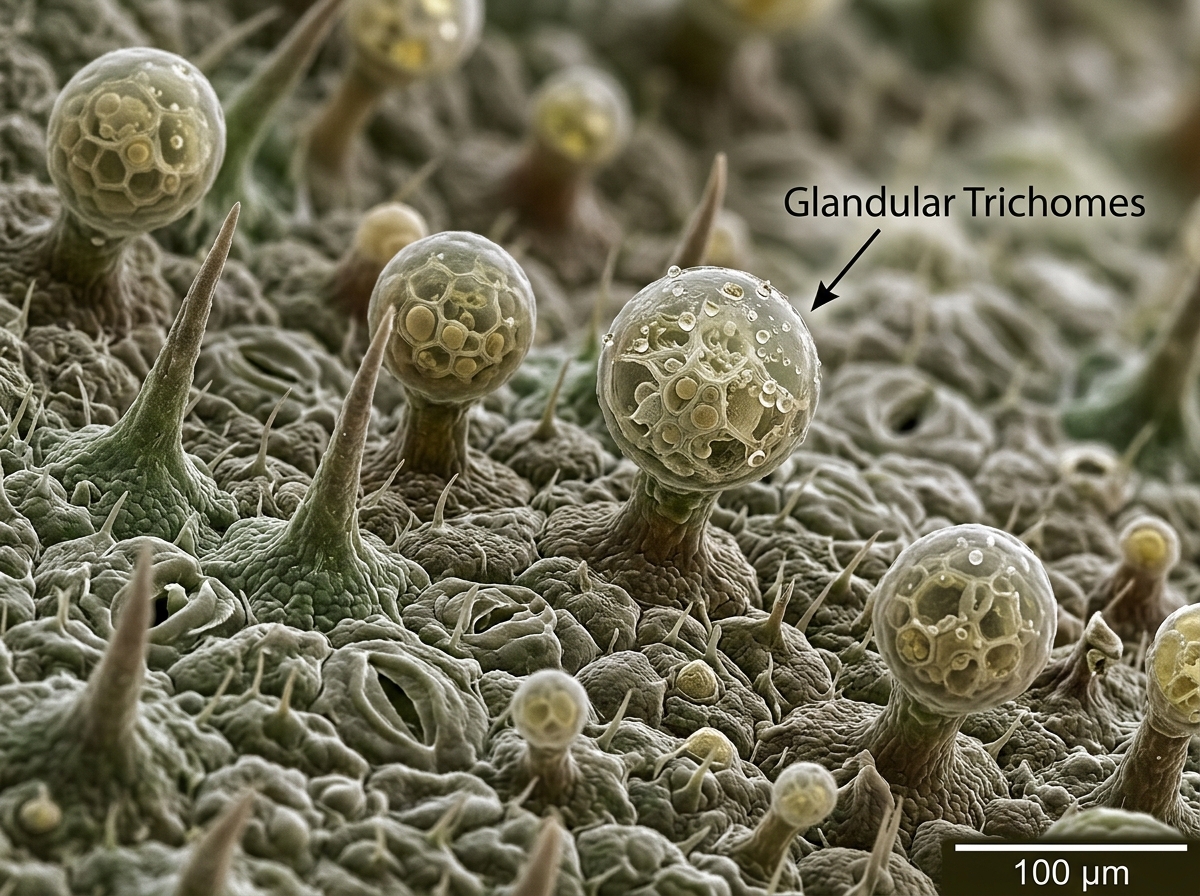
To understand how natural mosquito repellent plants work, we have to look at the “arms race” between plants and insects. Plants don’t produce those lovely scents just for our olfactory pleasure; they are actually sophisticated chemical defense mechanisms. These scents come from volatile organic compounds (VOCs) stored in tiny glandular trichomes on the leaves and stems.
When we talk about “repelling” mosquitoes, we are essentially talking about sensory disruption. Mosquitoes are biological heat-seekers. They use a combination of sensors to find a meal, primarily tracking the carbon dioxide ($CO_2$) we exhale, our body heat, and the specific lactic acid smells in our sweat.
How Natural Mosquito Repellent Plants Work
The essential oils found in these plants—such as nepetalactone in catnip or linalool in lavender—work by masking the scents that attract mosquitoes. Think of it like a “smokescreen” for your nose. When these volatile oils are in the air, they can confuse the mosquito’s receptors, making it much harder for them to locate a human target.
However, it is important to understand that simply having a plant sitting in a pot nearby isn’t always a “force field.” For many of these natural mosquito repellent plants, the fragrance needs to be airborne. This is why Natural pest control for beginners often emphasizes the importance of plant health; a vigorous, healthy herb produces more of these protective oils than a struggling one.
Why Mosquito Control is Vital for Health
We often treat mosquitoes as a mere “summer nuisance,” but they are technically one of the deadliest animals on the planet. They are prolific disease vectors. According to Mosquito-Repellent Plants: Do They Really Work?, mosquitoes transmit viruses such as West Nile, Zika, Eastern Equine Encephalitis, and Dengue.
In the garden, effective mosquito control isn’t just about comfort—it’s about creating a safe environment for your family and pets. By integrating natural mosquito repellent plants into your landscape, you add a biological layer of defense that reduces the need for synthetic chemical sprays, which can sometimes harm the very beneficial insects (like bees and butterflies) we want to protect in our herb gardens.
Top Herbs to Create a Natural Mosquito Repellent Plants Barrier
If you’re looking to build a “no-fly zone,” you need to choose the right recruits. Some plants are far more potent than others.
- Catnip (Nepeta cataria): This is the heavyweight champion. Research from Iowa State University found that nepetalactone, the essential oil in catnip, is roughly ten times more effective at repelling mosquitoes than DEET. While it drives cats crazy, it sends mosquitoes packing.
- Citronella Grass (Cymbopogon nardus): This is the source of the citronella oil used in those famous candles. It’s a large, perennial grass that thrives in warm climates. This is different from the “citronella geranium” often sold in big-box stores.
- Lavender (Lavandula): While we find the scent of lavender relaxing, mosquitoes find it repulsive. It contains linalool, which can actually hinder a mosquito’s ability to smell.
- Rosemary (Salvia rosmarinus): A hardy herb that mosquitoes hate. It’s particularly effective when the oils are released, which we’ll discuss in the “activation” section.
For a comprehensive list of botanical defenders, check out 13 Plants That Repel Mosquitoes and our own guide on the 10 best herbs for pest control to save your garden.
Best Natural Mosquito Repellent Plants for Culinary Gardens
The best part about using herbs for mosquito control is that you can eat your defense strategy!
- Basil: Specifically Lemon Basil and Cinnamon Basil are highly effective. Research suggests that basil emits a scent that mosquitoes find intolerable. Plus, it’s a must-have for any Pest control for herb gardens strategy because it also deters aphids and thrips.
- Peppermint: The high menthol content in mint acts as a natural deterrent. However, be warned: mint is invasive! We always recommend growing it in containers to prevent it from taking over your entire yard.
- Lemon Balm: This member of the mint family contains high levels of citronellal. It’s easy to grow but, like peppermint, should be kept in a pot.
- Sage and Oregano: These Mediterranean staples contain oils like camphor and thymol. They are excellent for planting near seating areas where the sun can warm the leaves and release their scent.
Ornamental Herbs with Repellent Power
You don’t have to sacrifice beauty for functionality. Several flowering plants are excellent natural mosquito repellent plants.
- Marigolds: These contain pyrethrum, a compound used in many organic insecticides. They have a distinct smell that mosquitoes (and many garden pests) avoid.
- Bee Balm (Monarda): Not only does it repel mosquitoes, but it’s also a magnet for pollinators like bees and hummingbirds. It’s one of the few plants that 23 Best Mosquito Repellent Plants to Grow at Home suggests may work simply by growing in the yard.
- Alliums: This family includes garlic, onions, and ornamental flowering chives. The sulfur compounds (allicin) are natural deterrents.
- Scented Geraniums: Specifically those with a lemon or peppermint scent. While they aren’t as potent as citronella grass, they are beautiful additions to patio containers.
Maximizing the Potency of Your Repellent Garden
Simply planting a few herbs in a far corner of your yard won’t do much to stop a mosquito from finding you on your porch. To truly leverage natural mosquito repellent plants, you need a strategy.
Activating Natural Mosquito Repellent Plants
The secret that many gardening centers won’t tell you is that most plants don’t release enough oil to repel mosquitoes just by sitting there. You have to “activate” them.
- Bruising and Crushing: As you walk past your herbs, brush against them or pinch a few leaves. This breaks the oil glands and releases a concentrated burst of fragrance.
- Burning Sprigs: If you’re having a barbecue, toss some dried rosemary or sage onto the grill or into a fire pit. The scented smoke is a highly effective deterrent. According to Growing Citronella Plants & Mosquito Plants, burning dried thyme can deter up to 90% of insects for nearly an hour and a half.
- Topical Application: Some plants, like lemon balm or catnip, can have their leaves crushed and rubbed directly onto the skin. Warning: Always perform a patch test first to ensure you don’t have an allergic reaction to the concentrated oils.
Strategic Garden Design and Placement
Placement is everything. You want to create a “scent barrier” between the mosquitoes and your living areas.
- High-Traffic Zones: Plant your most fragrant herbs right next to entryways, walkways, and seating areas. Every time someone brushes past them, they release a fresh dose of repellent.
- Container Gardening: Use pots for natural mosquito repellent plants so you can move them exactly where you need them. If you’re moving from the patio to the deck, take your “mosquito pots” with you.
- Companion Planting: Integrate these herbs into your vegetable beds. Not only will they help keep you bite-free while you garden, but they also protect your crops. For more on this, see Natural pest control methods for organic gardening.
- Wind Patterns: If you have a consistent breeze, plant your herbs “upwind” of your seating area so the scent is carried toward you.
For a deep dive into design, How to Create a Mosquito Repelling Garden offers fantastic tips on how to structure your landscape for maximum bug-free enjoyment. You might also want to explore Diy organic pesticides for home gardeners for supplemental natural sprays.
Integrated Methods for a Bite-Free Backyard
While natural mosquito repellent plants are a powerful tool, they work best as part of an Integrated Pest Management (IPM) approach. You cannot “plant your way” out of a mosquito problem if you have breeding grounds nearby.
- Eliminate Standing Water: This is the most important step. A female mosquito can lay hundreds of eggs in as little as a spoonful of water. Check gutters, old tires, flower pot saucers, and birdbaths.
- Keep Water Moving: If you have a pond or birdbath, use a “water wiggler” or a fountain. Mosquitoes require stagnant water to lay eggs; they cannot breed in moving water.
- Airflow is Your Friend: Mosquitoes are weak fliers. An oscillating fan on your patio can do wonders. It not only makes it hard for them to fly but also helps disperse the $CO_2$ that attracts them in the first place.
- Gutter Maintenance: Clogged gutters are mosquito hotels. Clean them regularly to ensure water drains away from your home.
- Safety Precautions: When using 8 Herbs That Will Help Keep Mosquitoes Out of Your Yard, “natural” doesn’t always mean “safe for everyone.” Some essential oils can be irritating to children or pets.
For more beginner-friendly tips on managing your outdoor space without chemicals, check out Natural pest control for beginners 2.
Frequently Asked Questions about Natural Mosquito Repellent Plants
Which plant is most effective at repelling mosquitoes?
In terms of raw scientific data, Catnip (Catmint) is often cited as the most effective due to its high concentration of nepetalactone. However, Citronella Grass and Lemongrass are also top-tier choices because of their high oil content. The “best” plant for you often depends on your climate and whether you want a plant you can also use in the kitchen, like Basil or Rosemary.
Do these plants work just by sitting in the garden?
Generally, no. While they provide a slight benefit just by existing, most natural mosquito repellent plants need to have their oils released to be truly effective. Brushing against them, crushing the leaves, or even the heat of a mid-day sun helps volatilize the oils so they can mask your scent.
Are mosquito repellent herbs safe for pets?
Most common herbs like Lavender, Rosemary, and Basil are safe. However, some plants like Tansy or Pennyroyal can be toxic if ingested by dogs or cats. Catnip is obviously safe for cats, but it might make them a little too excited! Always research specific plants if you have curious pets who like to snack on your garden.
Conclusion
At Pontodearte, we believe that your herb garden should be a place of peace, not a battleground. By strategically using natural mosquito repellent plants, you can create an aromatic defense system that protects both your family and your precious aromatic herbs.
Building a “no-fly zone” is a journey toward a more sustainable, chemical-free lifestyle. It combines the beauty of ornamental flowers, the utility of culinary herbs, and the science of natural pest management. Whether you’re planting a border of lavender or keeping a pot of basil on your outdoor dining table, every plant counts.
Ready to transform your garden into a bug-free sanctuary? Explore our organic gardening tips for more expert advice on protecting your aromatic herbs and enjoying a bite-free summer!
