
Why Your Herb Garden Needs a Smarter Pest Solution
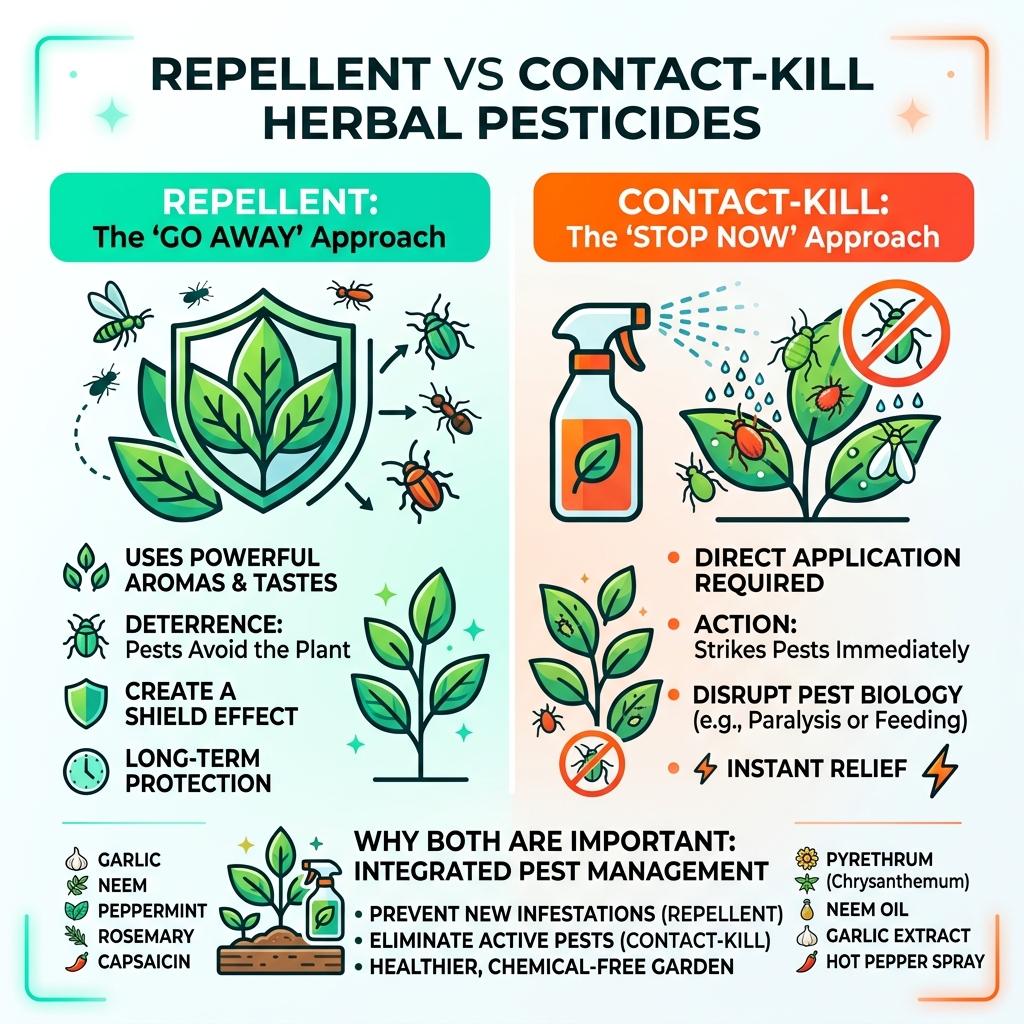
Herbal pesticide for plants is exactly what it sounds like: pest control made from plant-based ingredients like garlic, neem, rosemary, peppermint, and capsaicin — instead of synthetic chemicals.
Here’s a quick overview of the most effective options:
| Herbal Pesticide | How It Works | Best For |
|---|---|---|
| Garlic extract | Repels and kills on contact | Aphids, whiteflies, mites |
| Neem oil | Disrupts feeding and reproduction | Nearly 400 insect species |
| Peppermint oil | Strong aromatic repellent | Ants, aphids, beetles |
| Rosemary | Aromatic deterrent | Cabbage pests, spider mites |
| Pyrethrum (chrysanthemum) | Contact kill by paralysis | Broad-spectrum pests |
| Capsaicin (hot pepper) | Irritant repellent | Caterpillars, beetles, deer |
You put real effort into growing a kitchen herb garden. The smell of fresh basil, the bite of a rosemary sprig, the brightness of mint — it all matters. Then aphids show up and start wrecking everything.
The instinct might be to reach for a spray from the hardware store. But with herbs you’re actually eating, that’s a real problem. Synthetic pesticides can leave residues on your plants and harm the beneficial insects your garden depends on.
The good news? Nature already built some excellent pest defenses — and you can use them. As one well-known statistic in plant science points out, about 99 percent of the chemicals plants produce are naturally occurring. Plants have been fighting off invaders for millions of years using potent compounds like allicin (garlic), azadirachtin (neem), and essential aromatic oils.
This guide walks you through how to make and use herbal pesticides that actually work — without putting your pesto, your pets, or your pollinators at risk.
What is an Herbal Pesticide for Plants and Why Use It?
When we talk about an herbal pesticide for plants, we are referring to botanical extracts derived directly from nature. Unlike synthetic chemical pesticides, which are cooked up in a lab and often persist in the environment for years, herbal versions are biodegradable and break down quickly once they’ve done their job.
The primary difference lies in how they interact with your garden’s ecosystem. Synthetic chemicals are often “broad-spectrum,” meaning they kill everything they touch—the bad bugs, the ladybugs, and the bees alike. Herbal options are generally more selective or work as repellents to discourage pests from moving in. Using Natural Pest Control for Beginners is a great way to start shifting your garden toward a more balanced, low-toxicity environment.
Why make the switch? Here are a few compelling reasons:
- Environmental Safety: Botanical pesticides don’t pollute the watershed or leave long-lasting toxins in your soil.
- Beneficial Insects: Many herbal sprays, when applied correctly, have a lower impact on “good bugs” like parasitic wasps and ladybug larvae (which can eat up to 50 aphids a day!).
- Residue-Free Harvest: You can Learn more about organic insecticidal sprays that allow you to harvest your herbs almost immediately after application.
- Safety for You and Your Pets: Since you are likely growing these herbs near your kitchen or in high-traffic areas, avoiding harsh chemicals keeps your living space safer.
Top Ingredients for a Powerful Herbal Pesticide for Plants
Creating an effective herbal pesticide for plants starts with understanding the “active ingredients” provided by Mother Nature. Some herbs work by smelling so strong that bugs simply stay away, while others contain compounds that physically disrupt an insect’s ability to eat or breathe.
- Neem Oil: Derived from the neem tree, this is a heavy hitter. It contains azadirachtin (usually 3% to 4.5% in concentrated forms), which disrupts the hormonal systems of insects. It is effective against nearly 400 species, including beetles, weevils, and leaf miners.
- Pyrethrum: Extracted from the Tanacetum cinerariifolium (the Dalmatian daisy), this is the strongest insecticide allowed under National Organic Standards. It causes instant paralysis in many flying and crawling insects. However, it is highly toxic to bees, so timing is everything. You can find more details in this Research on pyrethrum safety and toxicity.
- Capsaicin: The heat in chili peppers is an irritant that keeps caterpillars and even larger pests like rabbits away.
- Tomato Leaves: These contain solanine and tomatine, natural alkaloids that are toxic to aphids and various chewing insects.
- Essential Oils: Peppermint, rosemary, and clove oils are packed with aromatic compounds that mask the scent of your plants, making them “invisible” to searching pests.
Using Garlic and Rosemary as an Herbal Pesticide for Plants
In our experience at Pontodearte, garlic and rosemary are the “dynamic duo” for aromatic herb gardens. Garlic contains allicin, a sulfur-based compound that acts as a powerful repellent. It’s so effective that high-potency garlic extracts are used on commercial farms to cover acres of crops. Interestingly, while the scent is strong during application, it usually dissipates within 30 minutes, leaving no garlic taste on your basil or cilantro.
Rosemary works similarly by producing oils that deter cabbage loopers and Mexican bean beetles. When used as Pest Control for Herb Gardens, these botanicals can even be absorbed systemically by the plant. This means the plant’s own tissues become less “tasty” to spider mites and whiteflies, providing a layer of protection from the inside out.
DIY Recipes: How to Make Your Own Natural Sprays
Making your own herbal pesticide for plants is a bit like making a strong tea or a spicy soup. You want to extract the potent oils and chemicals into a liquid form that you can easily spray.

The Garlic-Chili “Hillbilly Breath” Brew
This is a classic multi-purpose repellent that works on everything from aphids to caterpillars.
- Chop 1/2 cup of garlic and 15 small hot peppers (or 1 tbsp dried chili powder).
- Add to 1 liter of water and blend or steep for 24 hours.
- Straining with a nut milk bag or cheesecloth is essential here to prevent your spray nozzle from clogging.
- Add 1 teaspoon of mild liquid soap to help it stick to the leaves.
The Tomato Leaf Tea
Perfect for aphids, this recipe uses the natural toxins found in nightshade plants.
- Pack 1 quart of fresh tomato leaves into a bucket.
- Cover with 1 quart of boiling water and let steep overnight.
- Strain and dilute with another quart of water before spraying. Note: Do not use this on other nightshades like peppers or eggplants to avoid spreading viruses.
If you’re looking for more variety, check out these DIY Organic Pesticides for Home Gardeners for tailored solutions.
Step-by-Step Guide to a Basic Herbal Pesticide for Plants
If you want a simple, “everyday” spray for your herbs, follow this basic essential oil method:
- Select Your Base: Start with 1 quart of distilled water.
- Add an Emulsifier: Add 1/2 teaspoon of liquid Castile soap. This breaks the surface tension of the water so the oils can mix.
- Choose Your Herbs: Add 10-15 drops of rosemary or peppermint essential oil. Alternatively, use a handful of freshly chopped herbs and steep them in warm water for 3 hours.
- Strain Thoroughly: If using fresh herbs, always strain.
- Safety First: We always recommend Using gloves for safety when handling concentrates or hot pepper mixtures.
- Bottle and Label: Use a clean spray bottle and write the date on it. Homemade sprays generally last about 1–2 weeks in the fridge.
Application Tips for Maximum Effectiveness and Safety
Even the best herbal pesticide for plants won’t work if it’s applied incorrectly. Because these are natural products, they require a bit more strategy than synthetic options.
- Timing is Key: Apply your sprays in the early morning (between 7:30 AM and 11:00 AM) or in the evening. This is when plant stomata (breathing pores) are open, allowing for better systemic absorption. It also protects pollinators like bees, which are less active during these times.
- Coverage: Pests love to hide. Ensure you are spraying the underside of herb leaves, as this is where aphids and spider mites often congregate.
- The Patch Test: Always test your new spray on a few leaves first. Wait 24 hours to ensure the plant doesn’t have a bad reaction (phytotoxicity).
- Frequency: Natural sprays break down quickly. For an active infestation, you may need to apply every 3–5 days. For prevention, once every two weeks is usually sufficient.
- Weather Considerations: If rain is in the forecast within 48 hours, wait to spray. Rain will wash away your hard work before it can take effect.
For more advanced techniques, explore these Natural Pest Control Methods for Organic Gardening.
Frequently Asked Questions about Herbal Pest Control
Are herbal pesticides safe for pets and children?
Generally, yes. Most herbal ingredients like garlic, rosemary, and mint are food-grade. However, some essential oils can be irritating to pets if they are concentrated. Always let the spray dry completely before allowing pets or children near the plants. Be particularly careful with hot pepper sprays, as the capsaicin can sting eyes and noses. You can find more safety tips in Natural Pest Control for Beginners 2.
Can I use these sprays on herbs right before harvest?
One of the best things about an herbal pesticide for plants is the short “pre-harvest interval.” Most garlic and soap-based sprays can be used up to the day of harvest. Just give your herbs a good rinse in cool water to remove any soapy residue or lingering garlic scent.
How long do homemade herbal pesticides last?
Because they don’t contain synthetic preservatives, homemade brews have a short shelf life. Most will stay potent for 7 to 14 days if kept in a cool, dark place like the refrigerator. If the mixture starts to smell “off” or shows signs of mold, it’s time to toss it and mix a fresh batch. Small-batch mixing is the best way to ensure potency and safety.
Conclusion
At Pontodearte, we believe that you shouldn’t have to choose between a pest-free garden and a healthy one. Protecting your aromatic herbs is about maintaining an ecosystem balance, not just wiping out every bug in sight. By using an herbal pesticide for plants, you’re working with nature to keep your basil bright and your rosemary robust.
Whether you’re brewing a garlic tea or using a neem-based solution, the goal is sustainable, aromatic protection. If you’re looking to expand your organic gardening skills even further, don’t miss our guide on Natural Weed Control Methods for Your Organic Garden.
Ready to level up your green space? Explore Urban Gardening Solutions and discover more ways to grow a thriving, chemical-free garden today!
