
The Simple Pantry Secret That Keeps Pests Away
Bay leaf natural repellent is one of the most effective, chemical-free ways to keep common household pests out of your pantry, closets, and kitchen — using nothing more than a humble cooking herb.
Quick answer: How to use bay leaves as a natural repellent
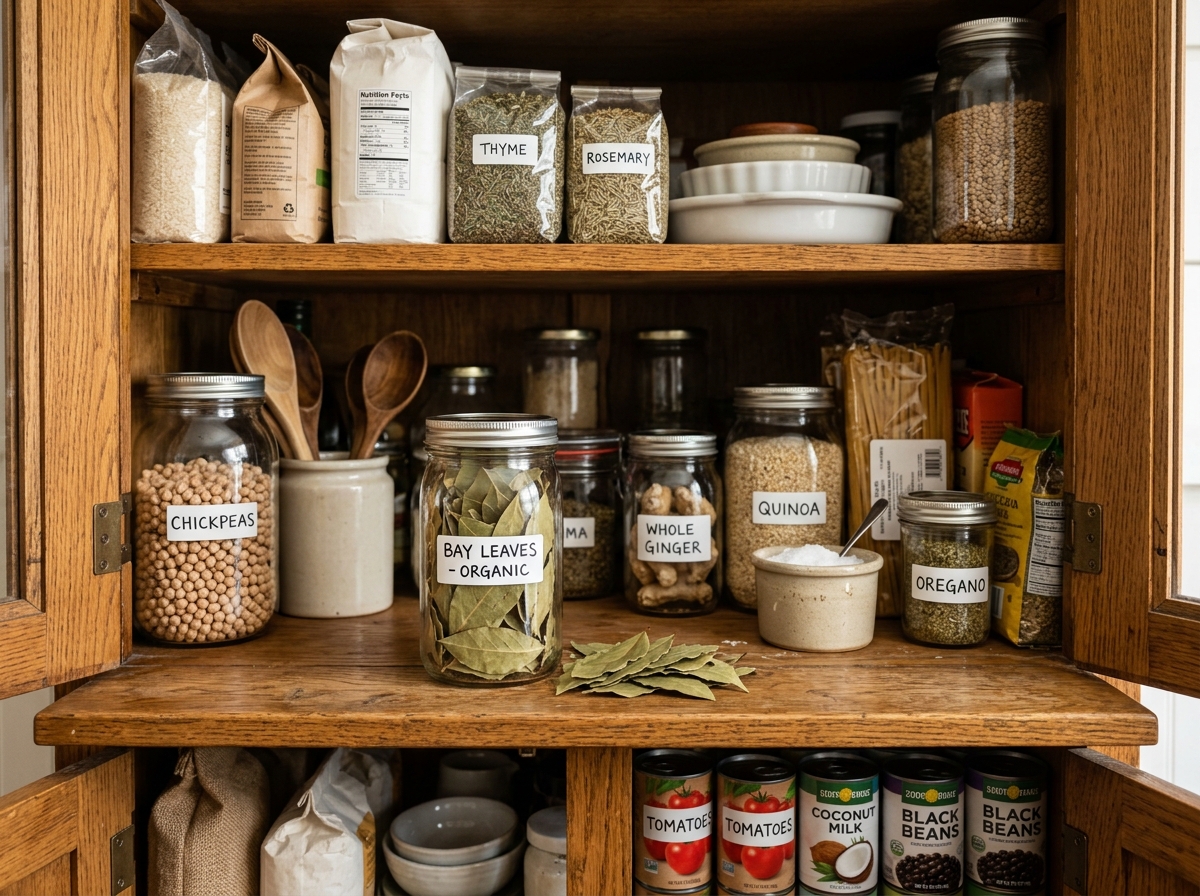
- Place 3-5 whole dried bay leaves on pantry shelves and in cabinet corners
- Drop 1-2 leaves directly into containers of flour, rice, or other dry grains
- Tuck leaves into fabric sachets for closets and drawers
- Place leaves near ant entry points, under sinks, and behind appliances
- Replace leaves every 2-3 months, or sooner if the scent fades
Bay leaves come from the Laurus nobilis tree, native to the Mediterranean. People have used them in cooking for thousands of years. But there’s a second job they’ve been quietly doing all along: keeping insects away.
The secret is in the smell. Bay leaves contain powerful aromatic compounds — including eucalyptol and linalool — that overwhelm and disorient insects. Pests like weevils, moths, cockroaches, ants, and silverfish simply want nothing to do with it.
The best part? These leaves are safe around food, non-toxic, affordable, and already sitting in most kitchen spice racks.
If you grow your own herb garden and want to protect it — and your home — without harsh chemicals, bay leaves are one of the smartest tools you have.

The Science Behind Bay Leaf Natural Repellent
While many people view the use of herbs for pest control as “folk wisdom,” there is significant scientific weight behind the bay leaf natural repellent method. At Ponto de Arte, we believe in understanding the “why” behind organic solutions to better protect our precious aromatic herb gardens.
The primary active compound in bay leaves is eucalyptol, also known scientifically as 1,8-cineole. This compound is a natural insecticide that acts directly on the nervous system of many insects. According to a 2018 study published in the Journal of Applied and Natural Science, researchers extracted oils from crushed bay leaves and found they possessed significant insecticidal potential against common stored-grain pests.
In addition to eucalyptol, bay leaves contain linalool and various terpenes. These compounds serve a dual purpose:
- Sensory Disruption: The intense aroma is overwhelming to insects. It interferes with their ability to detect food sources and communicate with one another.
- Masking Pheromones: Ants, for example, rely on pheromone trails to guide their colony to food. The strong scent of bay leaves “mutes” these chemical signals, making the area invisible to the scouting party.
Further research, such as the study found in the Journal of Stored Products Research, has shown that even crushed bay leaf compounds added to wheat flour can effectively deter insects. This makes them a perfect fit for those exploring Natural Pest Control for Beginners, offering a non-toxic mechanism that keeps your kitchen safe for children and pets.
How to Use Bay Leaves to Protect Your Home
Using bay leaves isn’t just about throwing a few leaves into a stew; it’s a strategic defense for your home. When we look at Natural Pest Control Methods for Organic Gardening, we often see that the same principles apply indoors.
Placement Strategy
To get the most out of your bay leaf natural repellent, you need to put them where the pests hang out. Focus on:
- Corners and Dark Spots: Cockroaches and silverfish love damp, dark corners. Place 3-5 leaves under the sink and behind large appliances like the refrigerator or stove.
- Entry Points: For ants, place leaves on windowsills and near door thresholds.
- Closets and Drawers: Moths are the enemies of wool and linen. Tucking leaves into these spaces creates an invisible shield for your clothes.
Aroma Release and Replacement
A whole leaf is great for long-term protection because it releases oils slowly. However, if you notice a sudden uptick in “uninvited guests,” try crushing the leaves slightly. This snaps the internal structures of the leaf, releasing a fresh burst of eucalyptol.
We recommend a replacement frequency of every 2 to 3 months. In open, breezy areas, the scent may fade faster, so give them a “sniff test” occasionally. If you can’t smell that spicy, camphor-like aroma, the bugs probably can’t either!
Implementing Bay Leaf Natural Repellent in the Pantry
The pantry is where the bay leaf natural repellent truly shines. Weevils, flour beetles, and Indian meal moths are notorious for ruining expensive organic grains.
If you have a Kitchen Windowsill Herb Garden, you likely value fresh, clean ingredients. To keep your dry goods pristine:
- Direct Contact: You can drop a bay leaf directly into your flour, rice, or pasta containers. Don’t worry—the dry leaf won’t significantly change the flavor of your flour unless it sits for a very long time, and even then, it’s a pleasant, subtle addition.
- Shelf Lining: Scatter leaves along the back of your pantry shelves. This prevents pests from migrating from one package to another.
- Airtight Containers: While bay leaves are powerful, they work best as part of a system. Always use airtight glass or BPA-free plastic containers for your grains.
DIY Bay Leaf Natural Repellent Sprays and Sachets
Sometimes you need a more “active” application. This is where DIY Organic Pesticides for Home Gardeners come into play.
The Boiling Method (Repellent Spray):
- Boil a handful of bay leaves in 2 cups of water for about 10–15 minutes.
- Let the “tea” cool completely and strain it.
- Pour into a spray bottle.
- Use this to mist window frames, baseboards, and even patio areas to keep mosquitoes and flies away.
Bay Leaf Sachets: If you don’t want loose leaves floating around your drawers, make small fabric sachets. Use breathable cloth like muslin or even a clean old sock. Fill them with crushed bay leaves and perhaps a few cloves or dried rosemary. These are excellent for linen storage, keeping silverfish away from your sheets and towels without the chemical smell of mothballs.
Comparing Bay Leaves to Other Natural Solutions
When we talk about Organic Herb Gardening Tips, we often compare different botanical deterrents. How does the bay leaf natural repellent stack up against the competition?
| Feature | Bay Leaves | Cedar | Peppermint |
|---|---|---|---|
| Primary Target | Weevils, Roaches, Moths | Moths, Spiders | Ants, Spiders, Mice |
| Cost | Very Low (Kitchen Staple) | Moderate | Moderate (Essential Oil) |
| Longevity | 2-3 Months | 6-12 Months (if sanded) | 1-2 Weeks (needs refresh) |
| Food Safe | Yes (Culinary Grade) | No (Usually treated) | Yes (Food Grade Oil) |
| Scent Intensity | Moderate/Spicy | Woody/Strong | Very Strong/Minty |
Fresh vs. Dried Leaves: Fresh bay leaves are significantly more potent because they still contain all their moisture and volatile oils. However, they can mold if placed in a sealed container with dry grains. For pantry use, dried leaves are superior. For outdoor use or making sprays, fresh leaves from your own bay laurel shrub provide the highest concentration of eucalyptol.
Safety and Limitations of Herbal Pest Control
At Ponto de Arte, we focus on Pest Control for Herb Gardens, and we know that even natural solutions have rules.
- Choking Hazards: Whole dried bay leaves are brittle and sharp. Keep them out of reach of small children and pets who might try to eat them.
- Pet Safety: While a leaf in the pantry is generally fine, bay leaves can be toxic to dogs and cats if consumed in large quantities. Always use sachets to keep them contained.
- Skin Sensitivity: Some people may experience mild irritation from the concentrated oils. If you’re using a DIY spray, do a small patch test first.
- Severe Infestations: It is important to be realistic. A bay leaf natural repellent is a fantastic preventative measure. If you already have thousands of cockroaches or a massive ant colony inside your walls, bay leaves will not solve the problem. In these cases, professional intervention is necessary to clear the infestation before you start your bay leaf maintenance routine.
Frequently Asked Questions about Bay Leaf Repellents
Do bay leaves affect the taste of stored food?
This is the most common concern for home cooks. Generally, a dry bay leaf in a large container of rice or flour will not transfer its flavor. The leaves are dry and the oils are released slowly. If you are worried about very delicate items, you can tape the leaf to the inside of the lid rather than dropping it into the food. This keeps the aroma in the container without direct contact.
How often should I replace the leaves?
For maximum potency, replace them every 2 to 3 months. If you live in a very humid environment, check them monthly to ensure they haven’t become damp or lost their scent. A quick way to refresh a leaf is to snap it in half—if you still smell that signature spicy scent, it’s still working!
Can bay leaves repel spiders and mice?
While bay leaves are most famous for stopping insects, many people find them effective against mice as well. Mice have incredibly sensitive noses, and the pungent smell of crushed bay leaves can deter them from nesting in certain cabinets. As for spiders, while the evidence is more anecdotal, the scent of eucalyptol is generally disliked by most arachnids.
Conclusion
Embracing the power of bay leaf natural repellent is a small but significant step toward a more sustainable, eco-friendly home. At Ponto de Arte, we specialize in protecting the very plants that give us these natural solutions. Our focus on protecting aromatic herb gardens from pests ensures that you can grow your own “secret weapons” right at home.
Whether you are tucking a leaf into your flour bin or misting your windowsills with a homemade spray, you are using ancient Mediterranean wisdom to solve a modern problem. It’s effective, it’s affordable, and it smells a whole lot better than chemical sprays!
To learn more about the incredible world of herbs and how to use them in every corner of your life, Discover more about spices on our blog. Let’s keep our homes—and our gardens—healthy, aromatic, and pest-free together.
