
When Caterpillars Attack Your Herb Garden (And How to Fight Back Naturally)
Caterpillar killer homemade solutions are the fastest, safest way to protect your garden without reaching for harsh chemicals. Here are the most effective options:
- Garlic and chili pepper spray – repels and kills on contact
- Neem oil and dish soap solution – disrupts growth and suffocates larvae
- Molasses and water spray – suffocates caterpillars and deters moths
- Insecticidal soap spray – breaks down the caterpillar’s outer layer
- Vinegar and water spray – kills on direct contact (use diluted)
One day your herb garden looks lush and full. The next, the leaves are riddled with holes. Sound familiar?
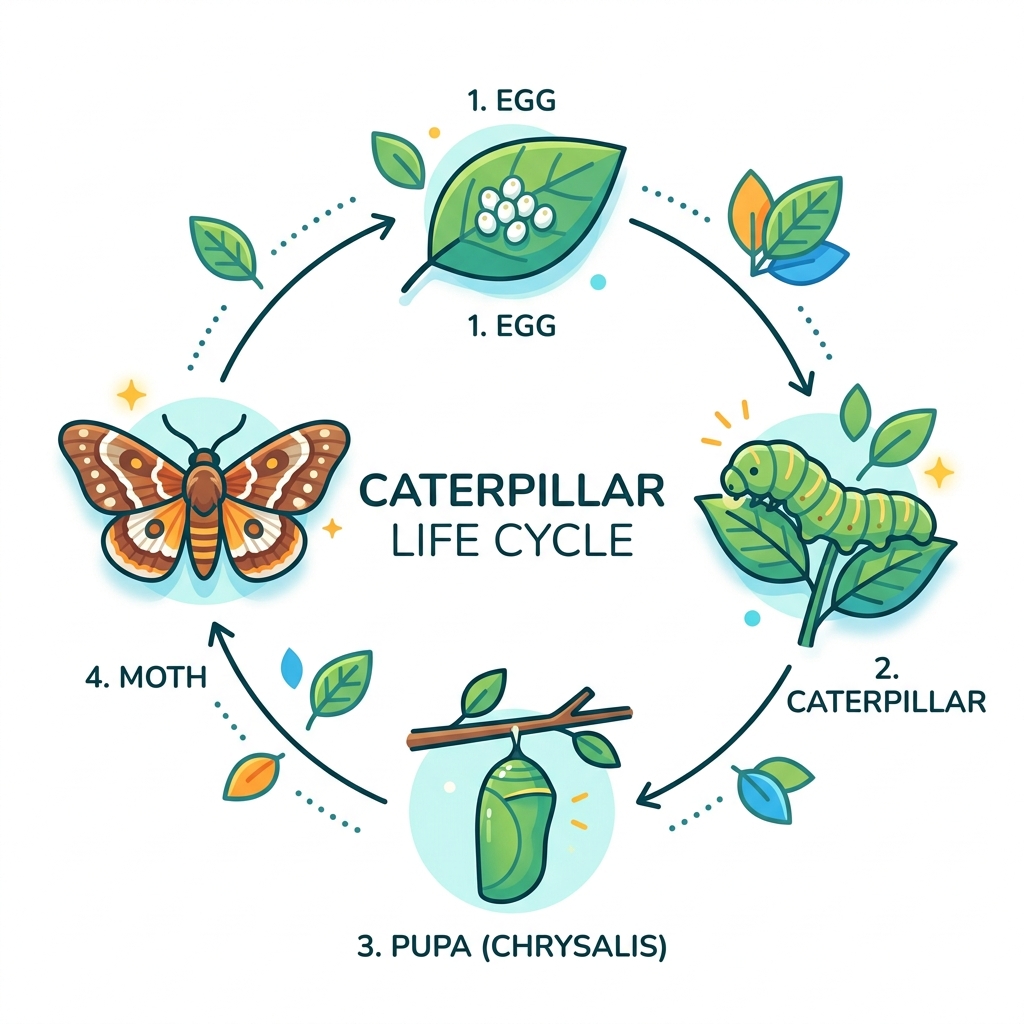
Caterpillars are the larvae of moths and butterflies. They hatch from eggs laid directly on your plants — and they eat almost immediately. A single infestation can devastate a herb garden in just a few days. In fact, some caterpillar species can nearly destroy a plant in under five days.
The good news? You don’t need toxic chemicals to stop them.
Most homemade caterpillar killers use simple ingredients already in your kitchen — garlic, dish soap, chili peppers, vinegar, or molasses. They’re safer for your herbs, your family, your pets, and the beneficial insects that help your garden thrive.
This guide walks you through the best DIY recipes, how they work, and exactly how to use them.
Identifying the Signs of a Caterpillar Infestation
Before we mix up our first batch of caterpillar killer homemade spray, we need to know exactly what we’re looking for. Caterpillars are masters of disguise, often blending in perfectly with the green stems of your mint or the feathery leaves of your dill.
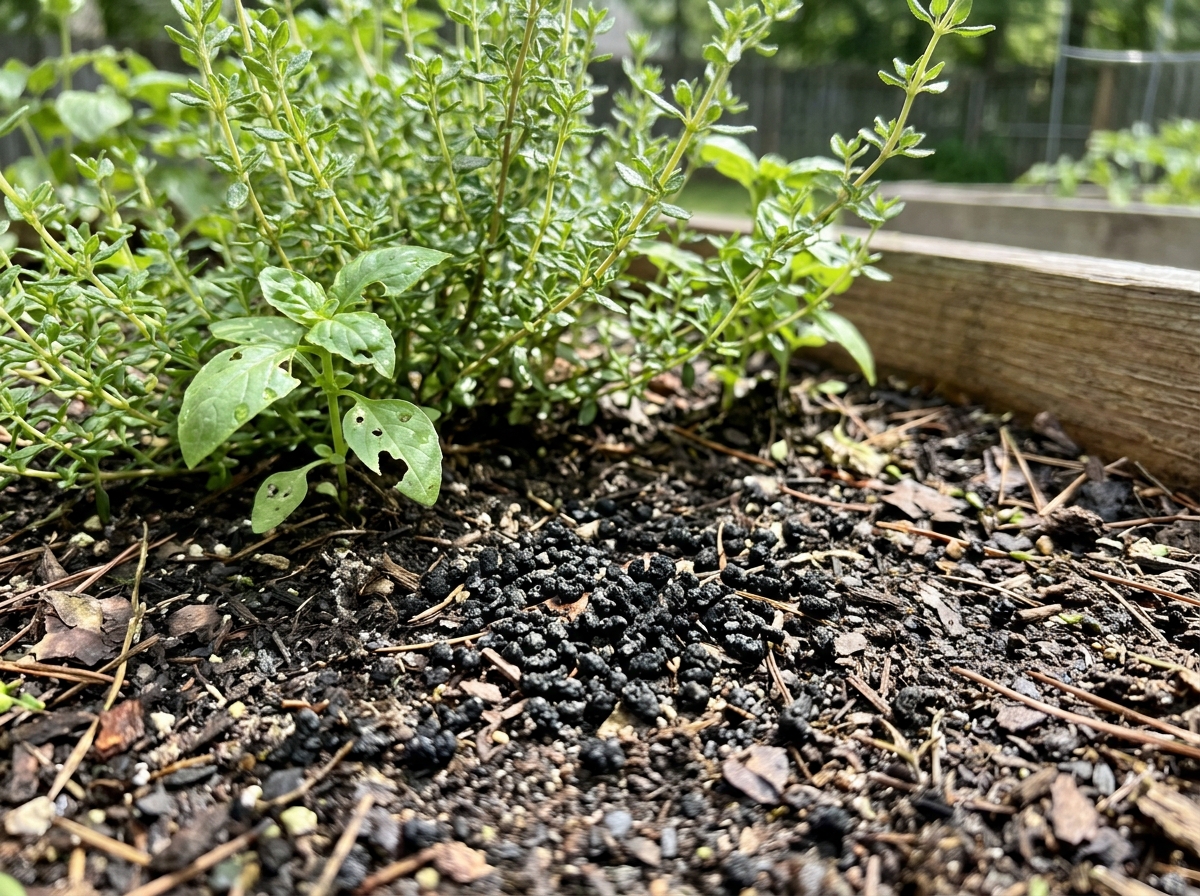
The first sign isn’t usually the bug itself, but the “frass.” Frass is the technical (and slightly more polite) term for caterpillar poop. It looks like tiny black pepper-like grains scattered on the leaves or the soil beneath your plants. If you see these little black specks, look up—there is almost certainly a hungry larva directly above them.
Another dead giveaway is “skeletonized” leaves. This happens when a caterpillar eats the soft tissue of a leaf but leaves the veins intact. You might also find webbing, which is common with species like tent caterpillars or the notorious box tree caterpillar. These webs act as a protective “tent” for the larvae, making it harder for birds or even some sprays to reach them. Finally, keep an eye out for egg clusters on the undersides of leaves. Identifying these early is the key to identifying the little black bugs eating your herbs before they turn into a full-blown army.
Common Garden Pests and the Need for a Caterpillar Killer Homemade
Not all caterpillars are created equal, but in an herb garden, almost all of them are unwelcome guests. Some of the most common offenders we deal with include:
- Cabbage Whites: These small green caterpillars love kale, arugula, and other brassicas.
- Tomato Hornworms: Massive, bright green giants that can strip a tomato plant (and nearby basil) overnight.
- Armyworms: Known for traveling in large groups and “marching” through gardens.
- Box Tree Moths: An invasive species that can destroy boxwood hedges in a matter of days.
While we love butterflies, the larval stage is a destructive phase of metamorphosis. Because we often eat the herbs we grow, using a caterpillar killer homemade solution is much safer than synthetic pesticides. If you’re new to this, checking out a guide on natural pest control for beginners is a great place to start your organic journey.
Top 5 Caterpillar Killer Homemade Recipes
When it comes to DIY remedies, variety is your best friend. Some caterpillars are deterred by smell, while others need a solution that physically stops them from feeding.
| Spray Type | Main Ingredients | Target Pests | Application Frequency |
|---|---|---|---|
| Garlic & Chili | Fresh garlic, hot peppers | Most soft-bodied larvae | Every 3-5 days |
| Neem & Soap | Neem oil, Castile soap | Hornworms, Cabbage worms | Once a week |
| Molasses | Molasses, warm water | Leaf-eaters, Grasshoppers | After rain or watering |
| Vinegar | White vinegar, water | Spot treatment (direct hit) | As needed |
| Soap Flakes | Mild soap, water | General caterpillars | Every 2-3 days |
For more detailed mixtures, you can explore these homemade mixtures to get rid of caterpillars.
The Classic Garlic and Chili Pepper Spray
This is the “nuclear option” of the organic world. It works through two powerful components: Capsaicin (from peppers) and Allicin (from garlic). These ingredients don’t just smell bad to caterpillars; they act as a potent repellent and a mild insecticide.
How to make it:
- Chop up 1/2 cup of hot peppers (like habaneros or cayenne) and 6-8 cloves of garlic.
- Blend them with 2 cups of water.
- Let the mixture “ferment” or steep in the sun for 24 to 48 hours. This intensifies the Allicin and Capsaicin.
- Strain the liquid through a coffee filter or cheesecloth (crucial so you don’t clog your spray bottle!).
- Add a teaspoon of dish soap to help it stick to the leaves.
- Spray your herbs thoroughly, especially the undersides.
Safety tip: Wear gloves when chopping those peppers! You don’t want to accidentally rub your eyes after making this caterpillar killer homemade batch.
Neem Oil and Castile Soap Solution
Neem oil is a botanical extract from the seeds of the Neem tree. It contains Azadirachtin, which acts as an insect growth regulator. Instead of killing the caterpillar instantly, it messes with their hormones, preventing them from molting and maturing. Eventually, they stop eating and die.
To make an effective spray, you must emulsify the oil. Since oil and water don’t mix, adding a bit of Castile soap breaks down the oil so it can be distributed evenly in the water. This is a staple in natural-pest-control-methods-for-organic-gardening.
The Recipe:
- 1 teaspoon organic Neem oil
- 1/2 teaspoon liquid Castile soap
- 1 quart of warm water
Mix and spray immediately. Neem oil loses its potency quickly once mixed with water, so only make what you need for one session.
Molasses and Vinegar Caterpillar Killer Homemade
It sounds like a strange salad dressing, but molasses and vinegar are surprisingly effective. Molasses works by creating a sticky coating that can suffocate small larvae and makes the leaves taste “off” to many pests. Vinegar, on the other hand, contains acetic acid which can kill caterpillars on contact by disrupting their pH balance.
However, be careful with vinegar! It is also a natural herbicide. If you use too much, you might kill your basil along with the bugs. Always stick to a 1:3 ratio (one part vinegar to three parts water) and add a little soap to help it stick. For more DIY ideas, check out diy-organic-pesticides-for-home-gardeners.
Biological and Physical Control Methods
Sometimes the best caterpillar killer homemade strategy isn’t a spray at all—it’s a more “hands-on” approach.
Hand-picking is the most direct method. If you aren’t squeamish, grabbing caterpillars and dropping them into a bucket of soapy water is 100% effective. For those who find caterpillars a bit “creepy,” we suggest wearing garden gloves. As one gardener noted, the thought of touching them might “scare the bejeezus out of you,” but the satisfaction of saving your plants is worth it!
Water Pressure is another underrated tool. A strong blast from a garden hose can dislodge caterpillars and wash away their eggs and webbing. This is particularly effective for box tree caterpillars that hide behind thick silk. Just be careful not to damage delicate herbs like cilantro with too much pressure.
If the infestation is out of control, many organic gardeners turn to Bacillus thuringiensis (Bt). While you buy it rather than “make” it, it is a naturally occurring soil bacteria. When caterpillars eat leaves treated with Bt, the bacteria paralyzes their digestive tract. They stop eating within hours and die within a few days. It’s widely considered one of the safest and best homemade caterpillar killers because it specifically targets caterpillars and doesn’t harm bees, birds, or humans.
Attracting Natural Predators to the Garden
In a balanced ecosystem, you shouldn’t have to do all the work. Nature has its own “caterpillar killers.”
- Birds: Chickadees, wrens, and sparrows are caterpillar-hunting machines, especially when they have young to feed.
- Parasitic Wasps: Don’t worry, these don’t sting humans! They lay their eggs inside caterpillars, and the wasp larvae consume the pest from the inside out.
- Beneficial Insects: Lacewings and ladybugs will often snack on small, newly hatched caterpillars.
You can encourage these helpers by planting 10-best-herbs-for-pest-control-to-save-your-garden, which provide nectar for adult wasps and cover for birds.
Physical Barriers and Prevention
Prevention is always better than a cure. If the moths can’t lay their eggs on your plants, you’ll never have a caterpillar problem.
Row Covers and Netting are incredibly effective for vegetable and herb patches. Using a fine mesh or porous netting allows sunlight and water in but keeps the “moms” (moths and butterflies) out. You can learn more about this in our guide on netting-your-way-to-flea-beetle-freedom.
Another simple trick? Reduce night lighting. Many moths are attracted to garden lights. By turning them off or using motion sensors, you reduce the number of moths hanging around your herbs at night looking for a place to lay eggs.
Safety Precautions for Your Herb Garden
When using any caterpillar killer homemade spray, we have to remember that “natural” doesn’t always mean “harmless.” Even organic sprays can cause phytotoxicity—essentially, a chemical burn on the plant’s leaves.
Application Timing is everything. Never spray your herbs in the heat of the midday sun. The liquid droplets can act like tiny magnifying glasses, scorching the leaves. The best time to spray is in the early evening. This gives the solution time to work while the caterpillars are most active (many feed at night) and prevents the spray from evaporating too quickly.
Furthermore, we must protect our pollinators. Even organic sprays like Neem or soap can harm bees if sprayed directly on them. Always spray when bees are less active (early morning or dusk) and avoid spraying flowers directly. For specialized advice on delicate plants, see our guide on pest-control-for-herb-gardens.
Testing for Plant Sensitivity
Before you douse your entire rosemary bush or mint patch, perform a spot test.
- Apply your homemade solution to one or two leaves.
- Wait 24 to 48 hours.
- Check for signs of leaf burn, yellowing, or wilting.
If the leaf looks healthy, go ahead with the full application. If it looks damaged, you may need to increase your dilution ratio (add more water). This step is a core part of natural-pest-control-for-beginners-2.
Frequently Asked Questions about Natural Caterpillar Control
Is homemade caterpillar killer safe for pets and humans?
Generally, yes! Recipes using garlic, peppers, and molasses use food-grade components. However, “natural” irritants like chili pepper can still cause skin or eye irritation for pets and kids. Always store your sprays out of reach and wash your herbs thoroughly before eating them.
How often should I reapply these natural sprays?
Most caterpillar killer homemade sprays lack the “staying power” of synthetic chemicals. You should reapply every 3 to 5 days, or immediately after a heavy rain or overhead watering. If you have a severe infestation, you might need to spray every two days until the population drops. For more on managing persistent pests, check out how to stop-the-sap-suckers-a-guide-to-aphid-free-herbs.
Will these sprays affect the taste of my aromatic herbs?
If you spray garlic or chili on your mint right before harvest, yes, you might notice a “spicy” mojito! We recommend a “harvest interval” of at least 48 hours after spraying. Always give your herbs a vigorous rinse in cold water before use. Interestingly, some research suggests that coffee ground sprays or molasses don’t affect the internal flavor of the herb as much as they do the surface.
Conclusion
Managing a garden doesn’t have to be a battle against nature. By using an Integrated Pest Management (IPM) approach, we can protect our precious aromatic herbs while keeping the ecosystem healthy. Whether you choose a spicy garlic spray, a soapy Neem solution, or simply spend a few minutes hand-picking, you are taking a stand for organic gardening.
At Ponto de Arte, we believe that a biodiverse garden is a resilient garden. By moving away from toxic chemicals and toward these DIY solutions, you’re not just killing pests—you’re building a healthier environment for your plants and your family.
Ready to level up your garden? Discover more organic gardening tips and keep your herbs thriving all season long!
