
Why the Best Plants to Repel Mosquitoes and Flies Belong in Every Garden
The best plants to repel mosquitoes and flies include lavender, citronella grass, catnip, rosemary, basil, peppermint, marigolds, garlic, sage, and lemon balm.
Quick answer — top 10 repellent plants:
- Lavender – repels mosquitoes with linalool-rich essential oils
- Citronella Grass – the source of citronella oil used in sprays and candles
- Catnip – contains nepetalactone, shown to outperform DEET in lab studies
- Rosemary – releases camphor and verbenone oils that deter insects
- Basil – produces carvacrol oil that confuses mosquitoes and flies
- Peppermint – strong menthol scent overwhelms insect senses
- Marigolds – contain pyrethrin and limonene, natural insect deterrents
- Garlic – sulfur compounds mask human scent from pests
- Sage – camphor-rich oils repel insects, especially when burned
- Lemon Balm – citronella-scented leaves confuse and deter mosquitoes
If you love growing herbs outdoors, you already know the frustration. You put time and care into building a beautiful, fragrant garden — and then the mosquitoes and flies move in.
It’s not just annoying. Mosquitoes can detect the carbon dioxide in your breath from up to 150 feet away, making any outdoor space fair game. And beyond the itchy bites, they carry serious diseases like West Nile virus and Zika virus.
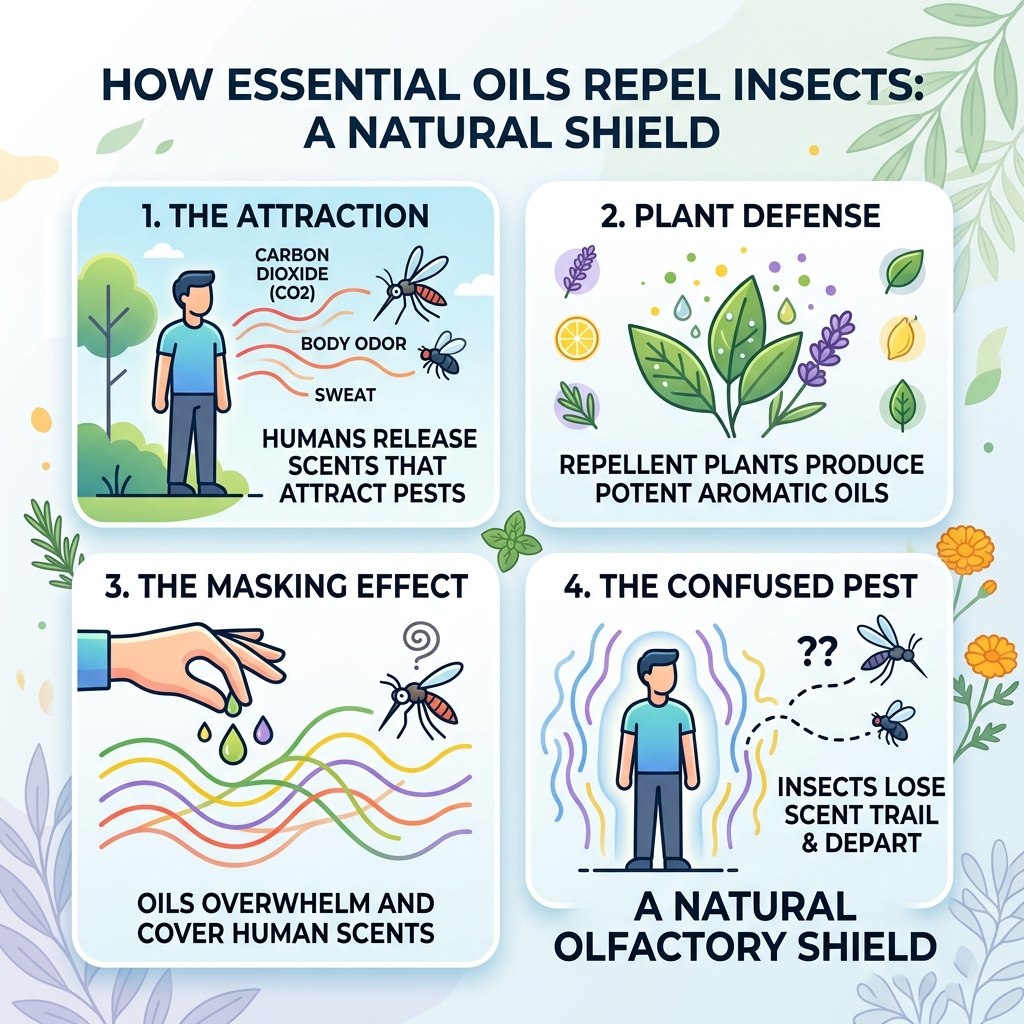
The good news? Your herb garden may already be part of the solution. Many aromatic plants naturally produce essential oils that insects hate. These oils can mask the scents that attract mosquitoes and flies in the first place — giving you a chemical-free layer of protection right in your garden beds.
Top 10 Best Plants to Repel Mosquitoes and Flies
When we look for the best plants to repel mosquitoes and flies, we aren’t just looking for greenery; we are looking for botanical powerhouses. These plants have evolved complex chemical defenses to keep bugs from eating them, and we can use those same defenses to protect our patios.
1. Lavender
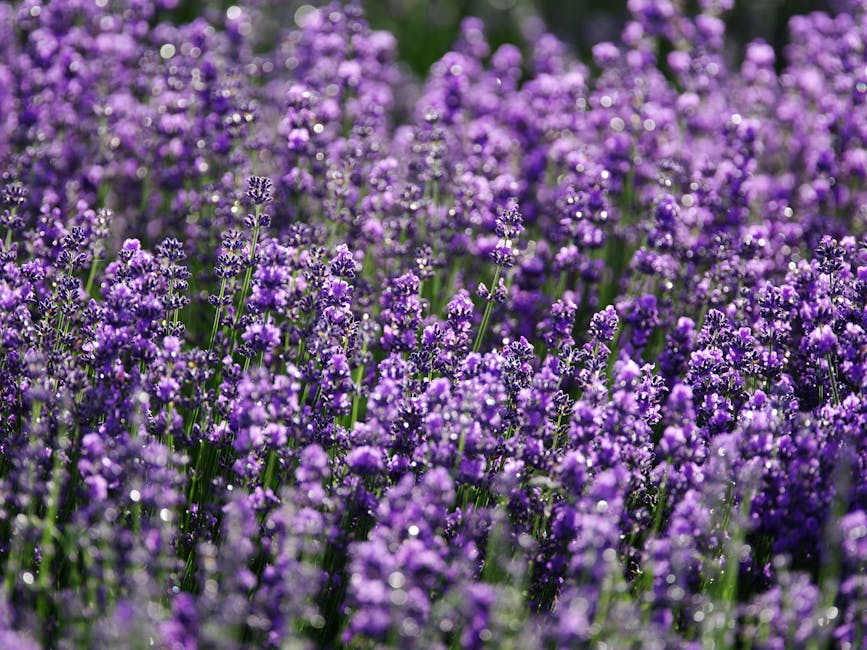
Lavender is a favorite for many of us because of its relaxing scent and beautiful purple flowers. However, mosquitoes find it absolutely repulsive. The plant contains high concentrations of linalool and eucalyptol. Interestingly, while we find the smell soothing, it actually hinders a mosquito’s ability to smell its targets. It is a hardy, drought-tolerant choice that thrives in the heat of summer.
2. Citronella Grass
Don’t confuse this with the “citronella geranium” often sold in big-box stores. True Citronella Grass (Cymbopogon nardus) is a large clumping grass that can grow up to 6 feet tall. It is the primary source of the citronella oil used in those famous torches and candles. It is far more effective as a live plant than the processed versions, provided you have the space for its robust growth.
3. Catnip (and Catmint)
If you have a cat, you know they go wild for this plant. If you’re a mosquito, you run the other direction. Scientific research on catnip and nepetalactone has revealed something shocking: nepetalactone, the essential oil in catnip, was found to be roughly ten times more effective than DEET at repelling mosquitoes in certain laboratory trials. It’s a fast, aggressive grower that produces pretty lavender-colored flowers.
4. Rosemary
Rosemary is a staple in our herb gardens, but its woody scent is a major deterrent for flies and mosquitoes. It contains camphor, verbenone, and terpine oils. One of our favorite tricks is to toss a few sprigs of rosemary onto the grill during a cookout. The aromatic smoke acts as a natural “no-fly zone” for the immediate area.
5. Basil
Basil is one of the few plants that provides a double whammy: it repels both mosquitoes and houseflies. It produces carvacrol oil, which is toxic to mosquito larvae and overwhelming to adult flies. For those of us focused on natural pest control for beginners, basil is a perfect entry point because it’s easy to grow in pots right on your kitchen windowsill or patio table.
6. Peppermint
Peppermint has such a potent, sharp scent that most insects simply won’t go near it. The menthol content acts as a natural irritant to mosquitoes. Beyond just repelling them, peppermint oil can even be used to kill mosquito larvae. Just be careful—mint is a “garden bully” and will take over your entire yard if you don’t keep it in a container!
7. Marigolds
These bright, cheery flowers are more than just ornamental. Marigolds contain pyrethrin, a compound used in many commercial insect repellents. They also emit limonene, which confuses many flying insects. They are fantastic “border plants” to place around the edges of your vegetable or herb garden to keep pests at bay.
8. Garlic
Garlic keeps more than just vampires away. The sulfur compounds in garlic are highly effective at confusing a mosquito’s sense of smell. While some people swear by eating it, simply having the plants in your garden helps mask the carbon dioxide and skin odors that mosquitoes use to track you down.
9. Sage
Like rosemary, sage is rich in camphor. It is a wonderful perennial that survives many seasons. If you’re sitting around a fire pit in the evening, throwing a few dried sage leaves into the flames creates a scented smoke that is very effective at keeping the “night crew” of mosquitoes away from your seating area.
10. Lemon Balm
Lemon balm contains high levels of citronellal, which gives it that signature lemony scent. It is a member of the mint family, meaning it is very hardy and grows quickly. It’s excellent for masking human scents, but like peppermint, it should be grown in pots to prevent it from escaping into your lawn.
Why Aromatic Herbs are the Best Plants to Repel Mosquitoes and Flies
You might wonder why these specific plants work so well. It all comes down to chemistry. Plants don’t have hands to swat away bugs, so they produce “volatile organic compounds” (essential oils) to do the job for them.
Compounds like linalool (found in lavender) and geraniol (found in geraniums and lemongrass) interact directly with the scent receptors of mosquitoes and flies. Insects rely on their sense of smell to find food and breeding grounds; when they encounter these heavy, aromatic oils, it’s like a human walking into a room filled with thick, blinding fog. They can’t “see” us through the scent.
According to scientific insights on plant-based repellents, these oils are most effective when the plant is healthy and the leaves are slightly disturbed. At Ponto de Arte, we specialize in pest control for herb gardens, and we’ve found that the more aromatic the herb, the better the protection. Sulfur compounds in plants like garlic and alliums further complicate the “smell landscape” for pests, making your garden a much less attractive target.
Strategic Placement of the Best Plants to Repel Mosquitoes and Flies
Simply having these plants somewhere in your yard isn’t enough. You have to be strategic. Mosquitoes aren’t afraid of a plant that is 50 feet away; they are deterred by the scent barrier created in their immediate flight path.
- Entryways and Windowsills: Place pots of basil or lemon balm near your doors and on windowsills. This creates a “scent curtain” that discourages flies and mosquitoes from hitching a ride inside when you open the door.
- Seating Areas: Surround your patio or deck with “clusters” of repellent plants. Use a mix of heights—tall citronella grass in the back, mid-sized lavender in the middle, and low-growing marigolds in the front.
- The “Crush and Rub” Method: Most of these plants don’t release their full repellent power just by sitting there. You need to release the oils. Occasionally pinch a leaf, crush it between your fingers, or brush against the plants as you walk by. This releases a burst of essential oils into the air.
- Container Gardening: For aggressive spreaders like mint, lemon balm, and catnip, always use containers. This allows you to move the “protection” to wherever you happen to be sitting that evening.
Optimal Growing Conditions for Insect-Deterring Gardens
To get the most repellent “bang for your buck,” your plants need to be thriving. A stressed plant produces fewer essential oils. Most of the best plants to repel mosquitoes and flies share similar needs:
| Plant | Sun Requirement | Soil Type | Best For |
|---|---|---|---|
| Lavender | Full Sun | Well-drained / Sandy | Walkways & Borders |
| Basil | Full Sun | Rich / Moist | Patios & Kitchens |
| Rosemary | Full Sun | Well-drained | Near Grills & Fire Pits |
| Mint | Partial to Full Sun | Moist | Containers Only |
| Citronella Grass | Full Sun | Loamy / Moist | Large Garden Corners |
| Marigolds | Full Sun | Any / Well-drained | Flower Beds |
Most of these herbs thrive in Full Sun (at least 6 to 8 hours a day). Sunlight is the fuel that allows the plant to produce those precious oils. Well-drained soil is also a must; lavender and rosemary, in particular, will suffer from “wet feet” and root rot if they sit in soggy dirt.
We recommend using natural pest control methods for organic gardening to keep these plants healthy. Avoid heavy chemical fertilizers, which can sometimes cause a plant to grow quickly but with a lower concentration of essential oils. Instead, use organic compost to feed the soil.
Important Considerations: Invasiveness and Safety
While we love these plants, some come with “fine print” that every gardener should know.
Invasiveness: Mint, lemon balm, and catnip are part of the mint family. They spread via underground runners and can take over a garden bed in a single season. We always suggest keeping these in pots. Catnip can also grow quite large (up to 3-5 feet), so give it plenty of room.
Safety and Toxicity:
- Pets: While catnip is a joy for felines, some other plants can be problematic. Large amounts of garlic or onions (alliums) can be toxic to dogs and cats if ingested. Always monitor your pets around new garden additions.
- Essential Oil Sensitivity: If you choose to rub crushed leaves on your skin, always do a “patch test” first. Some people are sensitive to the concentrated oils in plants like lemon thyme or peppermint.
- Pollinators: One of the best things about lavender and catmint is that while they repel “bad” bugs, they are magnets for “good” bugs like bees and butterflies.
For more tips on keeping your garden safe and organic, check out our guide on DIY organic pesticides for home gardeners.
Beyond Planting: A Comprehensive Pest Control Strategy
As much as we love the best plants to repel mosquitoes and flies, they work best as part of a larger team. Think of your plants as your front-line scouts, but you still need a full defense plan.
- Eliminate Standing Water: This is the most important rule of mosquito control. A mosquito can lay hundreds of eggs in as little as a spoonful of water. Check your gutters, flower pot saucers, and old tires.
- Keep Water Moving: If you have a birdbath or a small pond, install a fountain or an agitator. Mosquitoes need stagnant water to breed; they cannot lay eggs in moving water.
- Use Wind to Your Advantage: Mosquitoes are very weak fliers. On a still night, a simple oscillating fan on your patio can do wonders. It physically blows them away and disperses the carbon dioxide you’re exhaling.
- Natural Larvicides: For areas where you can’t drain the water (like a rain barrel), use “mosquito rings” or dunks. These contain a natural bacterium that kills mosquito larvae but is safe for birds, fish, and pets.
Frequently Asked Questions about Mosquito-Repelling Plants
Do these plants work as effectively as DEET?
In a live garden setting, plants provide a “zone of discouragement” rather than a 100% barrier. While catnip oil (nepetalactone) has outperformed DEET in lab tests, a single plant in your yard won’t provide the same concentrated protection as a spray. However, they are a fantastic, chemical-free way to reduce the overall population of pests in your immediate vicinity.
Can I rub these plant leaves directly on my skin?
Yes, for many of these plants, rubbing the crushed leaves on your skin is the most effective way to use them. Lemongrass, lemon balm, and basil are popular for this. However, always test a small area of skin first to ensure you don’t have an allergic reaction to the plant’s oils.
Which repellent plants are safest for households with dogs?
Basil, rosemary, and lemon balm are generally considered safe around dogs. Be cautious with catnip (which can make some dogs overly excited) and avoid letting your dog ingest large quantities of garlic or alliums.
Conclusion
At Ponto de Arte, we believe that your garden should be a sanctuary, not a buffet for pests. By choosing the best plants to repel mosquitoes and flies, you are taking a proactive, natural step toward a more comfortable outdoor life. Whether it’s the soothing scent of lavender or the culinary versatility of basil, these plants work overtime to protect your aromatic herb garden.
Ready to take your gardening to the next level? Explore our Urban Gardening Guide for more tips on growing a lush, pest-free paradise right in your own backyard. Happy planting, and enjoy those bite-free summer evenings!
