
Tiny Bugs, Big Problem: What to Do When Aphids Attack Your Herbs
Safe herb aphid spray is the go-to solution when you spot clusters of tiny insects on your basil, mint, or lemon balm. Here’s a quick answer if you need it fast:
How to make a safe herb aphid spray:
- Mix 1 tablespoon of pure castile soap with 1 quart of water
- Optional: add 20-30 drops of peppermint essential oil
- Shake well and spray directly onto aphids, covering tops and undersides of leaves
- Reapply every 4-7 days until aphids are gone
- Rinse herbs with clean water before harvesting
One day your herb garden looks lush and healthy. The next, the leaves are curling, turning yellow, and covered in a sticky film. Sound familiar?
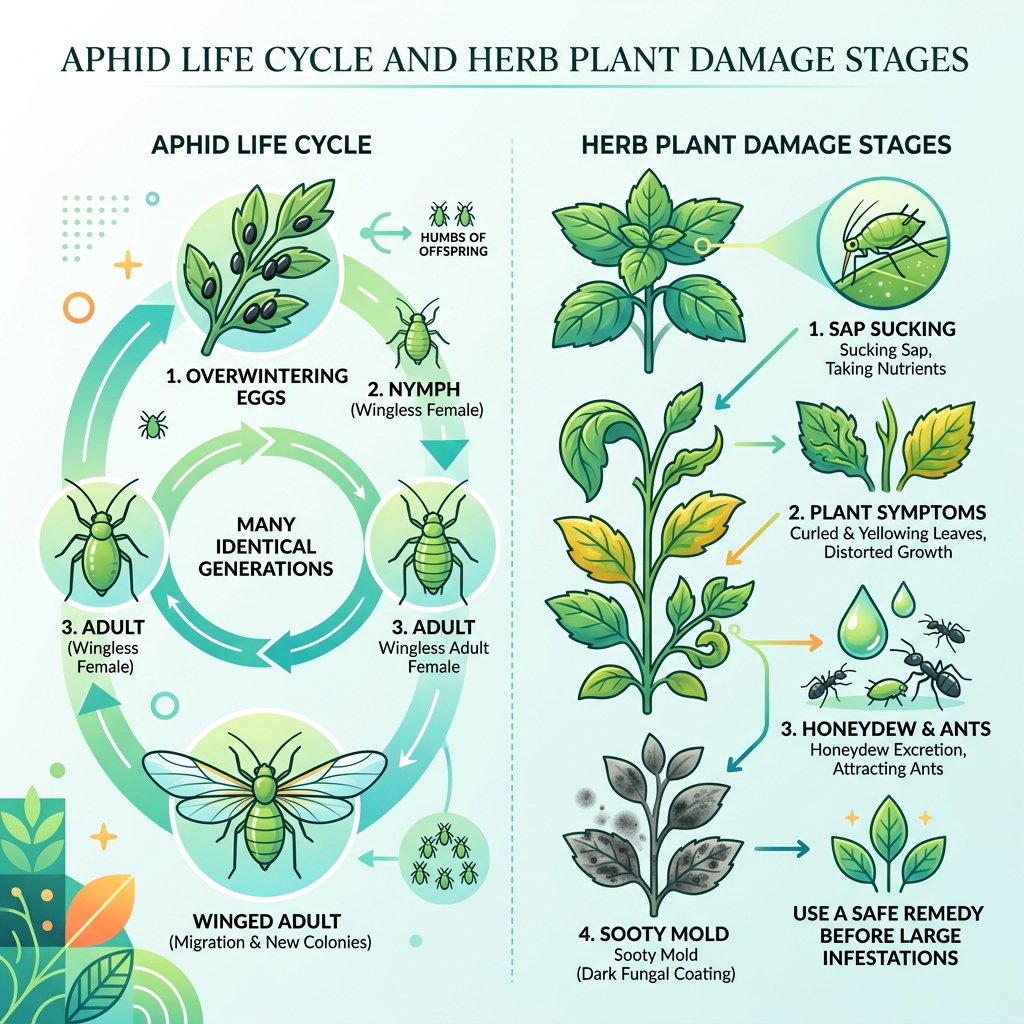
Aphids are the culprit. These tiny soft-bodied insects — most are smaller than 1/8 of an inch — feed by sucking sap directly from your herb plants. They reproduce fast, producing multiple generations in a single year. A small cluster can become a full infestation before you even notice.
They also leave behind a sticky waste called honeydew, which attracts ants and encourages a black fungal coating called sooty mold. And here’s something surprising: ants will actually protect aphid colonies from predators, because they feed on that honeydew. So if you’re seeing ants crawling over your herbs, look closer — there’s a good chance aphids are nearby.
The good news? You don’t need harsh chemicals to deal with them. Natural, food-safe sprays made from simple kitchen and garden ingredients work very well — and they’re safe for the herbs you cook with.
Why You Need a Safe Herb Aphid Spray for Edibles
When we grow herbs like basil, cilantro, or rosemary, we do it because we want fresh, flavorful ingredients for our kitchens. The last thing any of us wants is to garnish a homegrown Margherita pizza with leaves coated in toxic synthetic pesticides. This is exactly why a safe herb aphid spray is an essential tool for any organic gardener.
Aphids are soft-bodied pests. Unlike beetles with hard shells, aphids have delicate outer membranes. This makes them highly susceptible to physical disruption rather than chemical poisoning. Because they breathe through their skin, simple ingredients like soap and oil can suffocate them without leaving behind residues that are harmful to humans.
In our experience at Ponto de Arte, protecting aromatic herb gardens requires a gentle touch. Herbs often have tender leaves that can be easily “burned” by harsh chemicals. By using food-safe treatments, you ensure that your pest control for herb gardens remains as natural as the plants themselves. Furthermore, chemical-free sprays don’t have a “harvest interval” (the time you must wait after spraying before eating), though we always recommend a quick rinse to remove any dead bugs or soapy residue.

Best Ingredients for a Food-Safe Aphid Treatment
Creating an effective remedy starts with high-quality, natural ingredients. You likely already have most of these in your pantry or cleaning closet.
Castile Soap
The MVP of the organic garden is castile soap. Unlike modern detergents (like many common dish soaps) which contain degreasers, fragrances, and synthetic surfactants, pure castile soap is made from vegetable oils. It works by disrupting the cell membranes of the aphids, causing them to dehydrate and perish on contact.
Neem Oil
For a more “heavy-duty” approach, a neem oil spray is fantastic. Extracted from the seeds of the neem tree, this oil contains azadirachtin. It doesn’t just kill on contact; it interferes with the aphid’s hormonal system, preventing them from feeding and reproducing. It also acts as a repellent for other pests like mealybugs and mites.
Essential Oils
We love adding essential oils to our mixtures. Aphids have a strong aversion to certain scents. Peppermint oil is particularly effective because of its high menthol content, which acts as a natural deterrent. Rosemary and clove oils are also excellent additions that provide a “knockdown” effect on adult aphids.
| Ingredient | Primary Action | Best For |
|---|---|---|
| Castile Soap | Suffocation & Dehydration | Immediate contact kill |
| Neem Oil | Hormonal disruption | Long-term control & prevention |
| Peppermint Oil | Repellent | Deterring ants and new aphids |
| Water | Carrier | Diluting concentrates safely |
Step-by-Step Guide to Making Your Spray
Mixing your own diy organic pesticides for home gardeners is surprisingly easy and much more economical than buying pre-mixed bottles. A single quart of concentrate can often make up to 5 gallons of spray!
The Basic Castile Soap Recipe for a Safe Herb Aphid Spray
This is our “daily driver” recipe. It’s simple, fast, and works on almost every herb plant.
- Gather your supplies: You’ll need a clean 1-quart spray bottle or a mason jar with this mason jar spray lid.
- Fill with water: Start with 1 quart of lukewarm water. Warm water helps the soap dissolve more evenly.
- Add the soap: Add 1 to 2 teaspoons of insecticidal soaps or pure liquid castile soap. Do not use more than this, as too much soap can strip the protective waxy coating off your herb leaves.
- Mix gently: Swirl or shake the bottle gently to combine. Avoid creating too many bubbles, or you’ll just be spraying foam!
The Potent Neem and Essential Oil Blend: A Safe Herb Aphid Spray
When the infestation is stubborn, we bring out the “big guns.” This recipe combines the killing power of soap with the long-term protection of neem and the repellent nature of peppermint.
- Emulsify the oil: Neem oil and water don’t mix on their own. In a small cup, mix 1 tablespoon of neem oil with 1 teaspoon of castile soap. Stir until it looks milky.
- Combine: Add this mixture to 1 quart of water.
- Add Essential Oils: Add 20 drops of peppermint oil and 5 drops of clove oil.
- Shake well: Because this contains oils, you must shake the bottle vigorously before every use to ensure the ingredients haven’t separated.
For those just starting out, check out our guide on natural pest control for beginners to learn more about balancing your garden ecosystem.
Application and Prevention Strategies
Making the spray is only half the battle; how you apply it determines its success. Since these sprays work on contact, you can’t just mist the top of the plant and walk away.
The Golden Rules of Application:
- Target the “Underworld”: Aphids love to hide on the undersides of leaves and tucked into new, tender growth. You must spray the plant thoroughly until the liquid is dripping off.
- Timing is Everything: Never spray in the heat of the midday sun. The water and oil droplets can act like tiny magnifying glasses, causing “phototoxicity” (leaf burn). Apply your safe herb aphid spray in the early morning or, ideally, in the evening when temperatures are cooler.
- Test First: Some herbs, like delicate cilantro or young dill, can be sensitive. Always test your spray on one small leaf and wait 24 hours to see if there is any yellowing or spotting before treating the whole garden.
If you are looking for a complete setup, we often recommend this 6-part gardening kit which includes a high-quality sprayer that is much easier on the hands during large applications. For more tips, see our natural pest control for beginners 2 resource.
Natural Alternatives and Biological Controls
Sometimes, the best “spray” isn’t a spray at all. If you catch the problem early, a strong “water blast” from a garden hose can dislodge aphids. Since they are slow-moving, most won’t find their way back to the plant.
We also highly encourage inviting the “good guys” to the party.
- Ladybugs: Live ladybugs are famous aphid eaters. However, keep in mind that the larval stage (which looks like a tiny black and orange alligator) actually eats far more aphids than the adults!
- Green Lacewings: Often called “aphid lions,” Green lacewing eggs can be released into your garden for even more aggressive natural control.
- Companion Planting: Planting “trap crops” like nasturtiums can lure aphids away from your precious herbs. Conversely, planting garlic or chives near your basil can help repel them.
You can find more natural pest control methods for organic gardening on our blog to help build a resilient garden.
Frequently Asked Questions about Safe Herb Aphid Spray
Can I harvest herbs immediately after spraying?
Yes, but with a caveat. Most components of a safe herb aphid spray (like castile soap and essential oils) are non-toxic. However, neem oil has a bitter taste that you definitely don’t want in your pesto! We recommend waiting at least 24 hours after a neem application before harvesting. Regardless of what you use, always give your herbs a thorough rinse in cool water. This isn’t just for the spray residue—it’s to wash away any lingering dead aphids or sticky honeydew. For more on keeping your garden clean, see our tips on natural weed control methods for your organic garden.
Will this spray harm bees or ladybugs?
If you spray a bee directly with insecticidal soap, it will likely harm them. However, once the spray has dried, it is generally safe for pollinators. This is why evening application is so critical—bees are less active then, and the spray has all night to dry. Neem oil can repel some beneficial insects, so use it only where an infestation is active. According to scientific research on beneficial insects, soap sprays are most dangerous to soft-bodied larvae, so avoid spraying near ladybug eggs or lacewing larvae if you see them.
How often should I reapply the treatment?
Persistence is key. Because these sprays don’t have a long-lasting residual “poison” effect, they only kill the aphids that are present at the moment of spraying. Since aphid eggs can hatch a few days later, you should reapply the spray every 4 to 7 days. Continue this cycle for at least two weeks or until you see no further signs of new aphids.
Common Mistakes to Avoid
- Using Dish Detergent: Many people reach for “Dawn” or other dish soaps. These often contain degreasers that are too harsh for plant tissues. Stick to pure castile soap.
- Over-fertilizing: Aphids are attracted to the succulent, nitrogen-rich new growth caused by heavy fertilizing. If you have a recurring aphid problem, try cutting back on the nitrogen.
- Ignoring the Ants: If you don’t address the ants “farming” the aphids, the ants will simply bring new aphids to your plants or protect the remaining ones.
Conclusion
At Ponto de Arte, we believe that a healthy herb garden is a balanced one. While seeing a colony of aphids on your favorite mint plant can be frustrating, you have the tools to handle it naturally. By using a safe herb aphid spray, you’re not just protecting your dinner; you’re protecting the beneficial insects, the soil, and your family.
Gardening is a journey of learning how to work with nature rather than against it. Whether you’re mixing up a batch of castile soap spray or releasing a bag of ladybugs, you’re taking a step toward a more sustainable and delicious home.
Ready to take your herb garden to the next level? Explore our herb garden solutions and discover more ways to grow vibrant, pest-free aromatics. Happy gardening!
