
Introduction
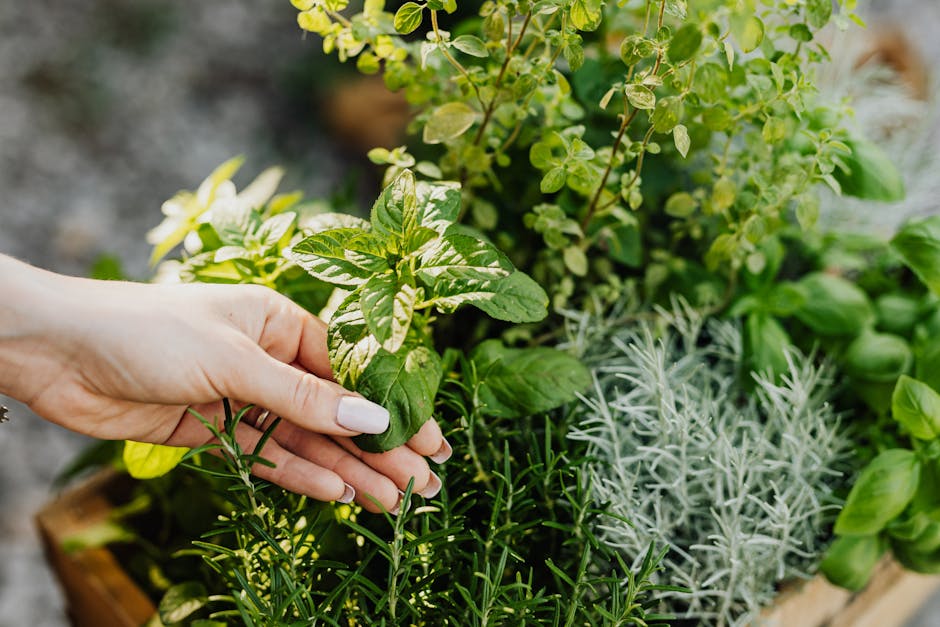
Herbs that repel aphids are one of the most effective, chemical-free ways to protect your garden. Here’s a quick answer if you need it fast:
Best herbs that repel aphids:
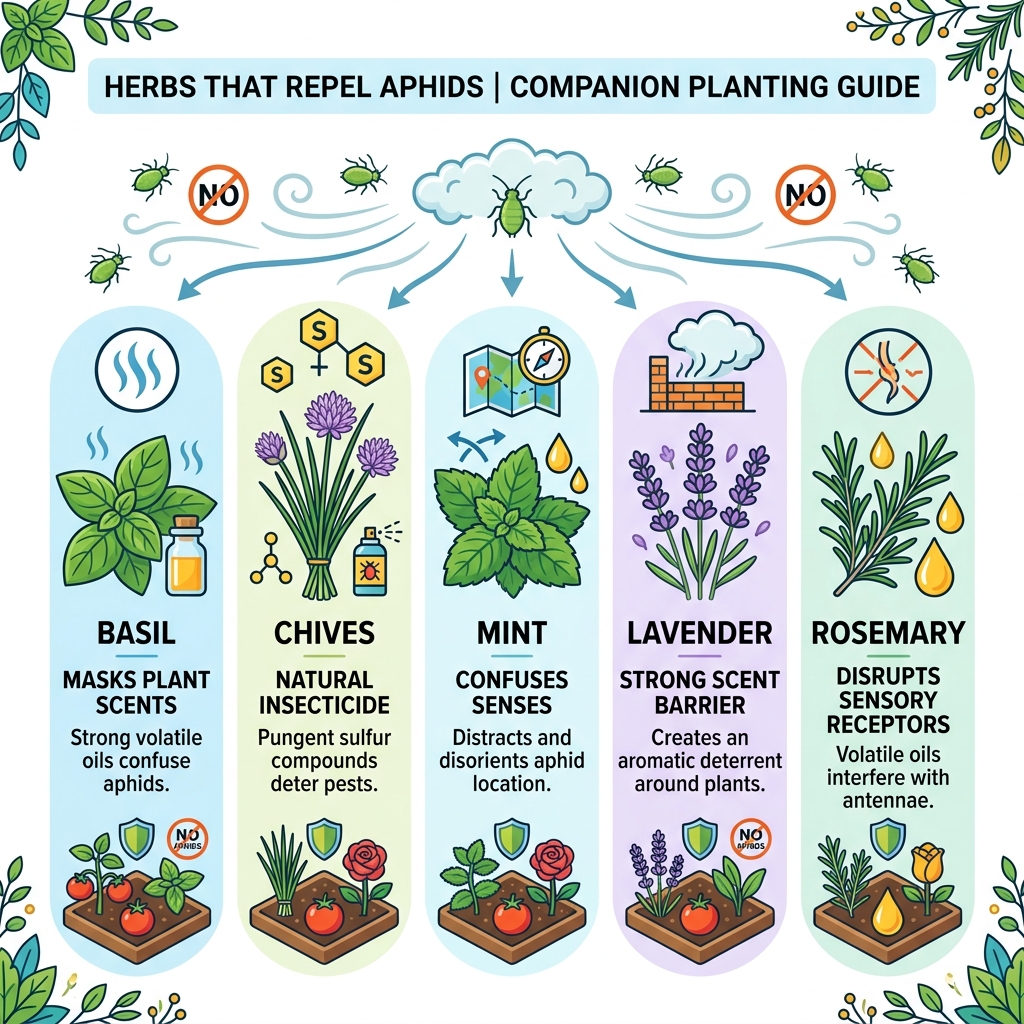
- Basil — volatile oils mask host plant scents; 90% repellency shown in research
- Chives — sulfur compounds act as a natural insecticide
- Mint — essential oils confuse aphids’ ability to locate plants
- Lavender — strong scent deters aphids from nearby plants
- Catnip — nepetalactone oils repel aphids effectively
- Rosemary — volatile oils disrupt aphid sensory receptors
- Sage — cineole and camphor compounds interfere with insect senses
- Thyme — aromatic oils deter aphids along garden borders
- Garlic — pungent sulfur compounds repel and disorient aphids
- Oregano — strong scent keeps aphids away from companion plants
If you’ve ever stepped outside to check on your herb garden and found the new growth covered in tiny, soft-bodied bugs — you already know the frustration. Aphids are fast. One day your basil looks perfect. The next, the leaves are curling and sticky.
These little pests suck sap from your plants, weakening them and leaving behind a sugary residue called honeydew. That honeydew attracts ants — which actually protect aphids from predators — and promotes a black fungus called sooty mold. Worse, aphids can spread plant viruses as they feed, causing damage that goes well beyond what you can see.
The good news? You don’t need harsh chemicals to stop them. Nature already built the solution into your garden.
By growing the right herbs nearby — and arranging them strategically — you can make your garden far less inviting to aphids while keeping it safe for pollinators, beneficial insects, and your family.
Understanding the Aphid Threat in Your Garden
Before we dive into the aromatic world of herbs that repel aphids, we need to know exactly what we’re up against. Aphids are small, pear-shaped, soft-bodied insects (members of the superfamily Aphidoidea) that come in a rainbow of colors—green, black, red, yellow, or even woolly white. They are often called “plant lice,” and for good reason. They reproduce at an alarming rate; some species can produce up to 12 generations in a single season!
These sap-suckers use their needle-like mouthparts to pierce plant tissue and drink the life-giving fluids within. This causes leaves to yellow, curl, or become stunted. If you are identifying the little black bugs eating your herbs, you’ve likely noticed a sticky substance on the foliage. This is honeydew, a sugary waste product excreted by aphids.
Honeydew isn’t just a sticky mess; it’s a beacon for ants. In a fascinating (and annoying) bit of nature, ants will actually “farm” aphids, protecting them from predators like ladybugs just to harvest that sweet honeydew. This honeydew also encourages the growth of sooty mold, a black fungus that can block sunlight from reaching the leaves.
Early detection is your best weapon. Check the undersides of leaves and new, tender growth regularly. If you see a few aphids, don’t panic—but do act. While a single aphid isn’t a disaster, their ability to spread plant viruses like the mosaic virus means a small colony can quickly become a garden-wide emergency.

Top Herbs That Repel Aphids Naturally
At Ponto de Arte, we believe that the best defense is a good offense—and in the garden, that offense smells like a five-star kitchen. Many of the aromatic plants we love to cook with are actually 10 Best Herbs for Pest Control to Save Your Garden.
Here is a breakdown of the heavy hitters:
| Herb | Growth Zone | Primary Repellent Mechanism | Best Companion For |
|---|---|---|---|
| Rosemary | 7-10 | Volatile oils (cineole) | Brassicas, Roses |
| Lavender | 5-9 | Linalool and camphor scent | Most garden plants |
| Mint | 3-9 | Menthol (olfactory confusion) | Lettuce, Cabbage |
| Catnip | 3-9 | Nepetalactone (pungent aroma) | Squash, Collards |
| Sage | 4-8 | Camphor (sensory disruption) | Root crops, Cabbage |
| Thyme | 5-9 | Antifungal roots/aromatic oils | Tomatoes, Beans |
Rosemary is a standout because its woody, resinous scent is highly offensive to aphids. We recommend planting it at the entry points of your garden beds to act as a fragrant gatekeeper. Mint is equally effective, but a word of caution: it’s an aggressive spreader. Always plant mint in containers to keep it from staging a hostile takeover of your vegetable patch.
Lavender doesn’t just look and smell beautiful; its oils contain compounds that ensure aphids stay far away. Interestingly, lavender thrives in “lean” soil (soil that isn’t too rich in organic matter), which actually encourages the plant to produce more of those protective essential oils.
Why Basil is One of the Best Herbs That Repel Aphids
If we had to pick a superstar for the herb garden, it would be Basil. Scientific studies, including research published in the Journal of Essential Oil Research, have shown that basil essential oil can repel aphids by up to 90%.
Basil produces a complex cocktail of chemicals, including estragole, citronellal, and limonene. These compounds act as a “scent mask,” making it nearly impossible for aphids to sniff out their favorite host plants like tomatoes or peppers.
However, even the protectors can fall victim. If you’ve noticed aphids on basil indoors are a real buzzkill, it’s usually due to a lack of air circulation or nearby infested houseplants. Interplanting basil with your fruiting vegetables not only protects the crop but is said to improve the flavor of the tomatoes themselves!
Using Alliums as Herbs That Repel Aphids
The Allium family—which includes chives, garlic, and onions—is the “secret weapon” of organic gardening. These plants produce volatile sulfur compounds that act as a natural insecticide and sensory disruptor.
- Chives: These are perhaps the best all-around “bodyguards” for your garden. Their purple blossoms attract pollinators, while their oniony scent confuses aphids.
- Garlic: Planting garlic near roses or raspberries is a classic technique. The pungent odor is so strong it can actually disorient aphids looking for a place to land.
- Onions: Interplanting green onions with leafy greens like spinach or kale creates a “wall of scent” that keeps pests at bay.
We suggest using chives as a border plant along the edges of raised beds. They are hardy, perennial, and provide constant protection. Just remember one rule of thumb: keep your alliums away from peas and beans, as they can sometimes stunt the growth of legumes.
Advanced Companion Planting Strategies for Aphid Control
Effective pest management isn’t just about what you plant; it’s about how you plant it. To truly master the use of herbs that repel aphids, you need to understand the “Trap Crop” strategy.
A trap crop is a plant that aphids actually prefer over your prized herbs or vegetables. By planting these “sacrificial” plants, you lure the aphids away from your main crops.
- Nasturtiums: These are the ultimate aphid magnets. Aphids love them so much they will ignore almost everything else. Plant them 8 to 12 feet away from the plants you want to protect. Once the nasturtiums are covered in aphids, you can simply remove the infested leaves (or the whole plant) and dispose of them.
- Sunflowers: Their thick stalks are strong enough to withstand an aphid attack without much damage, acting as a sturdy decoy.
- Borage: Known as a “rockstar” in the garden, borage attracts aphids away from tomatoes while also bringing in bees for pollination.
Using Natural Pest Control Methods for Organic Gardening involves creating a diverse ecosystem. Monoculture—planting huge blocks of just one thing—is like an all-you-can-eat buffet for pests. By mixing repellent herbs, trap crops, and your main vegetables, you create a confusing landscape that aphids struggle to navigate.
Attracting Beneficial Insects with Flowering Herbs
The most sustainable way to handle aphids is to let nature do the heavy lifting. You want to turn your garden into a habitat for “the good guys”—predatory insects that eat aphids for breakfast.
Did you know that ladybug nymphs (the “babies”) can eat hundreds of aphids a day? They look like tiny black and orange crocodiles and are far more voracious than the adults. To keep them around, you need to provide nectar and pollen.
- Cilantro and Dill: Don’t pull these herbs when they “bolt” (go to flower)! Bolting cilantro and deputy produce tiny umbrella-shaped flowers that are the favorite food of lacewings, hoverflies, and parasitic wasps.
- Parsley: This herb attracts predatory wasps that lay their eggs inside aphids, effectively controlling the population from the inside out.
- Sweet Alyssum: Often used as a living mulch, this flower smells like honey and attracts hoverflies, whose larvae are legendary aphid hunters.
At Ponto de Arte, we recommend a Pest Control for Herb Gardens approach that balances repulsion with attraction. Repel the pests with basil and chives, but attract the predators with flowering dill and parsley.
DIY Herbal Sprays and Maintenance Tips
Sometimes, despite your best companion planting efforts, a localized outbreak occurs. In these cases, you can use the very same herbs that repel aphids to create potent, organic sprays.
The Basic Herbal Tea Spray:
- Chop 1 cup of fresh mint, basil, or rosemary (or 1 tablespoon of dried).
- Steep in 2 cups of boiling water for 15 minutes.
- Strain the liquid and let it cool.
- Add 1 teaspoon of pure liquid castile soap (avoid detergents).
- Spray directly onto aphids, making sure to hit the undersides of the leaves.
For a stronger punch, you can use essential oils. A few drops of peppermint or rosemary oil in a spray bottle of water can be highly effective. This is one of many DIY Organic Pesticides for Home Gardeners that are safe for your family and pets.
Beyond the Leaves: Root Aphids and Soil Health
Not all aphids live on the leaves. Root aphids live in the soil and suck sap from the roots, often causing a plant to look wilted even when it’s well-watered. Above-ground sprays won’t help here. Instead, focus on soil health. Introducing beneficial nematodes can help control soil-dwelling pests. Also, ensure your herbs have excellent drainage; root aphids thrive in overly damp, compacted soil.
Regular maintenance is also key. Pruning your rosemary and mint frequently not only keeps them tidy but also helps release the volatile oils that keep pests away. For more detailed advice, check out our Stop the Sap-Suckers: A Guide to Aphid-Free Herbs guide.
Frequently Asked Questions about Aphid Control
Can I use these herbs to control aphids in a greenhouse?
Yes! In fact, herbs like mint and lavender are even more effective in enclosed spaces where their scents can become more concentrated. However, greenhouses often lack natural predators, so you may need to manually introduce ladybugs or lacewings. Ensure good air circulation to prevent the “stagnant” air that aphids love. Potted mint placed near the vents can help deter pests from entering in the first place.
Which herbs should I avoid planting together?
While companion planting is powerful, some plants just don’t get along. As mentioned, onions and garlic should be kept away from peas and beans. Turnips (often used as a repellent) should not be planted near potatoes. Also, be mindful of nutrient competition; heavy feeders like basil shouldn’t be crowded by other aggressive plants, or both will become stressed and more susceptible to aphid attacks.
How long does it take for repellent herbs to work?
Repellent herbs work best as a preventative measure. It takes time for a young plant to establish enough foliage to produce a strong scent “shield.” Generally, once a plant is established and you can smell its aroma from a foot or two away, it’s working. For an active, heavy infestation, herbs alone might not be enough; you’ll want to use a strong stream of water to knock the aphids off first, then let the repellent herbs keep them from coming back.
Conclusion
Creating an aphid-free sanctuary doesn’t require a degree in chemistry—it just requires a little help from Mother Nature. By integrating herbs that repel aphids into your garden layout, you’re not just protecting your plants; you’re building a balanced ecosystem.
At Ponto de Arte, we specialize in protecting aromatic herb gardens from the pests that love them as much as we do. Whether you are a seasoned gardener or just starting out with Natural Pest Control for Beginners, diversity is your best friend.
Ready to take your garden to the next level? Explore our organic gardening tips for more ways to grow a healthy, vibrant, and pest-free kitchen garden. Happy planting!
