
Why Sage Leafhopper Reflective Mulch Is Worth Your Attention
Sage leafhopper reflective mulch is one of the most effective, chemical-free ways to protect your herbs from the tiny pest causing those pale, speckled spots on your sage leaves.
Here’s the quick answer if you need it fast:
- What it does: Reflective mulch (usually silver plastic sheeting) confuses and repels leafhoppers by bouncing light upward, disrupting their ability to locate and land on your plants.
- Which pest it targets: The sage leafhopper (Eupteryx melissae) — a 3mm sap-sucker that damages sage, rosemary, mint, lavender, oregano, thyme, and lemon balm.
- How well it works: In field trials with a related species (corn leafhopper), reflective mulch outperformed both foliar and soil-applied insecticides at reducing pest numbers.
- Best time to apply: At planting, before leafhoppers colonize your crop — effectiveness drops once the plant canopy grows large enough to block reflected light.
- Bonus: It also conserves soil moisture and can boost plant growth.
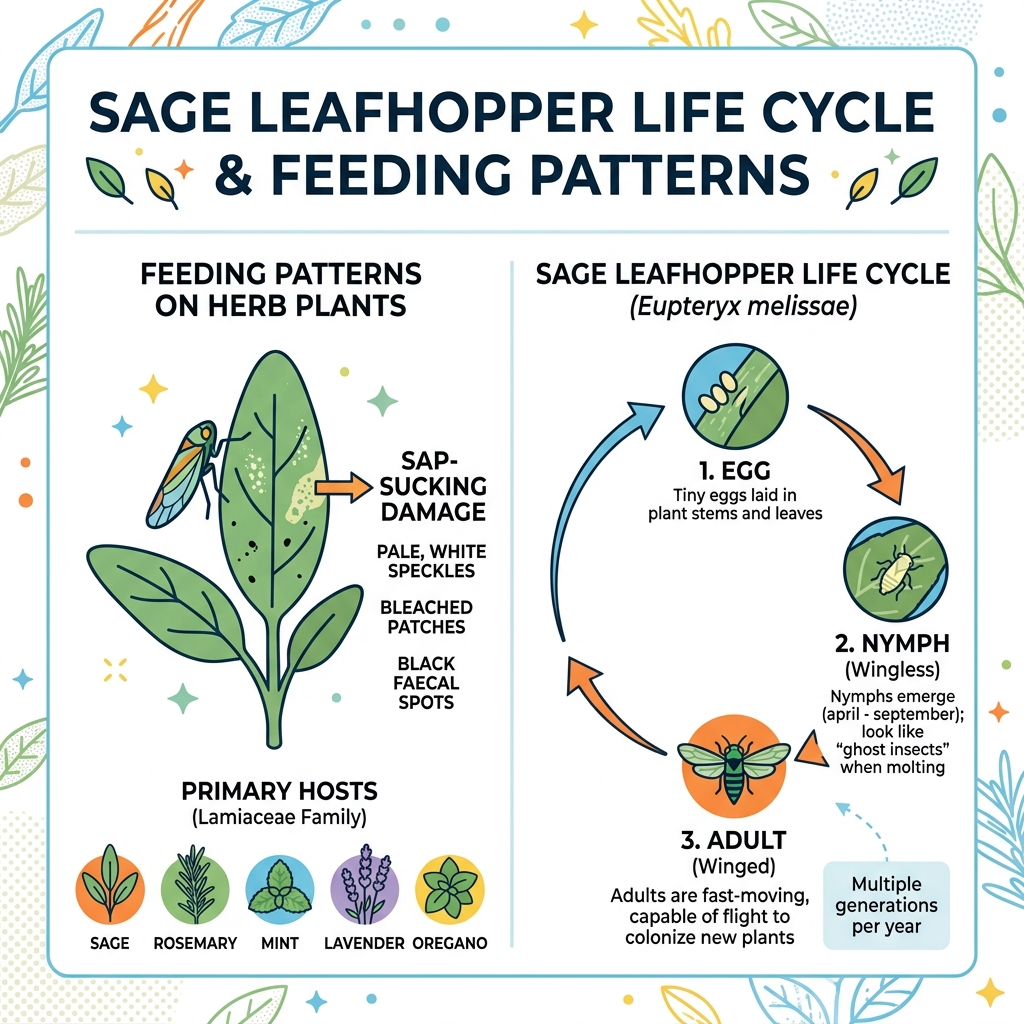
If you grow herbs at home, you’ve probably noticed the damage before you noticed the pest. The sage leafhopper is tiny — barely 3mm long — but it punches well above its weight. It pierces leaf tissue to suck sap, leaving behind pale white speckles, bleached patches, and black faecal spots. In research on oregano, Eupteryx melissae infestation reduced essential oil content by up to 34.8% — meaning your herbs don’t just look worse, they smell and taste worse too.
The frustrating part? These insects are fast-moving and their nymphs hide on leaf undersides, making sprays difficult to land where it counts. Even experienced growers report that standard pesticides often fall short.
That’s exactly why reflective mulch has caught the attention of both commercial herb producers and home gardeners alike. It works before the pest even arrives — no spraying required.
Understanding the Sage Leafhopper and the Power of Reflection
To beat the sage leafhopper, we first have to understand how it thinks—or rather, how it sees. These tiny insects, scientifically known as Eupteryx melissae, are visual creatures. They navigate the world by looking for specific light cues that tell them “here is a tasty green plant to land on.”
According to Sage and Ligurian Leafhoppers | RHS Advice, these sap-sucking true bugs are most active from April through September. They are particularly fond of the Lamiaceae family, which includes our most beloved aromatic herbs. If you’ve been identifying the little black bugs eating your herbs, you might have noticed that while the adults are mobile, the nymphs (the younger stages) are often tucked away on the undersides of leaves, looking like tiny “ghost insects” once they shed their skins.
This is where the power of reflection comes in. By using sage leafhopper reflective mulch, we aren’t just covering the soil; we are creating a visual “no-fly zone.” The silver or metallic surface reflects high amounts of UV light. To a leafhopper flying overhead, this reflected light is incredibly disorienting. It masks the visual “green” signal of your sage plants, making it much harder for the pests to find a place to land and start their sap-sucking buffet.
Why Sage Leafhopper Reflective Mulch Works
The science behind this is fascinating. Most insects, including leafhoppers, use the sky’s light to orient themselves. When we lay down a reflective surface, the light bouncing back up mimics the sky. This “sky-from-below” effect confuses their navigation systems.
Scientific research on reflective mulches foiling insects shows that this visual disruption significantly delays colonization. If the leafhoppers can’t find your plants during the vulnerable early growth stages, they can’t lay eggs. Since Eupteryx melissae eggs are laid deep within leaf veins and petioles—making them nearly impossible to see even with a microscope—preventing that first landing is half the battle.
Impact on Essential Oils and Herb Quality
We aren’t just worried about the aesthetics of our gardens. For those of us who love cooking with fresh herbs, the chemical impact of leafhopper feeding is a major concern. Research on leafhopper feeding damage and essential oils has shown some startling results.
In studies of Turkish and Greek oregano, sage leafhopper feeding caused:
- A 34.8% reduction in essential oil content for Turkish oregano.
- A 28.8% reduction for Greek oregano.
- Significant chlorophyll loss, leading to increased brightness and yellowness (bleaching) and decreased greenness.
While the major component of the oil (carvacrol) stayed relatively stable, the sheer volume of oil plummeted. If you want your sage to have that punchy, earthy aroma, you simply cannot afford to let leafhoppers go unchecked.
How to Use Sage Leafhopper Reflective Mulch in Your Garden
Now that we know why it works, let’s talk about how to actually get this stuff into your garden. At Pontodearte, we believe in practical solutions that don’t require a degree in entomology to implement.
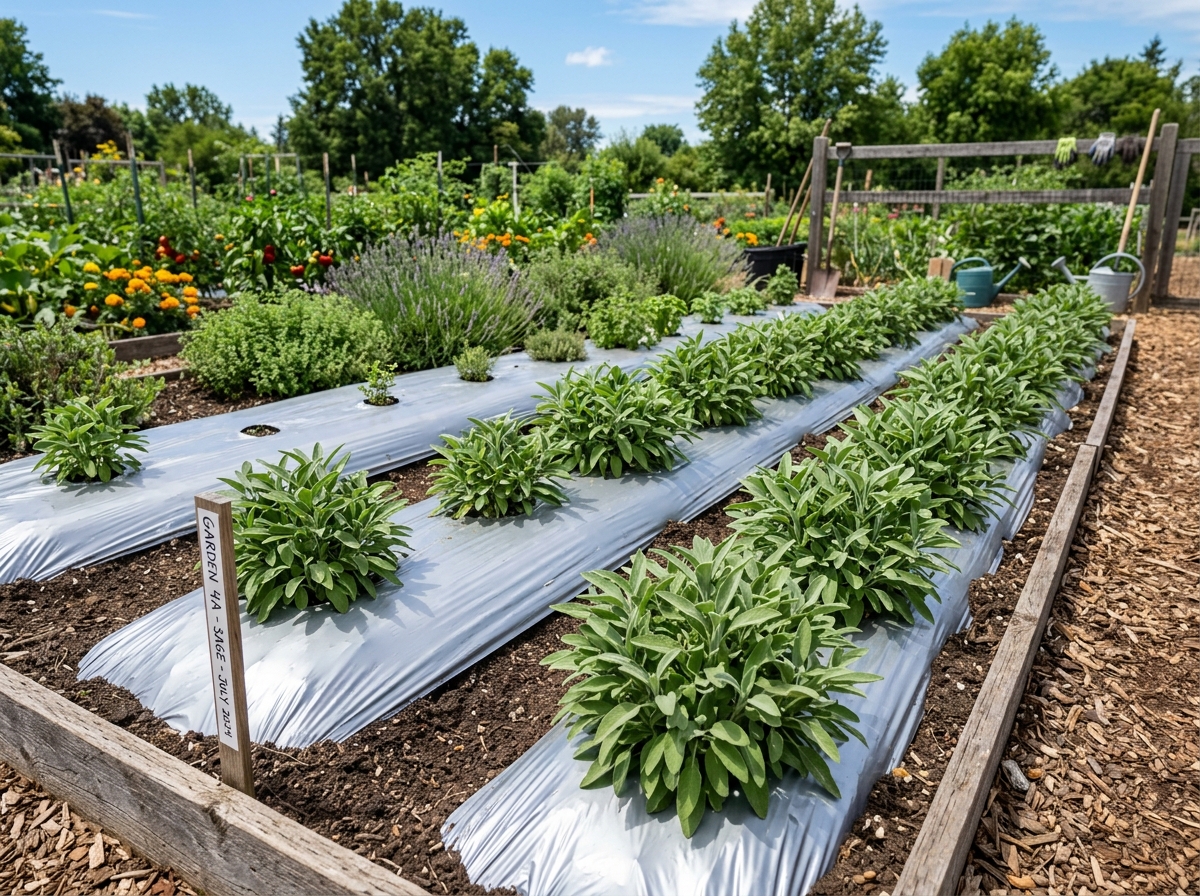
The key to success with sage leafhopper reflective mulch is timing and preparation. You want to have the mulch in place before the leafhoppers start their spring migration. This usually means laying it down at the same time you transplant your young sage starts into the ground.
Following organic herb gardening tips, you should start with a clean slate. Ensure your soil is well-prepared and nutrient-rich, as organic care tips for healthy plants always emphasize that a strong plant can withstand minor pest pressure better than a weak one.
Step-by-Step Installation for Herb Beds
- Level the Surface: Start by raking your garden bed until it is smooth and level. Any large clumps of soil or rocks will poke holes in your reflective film and reduce its effectiveness.
- Lay the Mulch: Roll out your silver reflective plastic over the bed. We recommend using professional-grade UV-reflective film for the best results, as it’s designed to withstand the sun without degrading too quickly.
- Anchor the Edges: This is the most important part! If the wind gets under the mulch, it will act like a sail and fly away. Dig a small trench around the perimeter of the bed, tuck the edges of the plastic into the trench, and bury them with soil.
- Cut Planting Holes: Using a sharp knife or a bulb planter, cut small “X” or circular holes in the plastic where you want your sage plants to go. Keep the holes as small as possible to maximize the reflective surface area.
- Planting: Gently tuck your sage starts into the holes. Be careful not to tear the plastic further.
As part of our eco-friendly tips for organic gardening, reflective mulch can also help with heat management in some climates by reflecting light, though in very hot areas, you should monitor the soil temperature to ensure it doesn’t get too warm for the roots.
Maintenance and Seasonal Care
Your work doesn’t end once the mulch is down. To keep your sage leafhopper reflective mulch working at peak performance, you need to keep it clean. Dust, dirt, and splashing mud from rain can dull the silver surface. A quick rinse with a hose every week or two will keep it shiny and repelling pests.
Additionally, while the mulch is great for pest control for herb gardens because it suppresses weeds, you should still keep an eye on the planting holes. Some determined weeds might try to sneak through the same hole as your sage plant.
Comparing Reflective Mulch to Other IPM Strategies
Integrated Pest Management (IPM) is all about using a variety of tools. While we love reflective mulch, it’s helpful to see how it stacks up against other methods.
| Method | Efficacy against Leafhoppers | IPM Compatibility | Best Use Case |
|---|---|---|---|
| Reflective Mulch | High (Early Season) | Excellent | Prevention at planting |
| Yellow Sticky Traps | Moderate (Monitoring) | High | Catching adults/monitoring |
| Organic Pesticides | Variable (Contact-based) | High | Targeted “hot spot” treatment |
| Suction/Vacuuming | Up to 70% reduction | Moderate | Large commercial fields |
Research published in the Management of Corn Leafhopper Using Reflective Mulch showed that reflective surfaces were actually more effective than common insecticides like permethrin. This is a huge win for natural pest control for beginners, as it reduces the need for potentially harmful chemicals in our food gardens.
Biological Controls and Trap Crops
We can also bring in “nature’s hitmen.” The tiny parasitic wasp Anagrus atomus is a natural enemy of the sage leafhopper, laying its eggs inside the leafhopper’s eggs. While they aren’t always commercially available for home gardeners, they often occur naturally in unsprayed organic gardens.
Green lacewings (Chrysoperla carnea) are another great ally. They are voracious predators of both aphids and leafhopper nymphs. You can also try “trap cropping”—planting sunflowers nearby to lure leafhoppers away from your precious sage. For more on this, check out our guide on natural pest control methods for organic gardening.
Limitations of Sage Leafhopper Reflective Mulch
Nothing is perfect, and reflective mulch does have its “expiration date” each season. According to the Leafhoppers and Sharpshooters – UC IPM guidelines, the effectiveness of reflective mulch decreases as the crop canopy develops.
Once your sage plant grows large enough that its leaves cover the mulch, the “reflective shield” is broken. The leafhoppers can then land on the leaves without being blinded by the light from below. This is why we view reflective mulch as a crucial early-to-mid season tool.
Beyond Pest Control: The Bonus Benefits of Reflective Surfaces
One of the reasons we frequently recommend sage leafhopper reflective mulch at Pontodearte is that it’s a multi-tasker. It doesn’t just scare away bugs; it actually helps your plants thrive in other ways.
Increased Yield and Marketability
Because the mulch reflects extra light back up into the plant’s lower leaves, it can actually stimulate faster growth. In commercial trials, crops grown with reflective mulch often show increased “marketable yield.” For a home gardener, this means more sage for your stuffing and more rosemary for your roast potatoes.
‘Sage’ advice for controlling leafhopper on herbs | AHDB notes that meeting retail standards for herbs is incredibly difficult because customers (and stores) have zero tolerance for pest damage. Reflective mulch helps keep your leaves pristine, so they look as good as they taste.
Disease Prevention and Vector Control
Leafhoppers aren’t just annoying; they are often the “delivery drivers” for plant diseases. They can transmit phytoplasmas like Aster Yellows, which causes stunted growth and yellowing, and bacteria like Xylella fastidiosa.
By preventing the leafhoppers from landing in the first place, you are effectively “vaccinating” your garden against these diseases. This is a similar strategy used when trying to keep your garden aphid-free, as many sap-sucking insects carry viruses from one plant to another.
Frequently Asked Questions about Sage Leafhopper Reflective Mulch
Does reflective mulch work once the sage plant grows large?
As we mentioned earlier, the effectiveness does drop off. Once the “canopy closure” happens—meaning the leaves have grown to cover the mulch—the reflective benefit is mostly lost. However, by that point, your sage plant is usually established and strong enough to handle a bit of leafhopper pressure. The goal is to protect the plant while it is young and most vulnerable.
For more on this, the Reflective Mulches, Whitefiles, and Squash – IPM Florida report provides great data on how canopy size affects pest repulsion.
Can I use aluminum foil instead of professional plastic mulch?
In a pinch, yes! If you have a small container garden or just a few sage plants, you can lay down strips of heavy-duty aluminum foil. It provides the same UV-reflective properties. However, foil is much more fragile than professional plastic mulch and can tear easily or blow away. It also doesn’t provide the same level of weed suppression or moisture retention. If you’re going the DIY route, check out our DIY organic pesticides for home gardeners for other creative solutions.
What further research is needed for Eupteryx melissae control?
While we know reflective mulch works, we still have a lot to learn about the specific long-term population dynamics of the sage leafhopper. Research papers like the Appendix 3 Research Paper highlight the need for more efficacy trials on different herb hosts and better commercial availability of biological controls like Anagrus atomus.
Conclusion
At Pontodearte, our mission is to help you enjoy the beauty and flavor of a thriving herb garden without the stress of constant pest battles. Using sage leafhopper reflective mulch is a brilliant, sustainable way to work with nature (and physics!) to protect your aromatic herbs.
By disrupting the leafhopper’s navigation, conserving water, and boosting your plant’s growth, you’re setting your sage up for a spectacular season. Whether you’re a beginner or a seasoned pro, reflecting your way to a healthier garden is a bright idea.
Ready to dive deeper into herb care? Explore our full range of herb care guides and let’s keep those gardens lush and productive together!
