
Why Full Sun Plants That Repel Mosquitoes Belong in Every Garden
Full sun plants that repel mosquitoes include lavender, marigolds, citronella grass, catmint, rosemary, basil, lemongrass, sage, thyme, bee balm, lantana, and alliums — all thriving in 6-8 hours of direct sunlight daily.
Quick Reference: Top Full Sun Mosquito-Repellent Plants
| Plant | Sun Needs | Key Repellent Compound |
|---|---|---|
| Lavender | Full sun | Linalool |
| Catmint | Full sun | Nepetalactone |
| Citronella Grass | Full sun | Citronellal |
| Marigolds | Full sun | Pyrethrum |
| Rosemary | Full sun | Camphor |
| Lemongrass | Full sun | Citronellol |
| Basil | Full sun | Eugenol |
| Sage | Full sun | Thujone |
A relaxing evening in your herb garden can turn frustrating fast — first a buzz, then a bite, then another. Mosquitoes don’t just ruin the experience. They can genuinely damage the peaceful, aromatic space you’ve worked hard to build.
The good news? Many of the most beautiful, fragrant plants you’d already want in a sunny garden also happen to keep mosquitoes at bay. Their natural oils and scents work as a built-in defense — no harsh chemicals required.
That said, it’s worth setting realistic expectations. Simply placing these plants nearby isn’t always enough. Most repellent properties are strongest when leaves are bruised or crushed, releasing the volatile compounds that mosquitoes hate. Combined with smart placement and a few extra steps, these plants become a genuinely powerful part of your pest control strategy.
The Best Full Sun Plants That Repel Mosquitoes
To build a truly effective “no-fly zone,” we need to focus on plants that can handle the heat. Most full sun plants that repel mosquitoes require at least 6 to 8 hours of direct sunlight daily to produce the potent essential oils that drive insects away. These plants have evolved to survive intense UV rays by creating chemical shields—shields that we can use to our advantage.
When selecting your greenery, consider your USDA hardiness zone. For instance, while Rosemary is a sturdy perennial in zones 8-10, those in colder climates might need to treat it as an annual or move it indoors for the winter. Understanding the lifecycle of your plants—whether they are perennials that return every year or annuals that provide a single season of intense protection—is key to long-term garden planning.
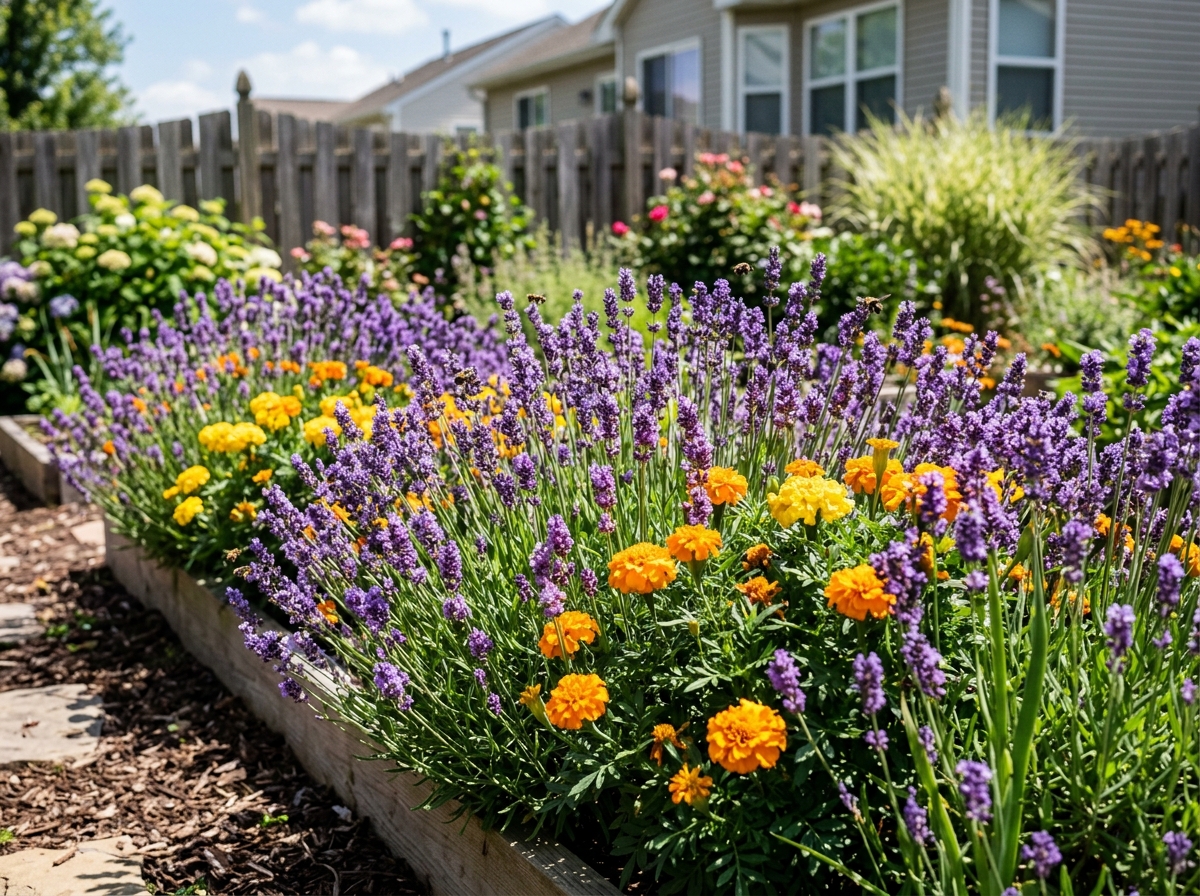
Growing Aromatic Full Sun Plants That Repel Mosquitoes
Among the heavy hitters, Lavender stands out not just for its beauty, but for its high concentration of Linalool. This compound is so potent that it can actually hinder a mosquito’s ability to smell, effectively “blinding” their scent receptors. To get the best results, use a high-quality organic in-ground soil that offers excellent drainage; lavender hates “wet feet” and will suffer from root rot if the soil stays soggy.
Another powerhouse is Citronella grass (Cymbopogon nardus). It is important to distinguish this from the “citronella geranium.” True citronella grass is a large, clumping grass that can grow up to 6 feet tall. It thrives in the heat and contains high levels of citronellal, the primary ingredient in many natural bug sprays. If you are Growing Citronella Plants & Mosquito Plants, ensure they have plenty of room to spread and a steady supply of nutrients.
Maintenance Tips for Full Sun Plants That Repel Mosquitoes
To keep your repellent garden performing at its peak, regular maintenance is essential.
- Pruning and Deadheading: Regularly snipping back herbs like basil and rosemary encourages bushier growth and more foliage. Deadheading spent flowers on marigolds or bee balm keeps the plant focused on producing new, oil-rich growth rather than seeds.
- Strategic Drainage: Most of these sun-lovers require well-drained soil. If you’re planting in the ground, consider mixing in Miracle-Gro® Performance Organics® All Purpose In-Ground Soil to improve texture.
- Container Gardening: For many, the best way to manage these plants is in pots. This allows you to move the “protection” exactly where you need it—like right next to the grill. Use a Miracle-Gro® Performance Organics® All Purpose Container Mix to ensure your potted plants have the right air-to-water ratio.
- Pest Monitoring: Even repellent plants can sometimes fall victim to other bugs like aphids or whiteflies. Implementing pest control for herb gardens ensures your plants stay healthy enough to keep the mosquitoes away.
How to Activate and Enhance Natural Repellency
One of the most common gardening mistakes is assuming that simply having a “mosquito plant” in the corner of the yard will create a force field. In reality, the repellent oils are tucked away inside the leaves. To make them work, you have to release them.
Leaf bruising is the most direct way to activate these volatile compounds. By gently crushing a leaf of basil or lemon balm, you release a concentrated burst of scent that masks the carbon dioxide and skin odors that attract mosquitoes. For a more intensive barrier, some gardeners practice rubbing the leaves vigorously on their skin. However, always test a small patch of skin first, as some people may have allergic reactions to concentrated plant oils.
Nepetalactone, the active ingredient in catmint and catnip, is a perfect example of a high-performance volatile compound. Research from Iowa State University famously found that nepetalactone is significantly more effective at repelling mosquitoes than DEET. To learn more about how these natural mechanisms work, check out our guide on natural pest control for beginners.
Strategic Planting for Maximum Deterrence
Where you plant is just as important as what you plant. To maximize the effectiveness of full sun plants that repel mosquitoes, we recommend a “layered” approach.
- Entryways and Patios: Place high-traffic barriers. Pots of marigolds near doorways can deter mosquitoes from hitching a ride inside when you open the door.
- Seating Areas: Surround your outdoor dining set with a ring of lavender and rosemary. As people move around or a light breeze blows, the plants will naturally release small amounts of scent.
- Companion Planting: Mix your repellent plants with your vegetables. Basil is a fantastic companion for tomatoes, not just for flavor, but for keeping garden pests away. You can also integrate natural weed control methods for your organic garden to ensure your repellent plants aren’t competing for nutrients with aggressive weeds.
Bee Balm and Alliums are excellent choices for the edges of your garden. While they repel mosquitoes, they are highly attractive to pollinators like bees and butterflies, ensuring your garden remains a vibrant, living ecosystem.
Safety and Effectiveness of Natural Repellents
While we love the power of plants, safety is our top priority at Ponto de Arte. It is a common misconception that “natural” always means “safe for everyone.”
Pet Toxicity is a major factor to consider. For example, citronella is toxic to pets, specifically cats and dogs. If ingested, it can cause digestive upset or even more severe reactions. Scented geraniums (often sold as “Mosquito Plants”) are also generally toxic to pets. If you have furry friends, stick to pet-safe options like Lavender or Lemon Balm, but always monitor them to ensure they aren’t snacking on the greenery.
In terms of effectiveness, how do these plants stack up against the chemical heavyweights? As mentioned, catmint has been shown to be ten times more effective than DEET in lab settings. However, in an open garden, the “active” protection—the scent lingering in the air—is much lower than a spray applied directly to the skin. This is why we recommend using these plants as part of a broader diy organic pesticides for home gardeners strategy.
Frequently Asked Questions about Mosquito-Repellent Plants
Are these plants toxic to pets?
Yes, some are. Citronella grass and the Citrosa geranium (scented geranium) can cause digestive distress, skin irritation, and respiratory issues in dogs and cats if ingested. Always keep these plants in elevated containers or areas inaccessible to pets. Lavender and catnip are generally considered safer, but it’s best to discourage pets from eating any garden plants.
How does catmint compare to chemical repellents?
An Iowa State University study revealed that the essential oil in catmint, nepetalactone, is about ten times more effective at repelling mosquitoes than DEET. However, this refers to the concentrated oil. In your garden, the plant provides a passive level of protection. To match the power of a chemical repellent, you would need to crush the leaves and apply the oils to your skin (after a patch test!).
Can these plants be grown in small containers?
Absolutely! Most full sun plants that repel mosquitoes thrive in containers, making them perfect for balconies or small patios. We recommend using pots at least 12 inches in diameter with plenty of drainage holes to prevent root rot. To keep them healthy in a small space, feed them regularly with Miracle-Gro® Performance Organics® Edibles Plant Nutrition.
Conclusion
At Ponto de Arte, we believe that your garden should be a sanctuary, not a buffet for bugs. By choosing the right full sun plants that repel mosquitoes, you can create a beautiful, aromatic landscape that works for you. Whether you are protecting a sprawling backyard or a small balcony, these natural solutions offer a sustainable way to enjoy the outdoors.
Don’t forget that plant-based repellents work best when combined with good garden hygiene. Mosquito rings can help manage standing water, while citronella torches and candles can provide an extra layer of protection during peak mosquito hours.
Ready to dive deeper into sustainable gardening? Explore our Urban Gardening Category for more tips on maximizing your green space!
