
Understanding Tarragon Varieties and Bay Laurel
Before we can effectively tackle bay leaf tarragon aphids, we need to understand the plants they love to call home. In our experience, many gardeners are surprised to learn that “tarragon” isn’t just one plant, and its relationship with the bay laurel is a fascinating one in aromatic herbs.
The Tarragon Duo: French vs. Mexican
There are two primary types of tarragon you’ll likely encounter in your garden:
- French Tarragon: This is the “traditional” culinary tarragon. It has narrow, dark green leaves and a sophisticated anise-like flavor. It’s a bit of a diva—it doesn’t grow from seed and requires temperate conditions to thrive.
- Mexican Tarragon (Tagetes lucida): Also known as Winter Tarragon, Sweet Mace, or Mexican Marigold, this plant is actually a cousin of the marigold. It is native to Mexico and Central America and was historically used by the Aztecs as a ritual incense. It has a similar licorice flavor to French tarragon but is much more heat-tolerant and produces beautiful edible yellow flowers.

The Stately Bay Laurel (Laurus nobilis)
The Bay Laurel is a robust Mediterranean evergreen. While it’s famously hardy, it shares a vulnerability with tarragon: a susceptibility to sap-sucking insects. Interestingly, Bay Leaves are a secret weapon in your pantry for repelling pantry moths, but when they are still on the tree, they can become a magnet for specific aphid species and psyllids.
Both plants are prized for their essential oils, but those same oils can sometimes act as a beacon for pests if the plants become stressed. Whether you are growing the ancient Aztec favorite or the classic French herb, keeping them aphid-free is the key to a bountiful harvest.
Strategies for Managing Bay Leaf Tarragon Aphids
When we talk about bay leaf tarragon aphids, we are dealing with tiny, soft-bodied invaders that view your herbs as a giant juice box. They use their needle-like mouthparts to pierce the plant tissue and suck out the nutrient-rich phloem sap.
This feeding doesn’t just weaken the plant; it creates a secondary problem. Aphids excrete a sticky, sugary substance known as honeydew. If left on the leaves, this “aphid poop” becomes a breeding ground for sooty mold, a black fungus that blocks sunlight and interferes with the plant’s ability to breathe and photosynthesize. To keep your garden healthy, we recommend reading our guide to aphid-free herbs to understand these “sap suckers” better.
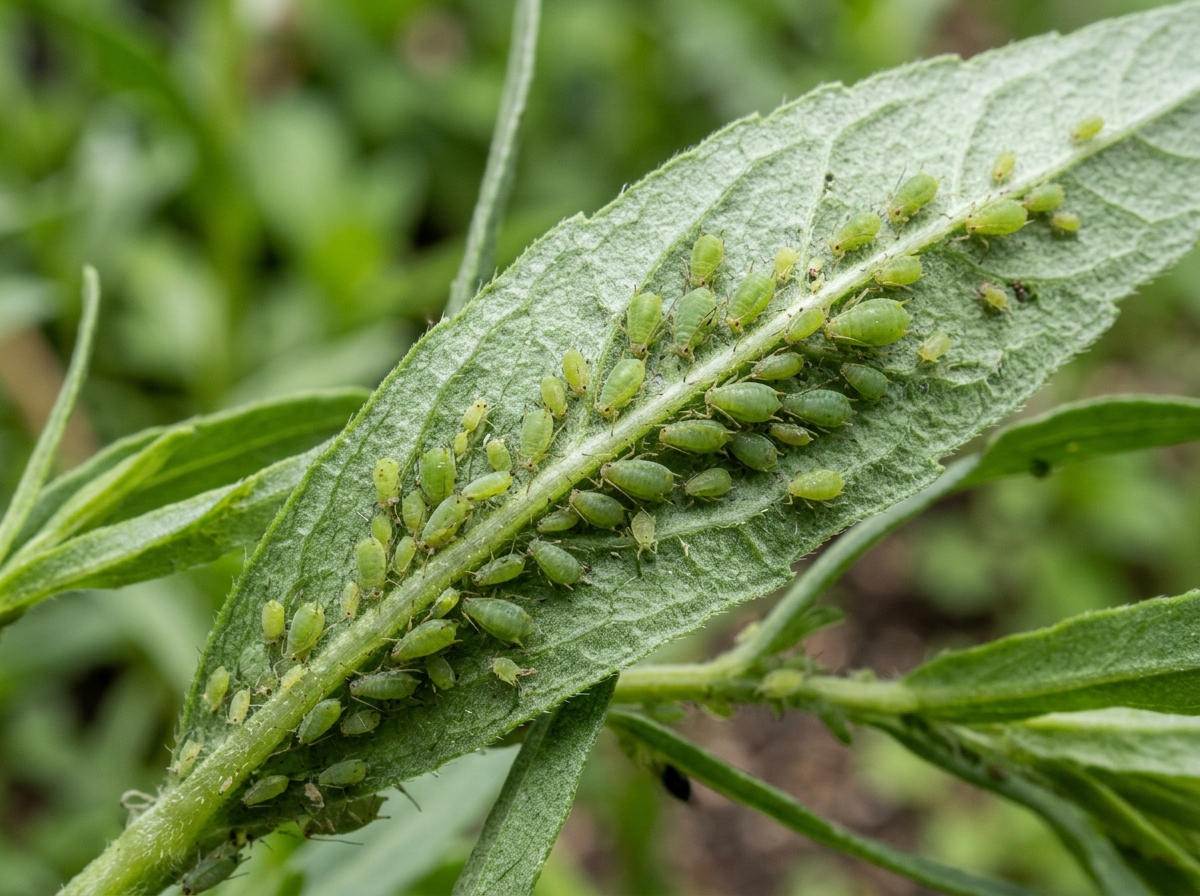
Identifying Bay Leaf Tarragon Aphids Damage
Early detection is your best defense. We suggest checking your plants daily, especially during the spring and summer when populations explode. Look for these red flags:
- Sticky Residue: If the leaves feel tacky or look shiny, you likely have a honeydew problem.
- Curled or Distorted Foliage: New growth often comes out twisted or yellowed because aphids prefer the tender, young stems.
- Ant Activity: If you see a “highway” of ants climbing your bay tree or tarragon, they are likely “farming” the aphids, protecting them from predators in exchange for that sweet honeydew.
- Stunted Growth: A heavy infestation will drain so much energy that the plant simply stops growing.
If you aren’t sure what you’re looking at, our guide on identifying little black bugs can help you distinguish aphids from other common pests.
Effective Natural Removal Methods
If you find an infestation, don’t panic. We believe in starting with the gentlest methods first. You can even make your own organic pesticides at home!
- Water Blasts: For a minor infestation, a strong stream of water from a garden hose can dislodge aphids. They are surprisingly bad at climbing back up once they’ve been knocked off.
- Neem Oil: This is an organic gardener’s best friend. It disrupts the aphids’ hormonal balance, making it impossible for them to eat or reproduce. Apply it in the early morning or evening to avoid leaf burn.
- Insecticidal Soap: These soaps (often made with potassium salts of fatty acids) suffocate soft-bodied insects on contact.
- Manual Removal: If you only see a few, you can wipe them off with a damp paper towel or prune away the heavily infested branch.
- Garlic Spray: Garlic contains sulfur, which is toxic to aphids. Blending garlic with water and a drop of dish soap creates a potent repellent spray. For more detailed steps, check out these natural pest control methods.
Biological Controls and Beneficial Insects
Nature has its own “pest control officers,” and our job as gardeners is to make them feel welcome. Introducing or attracting beneficial insects is a cornerstone of natural pest control for beginners.
The Aphid Avengers
- Ladybugs: An adult ladybug can eat 50 aphids a day, but their larvae are the real stars. A single ladybug larva can consume 40 aphids per hour! They look like tiny black and orange alligators.
- Lacewings: Often called “aphid lions,” lacewing larvae are voracious predators.
- Hoverflies: These look like small bees but don’t sting. Their larvae crawl along leaves, snacking on aphids as they go.
- Parasitic Wasps: These tiny wasps lay eggs inside aphids. It sounds like a horror movie, but it’s incredibly effective for garden balance.

To attract these helpers, plant “insectary plants” nearby. Sweet Alyssum is particularly effective; research has shown its scent can attract beneficial insects from up to 50 feet away!
Beneficial Insects to Attract:
- Ladybugs (Coccinellidae)
- Green Lacewings (Chrysoperla)
- Hoverflies (Syrphidae)
- Praying Mantids
- Minute Pirate Bugs
Cultural Practices for Long-Term Prevention
A healthy plant is the best defense against bay leaf tarragon aphids. Pests are naturally drawn to stressed plants—they can literally “hear” or “smell” a plant that is thirsty or nutrient-deficient.
Garden Hygiene and Care
- Pruning: Regularly prune your bay laurel to improve airflow. This prevents the humid, stagnant conditions that aphids and mold love.
- Watering: Ensure you are using proper watering techniques. Over-watering can lead to fungus gnats, while under-watering stresses the plant’s immune system.
- Soil Quality: Use high-quality organic soil and avoid over-fertilizing with nitrogen. Too much nitrogen causes a flush of succulent new growth that acts like an “all-you-can-eat” sign for aphids.
- Cleanliness: Always remove fallen leaves and debris from the base of your plants to prevent pests from overwintering. Follow our organic care tips for more advice on maintaining plant vigor.
Preventing Bay Leaf Tarragon Aphids with Companion Planting
Companion planting is the art of placing plants together for mutual benefit. Some plants act as repellents, while others act as “trap crops.” Using herbs for pest control is a brilliant way to double your harvest while protecting your garden.
Repellent Herb Comparison Table
| Companion Plant | Pests Deterred | Why it Works |
|---|---|---|
| Garlic/Chives | Aphids, Mites | Strong sulfur scent confuses pest sensors |
| Mint | Aphids, Cabbage Loopers | Intense aroma masks the scent of host plants |
| Marigolds | Various Pests | Produces compounds that repel many insects |
| Dill | Aphids, Spider Mites | Attracts predatory wasps and hoverflies |
| Nasturtiums | Aphids | Acts as a “Trap Crop” (sacrificial plant) |
By planting nasturtiums near your tarragon, the aphids will often choose the nasturtiums instead, allowing you to simply remove the infested flowers and keep your herbs clean.
Frequently Asked Questions about Tarragon Pests
How do I distinguish between aphids and spider mites on tarragon?
Aphids are pear-shaped, visible to the naked eye, and usually move slowly. They leave behind sticky honeydew. Spider mites are microscopic (you’ll see tiny moving dots), and they leave behind fine, silky webbing and “stippling” (tiny yellow dots) on the leaves.
Can I use bay leaves to repel aphids from other plants?
While dried bay leaves are great for repelling pantry pests like weevils and roaches, they aren’t typically used to repel aphids in the garden. However, planting a healthy Bay Laurel tree can contribute to the overall aromatic diversity of your garden, which helps confuse many flying pests.
Is it safe to eat tarragon that has had an aphid infestation?
Yes, as long as you clean it thoroughly! If the plant was heavily infested, you might see sooty mold. Wash the leaves in a bowl of cool water with a splash of white vinegar or a drop of salad wash to remove any bugs or residue. If the leaves are severely yellowed or distorted, their flavor might be slightly bitter, so it’s best to harvest the healthy, new growth once the infestation is cleared.
Conclusion
At Ponto de Arte, we know that your herb garden is more than just a source of seasoning—it’s a labor of love. Dealing with bay leaf tarragon aphids might feel like a daunting task, but by using the organic and biological strategies we’ve outlined, you can maintain a thriving, aromatic sanctuary.
A few bugs are part of a healthy ecosystem. The goal isn’t total eradication, but a balanced garden where your herbs can grow strong and flavorful. For more tips on starting your journey, discover the basics of organic gardening on our blog.
Ready to expand your herbal knowledge? Explore our full range of aromatic spice and herb care guides and let us help you grow the garden of your dreams!
