
Why Growing Herbs Is Easier Than You Think
The best beginner herbs to grow are mint, basil, chives, rosemary, parsley, oregano, and sage. Here’s a quick look at what makes each one great for new gardeners:
| Herb | Type | Difficulty | Best For |
|---|---|---|---|
| Mint | Perennial | Very Easy | Teas, drinks, cooking |
| Basil | Annual | Easy | Italian dishes, pesto |
| Chives | Perennial | Very Easy | Garnishes, salads |
| Rosemary | Perennial | Easy | Roasted meats, bread |
| Parsley | Biennial | Easy | Garnishes, sauces |
| Oregano | Perennial | Very Easy | Pizza, pasta, grilling |
| Sage | Perennial | Easy | Butter, risotto, stuffing |
Most of these grow well in pots, on a windowsill, or in a small outdoor bed.
Maybe you’ve killed a succulent. Maybe you’ve watched a perfectly good basil plant from the grocery store turn to mush within a week. You’re not alone — and it’s usually not your fault.
The truth is, most store-bought herb plants are already stressed before you bring them home. They’re grown in crowded conditions under artificial light, then crammed onto a supermarket shelf. Growing your own from the start changes everything.
Herbs are genuinely some of the most forgiving plants you can grow. Their basic needs are few: sunlight, decent drainage, and regular harvesting. In fact, the more you cut them, the better they grow. That’s a rare win in the plant world.
Whether you have a sunny kitchen windowsill or a small patch of outdoor space, there’s a herb that will thrive for you — with very little effort and no harsh chemicals needed to keep it healthy.

Top 7 Beginner Herbs to Grow for Instant Success
When we talk about the best beginner herbs to grow, we are looking for plants that offer a high “return on investment.” This means they grow quickly, don’t mind a little neglect, and save you a significant amount of money compared to those tiny, expensive plastic clamshells at the grocery store. According to 10 Easiest Herbs to Grow for Beginners, starting with resilient varieties builds your confidence and ensures your kitchen is always stocked with fresh flavor.
If you’ve struggled in the past, choosing from this list of best-herbs-for-beginners is the safest way to ensure a thriving harvest.
Mint: The Unstoppable Survivor
If there were a “Zombie Apocalypse” award for plants, it would go to Mint (Mentha). This herb is so prolific that it’s often called invasive. In fact, we recommend it as the number one herb for people who claim to have a “black thumb.” It thrives in zones 3 to 8 and can survive temperatures as low as -40 degrees Fahrenheit.
The secret to growing-mint-at-home is containment. Because mint spreads via underground runners, it will take over your entire garden if planted in the ground. Always grow mint in its own container—ideally one at least 8 to 12 inches wide. Whether it’s spearmint for savory dishes or peppermint for tea, this plant is nearly impossible to kill.
Basil: The Fragrant Beginner Herb to Grow
Basil (Ocimum basilicum) is the undisputed king of the summer kitchen. While it is an annual—meaning it lives for only one season—it grows incredibly fast. Basil loves the heat and at least 6 to 8 hours of direct sunlight.
If you are growing-basil-indoors, place it on your sunniest south-facing windowsill. Basil is a “communicative” plant; it will wilt dramatically when it’s thirsty, telling you exactly when it needs a drink. Once you water it, it perks back up within an hour. Just remember to pinch off the white flowers as soon as they appear to keep the leaves tasting sweet and prevent the plant from going to seed.
Chives: The Low-Maintenance Allium
Chives are the ultimate “set it and forget it” herb. As a cold-hardy perennial, they will come back year after year, even after a harsh winter. They offer a delicate onion or garlic flavor that is much milder than full-sized onions.
One of the reasons they are featured in our best-herbs-for-beginners-2 guide is their versatility. Not only are the grass-like leaves edible, but the purple pom-pom flowers are also delicious in salads. Chives are also natural pest deterrents, often distracting aphids from your more sensitive plants.
Rosemary: The Hardy Woody Perennial
Rosemary is a Mediterranean native, which means it actually prefers to be a little neglected. It is drought-tolerant and loves well-draining, sandy soil. In warmer climates, it grows into a large, evergreen shrub; in colder areas, it’s best kept in a pot so you can bring it inside for the winter.
When growing-rosemary-at-home, the biggest mistake is overwatering. Let the soil dry out completely between waterings. Its pine-like aroma is perfect for roasted potatoes and meats, and it can even be trimmed into fun shapes like topiary trees.
Parsley: The Versatile Biennial
Parsley is much more than a plate garnish. It’s a biennial, meaning it produces leaves in its first year and flowers in its second. While it can be slow to germinate from seed (sometimes taking up to four weeks!), it is very easy to maintain once it gets going.
We include parsley in our list of easy-to-grow-culinary-herbs because it handles partial shade better than most other herbs. If you don’t have a spot with blistering full sun, parsley will be your best friend. Flat-leaf (Italian) parsley generally has a stronger flavor, while curly parsley is more decorative and cold-hardy.
Oregano: The Mediterranean Groundcover
Oregano is a low-growing perennial that acts like a hardy groundcover. It loves warm, sunny spots and doesn’t require much fertilizer—in fact, over-fertilizing can actually reduce its flavor.
As we discuss in our guide on growing-thyme-and-oregano, this herb is a magnet for pollinators like bees and butterflies. It’s a staple for pizza and pasta sauces, and interestingly, dried oregano often has a more concentrated antioxidant profile than fresh.
Sage: The Resilient Evergreen
Sage is a beautiful, silvery-green herb that is surprisingly hard to kill. It contains over 150 polyphenols, making it a nutritional powerhouse. Because it has woody stems, it can handle tougher conditions and even a bit of snow.
In our easy-to-grow-culinary-herbs-2 research, we found that sage is excellent for beginner gardens because it doesn’t need frequent watering. It’s a “Mediterranean” style herb that prefers its feet to be dry. Use it in brown butter sauces or for flavoring hearty autumn dishes.
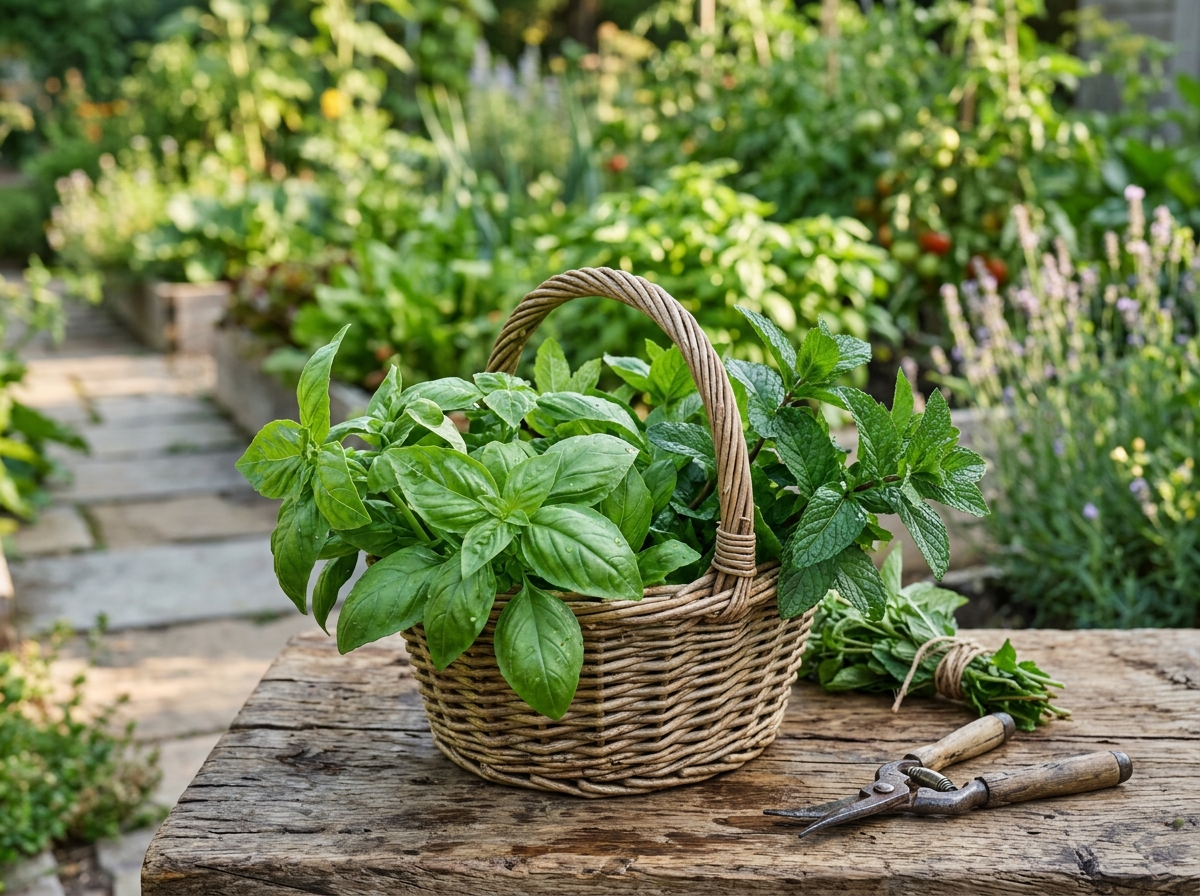
Essential Care for Your Beginner Herbs to Grow
To keep your beginner herbs to grow happy, you need to understand that not all herbs want the same thing. We generally categorize them into two groups: the “Sun-Bathers” (Mediterranean) and the “Water-Lovers” (Soft Herbs).
| Group | Herbs | Water Needs | Soil Preference |
|---|---|---|---|
| Mediterranean | Rosemary, Sage, Oregano, Thyme | Low (Let dry out) | Sandy, gritty, well-draining |
| Moisture-Loving | Basil, Parsley, Mint, Chives, Cilantro | Medium (Keep damp) | Rich, loamy, compost-heavy |
Most herbs require at least 6 hours of direct sunlight daily to produce the essential oils that give them their flavor. If they don’t get enough light, they become “leggy”—tall and spindly with very few leaves. For the best results, always use a high-quality organic-soil-for-herbs and follow our tips-for-watering-herbs to avoid common pitfalls.
Light and Temperature Requirements
Most culinary herbs prefer temperatures between 65-70°F, which happens to be the temperature most of us keep our homes! If you are growing-basil-indoors-2, window glass can magnify heat in the summer and radiate cold in the winter. If your windowsill isn’t bright enough, a simple LED grow light can make a world of difference.
Watering and Soil Drainage
The number one killer of indoor herbs is root rot caused by overwatering. Most beginners water their plants every day out of love, but this actually suffocates the roots. We recommend the “Finger Test”: stick your finger an inch into the soil. If it feels dry, water it. If it’s still moist, wait.
Always ensure your pots have drainage holes. Never use dense garden soil in a container; it’s too heavy and will pack down, preventing oxygen from reaching the roots. Instead, use a lightweight potting mix as suggested in our organic-herb-gardening-tips.
Choosing Your Setup: Indoor Windowsills vs. Outdoor Beds
One of the best things about beginner herbs to grow is that they are incredibly adaptable to your living situation. You don’t need a massive backyard to have a thriving herb garden.
The Benefits of Indoor Kitchen Gardens
An indoor garden offers unparalleled convenience. There is nothing quite like snipping fresh basil while your pasta sauce is simmering on the stove. This setup is perfect for small apartments or urban dwellers.
When setting up a kitchen-windowsill-herb-garden, focus on compact varieties. Chives, basil, and parsley are perfect candidates. Check out our indoor-herb-garden-ideas for creative ways to use vertical space, especially if you are working with an herb-garden-in-small-spaces.
Transitioning to Outdoor Raised Beds
If you have a balcony or a yard, moving your herbs outdoors can lead to much larger harvests. Outdoor plants benefit from better airflow and natural sunlight. However, you can’t just toss an indoor plant outside; you must “harden it off” by gradually exposing it to outdoor conditions over a week.
In our organic-herb-gardening-tips-2 guide, we emphasize the importance of spacing. Outdoor herbs like rosemary and sage can grow quite large, so give them room to breathe to prevent fungal diseases.
How to Harvest and Prevent Your Herbs from Bolting
The most important rule of herb gardening is this: The more you harvest, the more they grow. According to How to Start an Herb Garden, regular pruning prevents the plant from becoming “woody” and encourages it to produce fresh, tender leaves.
When harvesting-herbs-at-home, follow the 1/3 Rule: never remove more than one-third of the plant’s foliage at one time. This ensures the plant has enough energy to recover and continue growing. Always snip just above a leaf node (where new leaves are sprouting) to encourage the plant to branch out and become bushier.
Managing Aggressive Beginner Herbs to Grow
As mentioned, mint is a rebel. To keep it under control, growing-mint-at-home requires a physical barrier. If you must plant it in the ground, sink the entire pot into the earth to prevent the roots from escaping. Regular pruning is also essential to prevent it from becoming leggy and sparse.
Preventing Bolting in Cool-Season Herbs
“Bolting” is when a plant stops producing leaves and rapidly shoots up a flower stalk. This usually happens when the weather gets too hot. Once a plant bolts, the leaves often become bitter or lose their flavor.
Cilantro and dill are notorious for bolting as soon as temperatures hit the 70s. As we suggest for growing-basil-indoors-3, keep these plants well-watered and in a slightly cooler spot to delay this process. If they do flower, don’t worry! You can harvest the seeds (like coriander from cilantro) or let them go to seed to attract beneficial insects to your garden.
Frequently Asked Questions about Beginner Herbs to Grow
Should I start herbs from seeds or buy seedlings?
For absolute beginners, we recommend starting with seedlings (starter plants). They give you an immediate harvest and are much more resilient than tiny sprouts. However, herbs like basil, cilantro, and dill are very easy to grow from seed and can save you money if you want to grow a large volume.
Why are my herb leaves turning yellow?
Yellow leaves are usually a sign of overwatering or poor drainage. When roots sit in water, they can’t take up nutrients, leading to a “drowning” plant. Check your pot’s drainage and ensure you’re using a proper potting mix. Occasionally, it can also be a sign of a nutrient deficiency, which a half-strength organic fertilizer can fix. For more help, see our guide on pest-control-for-herb-gardens.
Which herbs are best for natural pest control?
Many beginner herbs to grow are excellent at keeping pests away. Chives deter aphids, while sage and rosemary have strong scents that confuse many common garden pests. Using 10-best-herbs-for-pest-control-to-save-your-garden is a great way to protect your vegetables naturally.
Conclusion
Starting your journey with beginner herbs to grow is the most rewarding way to enter gardening. By choosing resilient plants like mint, basil, and chives, you set yourself up for success from day one. Even the best gardeners lose a plant now and then—it’s all part of the learning process!
At Ponto de Arte, we are passionate about helping you protect your harvest. Our specialized pest management solutions are designed specifically for aromatic herb gardens, ensuring your plants stay healthy without the need for harsh chemicals. Whether you are battling aphids on your basil or mildew on your chives, we have the expertise to help your garden thrive.
Ready to take your garden to the next level? Explore more of our organic-tips and join our community of successful home growers today!
