
Why Bugs Love Your Indoor Herb Garden (And How to Stop Them)
How to keep bugs off indoor herbs comes down to a handful of key habits:
- Inspect weekly – Check leaf undersides and soil for early signs of pests
- Use sterile potting mix – Avoid contaminated garden soil that carries eggs and larvae
- Don’t overwater – Moist soil attracts fungus gnats and promotes root rot
- Quarantine new plants – Isolate any new herb for 1-2 weeks before placing it near others
- Treat naturally – Use neem oil, insecticidal soap, or garlic spray for edible-safe pest control
- Improve airflow – Space plants out and keep air moving to deter mites and mealybugs
You planted basil. You watered it carefully. You put it in a sunny spot. Then one day you notice tiny dots moving on the leaves, or a cloud of small flies rising from the soil when you water.
Sound familiar?
Indoor herb gardens are wonderful – but they come with a catch. Indoors, pests have fewer options and no natural predators. That means once they find your herbs, they tend to stick around and multiply fast.
The good news? Most indoor herb pest problems are completely preventable – and even active infestations can usually be beaten without harsh chemicals.
This guide walks you through everything: identifying what’s bugging your herbs, stopping pests before they start, and treating infestations safely so your herbs stay fresh and edible.

Identifying Common Pests in Your Indoor Herb Garden
Before we can fight back, we need to know who the enemy is. Because we are dealing with edible plants, identification is the first step toward choosing a safe treatment. According to the Managing insects on indoor plants | UMN Extension guide, early detection is the absolute key to keeping your kitchen garden thriving.
Here are the usual suspects we encounter in indoor herb setups:
- Aphids: These are tiny, pear-shaped insects that can be green, black, or yellow. They love to cluster on new, tender growth and the undersides of leaves. They suck the sap out of your herbs, causing leaves to curl and yellow.
- Spider Mites: These aren’t technically insects; they are arachnids. They are so small they look like moving dust. If you see fine webbing between stems or “stippling” (tiny yellow or white dots) on the leaves, you likely have mites.
- Fungus Gnats: These look like tiny black mosquitoes flying around the soil. While the adults are mostly a nuisance, their larvae live in the soil and munch on delicate herb roots.
- Mealybugs: These look like tiny bits of white cotton stuck to the stems or leaf joints. They are slow-moving but can quickly drain a plant’s energy.
- Whiteflies: If you brush against your mint and a cloud of tiny white “moths” flies up, you’ve got whiteflies. Like aphids, they hide on leaf undersides.
- Scale Insects: These look like small, hard bumps on stems. They don’t move much, making them hard to spot until the infestation is heavy.
- Thrips: Very tiny, slender insects that leave silvery streaks or dark “frass” (poop) on the leaves.
Comparison of Common Indoor Herb Pests
| Pest | Appearance | Primary Damage | Location |
|---|---|---|---|
| Aphids | Small, soft-bodied, pear-shaped | Curled leaves, sticky residue | New growth, leaf undersides |
| Spider Mites | Microscopic, reddish or tan | Yellow stippling, fine webbing | Underside of leaves |
| Fungus Gnats | Tiny black flies | Root damage (larvae), annoyance | Soil surface, near base |
| Whiteflies | Tiny white winged insects | Yellowing, stunted growth | Undersides of leaves |
| Mealybugs | White, waxy, cotton-like | Wilting, distorted stems | Stem joints, leaf axils |
Visual cues for early detection
We always recommend keeping a magnifying glass near your herb pots. Most of these pests are smaller than a grain of rice! Look for honeydew residue, which is a shiny, sticky substance left behind by aphids, whiteflies, and scale. If your windowsill feels sticky, you have a pest problem.
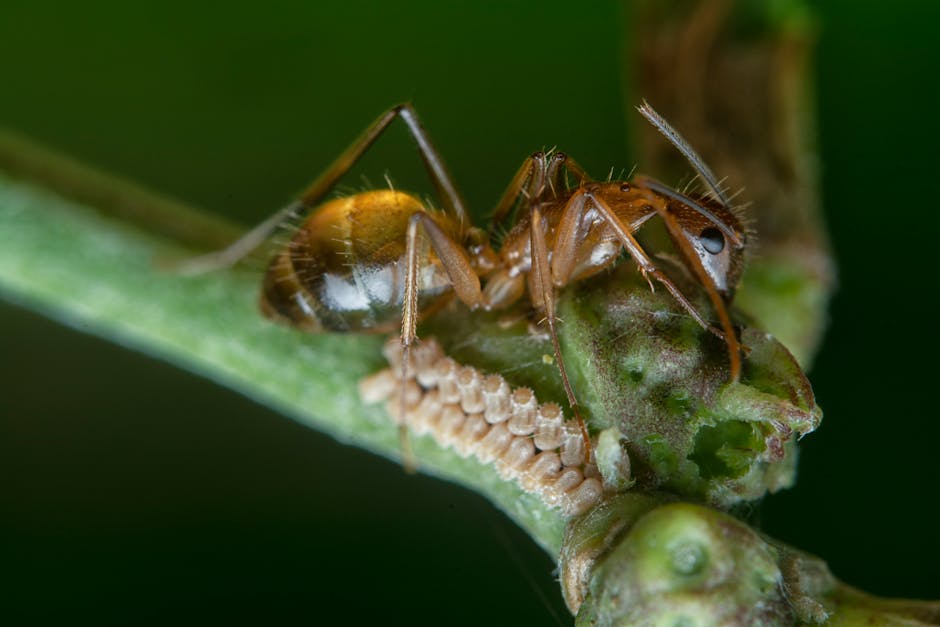
Also, keep an eye out for distorted growth. If your basil leaves are coming out twisted or your rosemary tips look “burnt” without a change in light, check for thrips or aphids immediately.
Distinguishing between gnats and fruit flies
It’s a common mistake: you see a fly in the kitchen and assume it’s a fruit fly. However, if they are hanging around your pots, they are likely fungus gnats.
- Fungus Gnats are attracted to moisture and decaying organic matter in the soil. They are sluggish fliers and tend to stay near the plants.
- Fruit Flies are attracted to ripening fruit and vinegar. They are faster, usually have reddish eyes, and won’t care about your soil unless it’s full of rotting fruit scraps.
If you see tiny clear larvae with black heads in the top inch of your soil, those are fungus gnat babies, and they are a sign that your soil is staying too wet.
How to Keep Bugs Off Indoor Herbs Through Prevention
The best way to manage pests is to never let them move in. In our experience at Ponto de Arte, we’ve found that a healthy plant is its own best defense. Stressed plants release chemicals that actually signal “dinner time” to nearby bugs.
To start on the right foot, always use a high-quality organic-soil-for-herbs. Never use soil from your outdoor garden; it is teeming with microscopic eggs and larvae that will explode in population once they hit the warmth of your kitchen.
Best practices for how to keep bugs off indoor herbs
Success starts with the environment. Most herbs, especially Mediterranean varieties like rosemary and thyme, hate “wet feet.”
- Watering Schedules: Only water when the top inch of soil feels dry. Overwatering is the #1 cause of fungus gnat outbreaks.
- Proper Drainage: Ensure your pots have holes. If you have a decorative pot without holes, keep the herb in a plastic “nursery” liner inside the decorative one.
- Lighting: Herbs need a lot of light—usually 6 to 8 hours. A weak plant in a dark corner is an easy target for spider mites. If your kitchen is dim, consider a kitchen-windowsill-herb-garden setup with supplemental LED grow lights.
- Air Circulation: Don’t crowd your pots. Insects love stagnant, humid air. Space them out so leaves aren’t touching.
The importance of quarantine and inspection
Whenever we bring a new plant home from a nursery, we treat it like a stranger at the door. It might look healthy, but there could be spider mite eggs hiding in the leaf joints.
- Isolate: Keep new plants in a separate room for 7–14 days.
- Inspect: Use that magnifying glass! Check the root ball and the undersides of leaves.
- Clean: Even if it looks clean, wipe the leaves down with a damp cloth. This simple act can remove hitchhiking pests before they multiply.
- Sterilize: If you are reusing old pots, scrub them with a 10% bleach solution to kill any lingering pathogens or eggs. For more detailed tips, check out our guide on pest-control-for-herb-gardens.
Safe and Natural Remedies for Edible Herbs
Since you plan on eating these herbs, we never recommend harsh synthetic pesticides. You don’t want to garnish your pasta with residual chemicals! Fortunately, nature provides plenty of ways to say “keep out” to bugs. For those just starting, our natural-pest-control-for-beginners resource is a great place to dive deeper.
Using organic sprays for how to keep bugs off indoor herbs
When prevention fails, it’s time for organic intervention.
- Neem Oil: This is the “gold standard” for indoor gardening. It’s an oil from the neem tree that disrupts the life cycle of insects, preventing them from feeding or reproducing. Mix 1 teaspoon of pure neem oil and 1/2 teaspoon of mild dish soap into a quart of warm water.
- Insecticidal Soap: This works by smothering soft-bodied insects like aphids and whiteflies. You can buy it premade or make a diy-organic-pesticides-for-home-gardeners version using a tablespoon of Castile soap in a gallon of water.
- Garlic Spray: Pests hate the smell of garlic as much as we love it. Puree two bulbs of garlic with a little water, let it sit overnight, strain it, and mix the liquid into a gallon of water. It’s a fantastic repellent.
- Diatomaceous Earth (DE): This is a fine powder made of fossilized algae. To us, it feels like flour; to an insect, it’s like walking over broken glass. Sprinkle it on the soil surface to stop fungus gnats and crawling insects.
Pro Tip: Always test a spray on one or two leaves first. Wait 24 hours to ensure the herb isn’t sensitive to the oil or soap. Also, apply sprays in the evening or when the lights are off to prevent “leaf burn” from the sun magnifying through the liquid.
Biological controls and companion planting
Can plants help each other? Absolutely. While the idea that one plant “protects” another is sometimes debated, many aromatic herbs naturally repel certain pests. According to research on Do Indoor Houseplants Really Repel Pests?, aromatic compounds like menthol in mint can deter aphids and ants.
If you have a large indoor setup, you can even buy beneficial insects like ladybugs or lacewings. However, releasing 500 ladybugs in your kitchen might be a bit much for most people! Instead, focus on “companion planting” by keeping pungent herbs like chives or mint near more “delicious” plants like basil to confuse the pests’ sense of smell.
Step-by-Step Guide to Treating Infestations
If you find a colony of aphids on your cilantro, don’t panic. Follow these steps to reclaim your garden:
- Isolation: Immediately move the infested plant away from your healthy ones.
- Physical Removal: For a light infestation, take the plant to the sink. Use a gentle but steady stream of room-temperature water to wash the bugs off the leaves. This is surprisingly effective for aphids and spider mites.
- Pruning: If one branch is heavily covered in mealybugs or scale, just cut it off. Pruning actually encourages many herbs to grow back bushier. For tips on specific herbs, see our guide on growing-basil-indoors.
- Treatment: Apply your chosen organic spray (neem or soap). Be sure to get the undersides of the leaves—that’s where 90% of the bugs hide!
- Clean the Area: Wipe down the windowsill or shelf with soapy water. Eggs can sometimes hide in the cracks of the wood or on the outside of the pot.
Managing severe outbreaks
Sometimes, despite our best efforts, a plant becomes a “lost cause.” If a herb is more than 50% covered in pests or looks severely stunted and yellow, it might be time to discard it.
- When to Toss: If you see “root aphids” or a massive scale infestation that won’t budge, it’s safer to bag the plant and throw it in the outside trash than to risk it spreading to your entire collection.
- Repotting: If you have fungus gnats that won’t die, you can try repotting. Gently wash all the old soil off the roots and place the herb in fresh, sterile mix.
Long-term monitoring and maintenance
The secret to a bug-free kitchen is consistency. We recommend a “Weekly Wellness Check.”
- Sticky Traps: Use yellow sticky cards tucked into the soil. They catch adult gnats and whiteflies, but more importantly, they act as an “early warning system.” If you see three gnats on the card, you know it’s time to let the soil dry out.
- Hygiene: Remove dead leaves from the soil surface immediately. Rotting leaves are a five-star hotel for fungus gnats.
- Leaf Washing: Once a month, give all your herbs a “shower” in the sink to remove dust. Dust provides a perfect hiding spot for spider mites. For more on this, explore natural-pest-control-methods-for-organic-gardening.
Frequently Asked Questions about Indoor Herb Pests
Why is softened water bad for my herbs?
Most water softeners use sodium (salt). Over time, this salt builds up in the potting mix, causing “salt burn” on the roots. This stresses the plant, making it much more susceptible to pest attacks. If you have a water softener, try to use water from an outside tap or a filtered pitcher instead.
How often should I check my herbs for bugs?
We suggest a thorough check once a week. Pick up the pot, look at the bottom (where thrips often hide), and flip over a few leaves. It only takes 30 seconds per plant but can save you weeks of headache.
Are herbs safe to eat after a pest infestation?
Yes! As long as you haven’t used toxic chemicals. If you’ve used neem oil or insecticidal soap, simply wash the herbs thoroughly in cool water before eating. Neem oil has a bit of a funky smell, so a good rinse ensures your pesto doesn’t taste like a tree.
Conclusion
Growing your own flavors is one of the most rewarding parts of a modern kitchen. While the battle of how to keep bugs off indoor herbs is ongoing, it’s a fight you can easily win with a little bit of observation and the right organic tools.
At Ponto de Arte, we specialize in helping urban gardeners protect their aromatic treasures. Whether you are dealing with a stubborn gnat problem or just want to set up your first windowsill garden for success, we are here to help. For more tips on thriving in small spaces, check out our More info about urban gardening services page.
Happy gardening—and keep those leaves green!
