
When Spider Mites Attack Your Sage: What You Need to Know
Sage spider mite oil is one of the most effective organic solutions for killing spider mites on sage plants. Here’s a quick overview of how to use it:
- Identify the infestation – Look for fine webbing, speckled leaves, and yellowing on your sage.
- Make your spray – Blend fresh sage leaves with water, soak, strain, and dilute.
- Apply thoroughly – Spray all leaf surfaces, especially undersides, every 5-7 days.
- Repeat for 3+ weeks – This breaks the mite life cycle and prevents re-infestation.
You step outside to check on your herb garden. Your sage looks a little dull. The leaves seem faded, almost dusty. You lean in closer and spot something alarming — tiny webs clinging to the undersides of the leaves.
Spider mites.
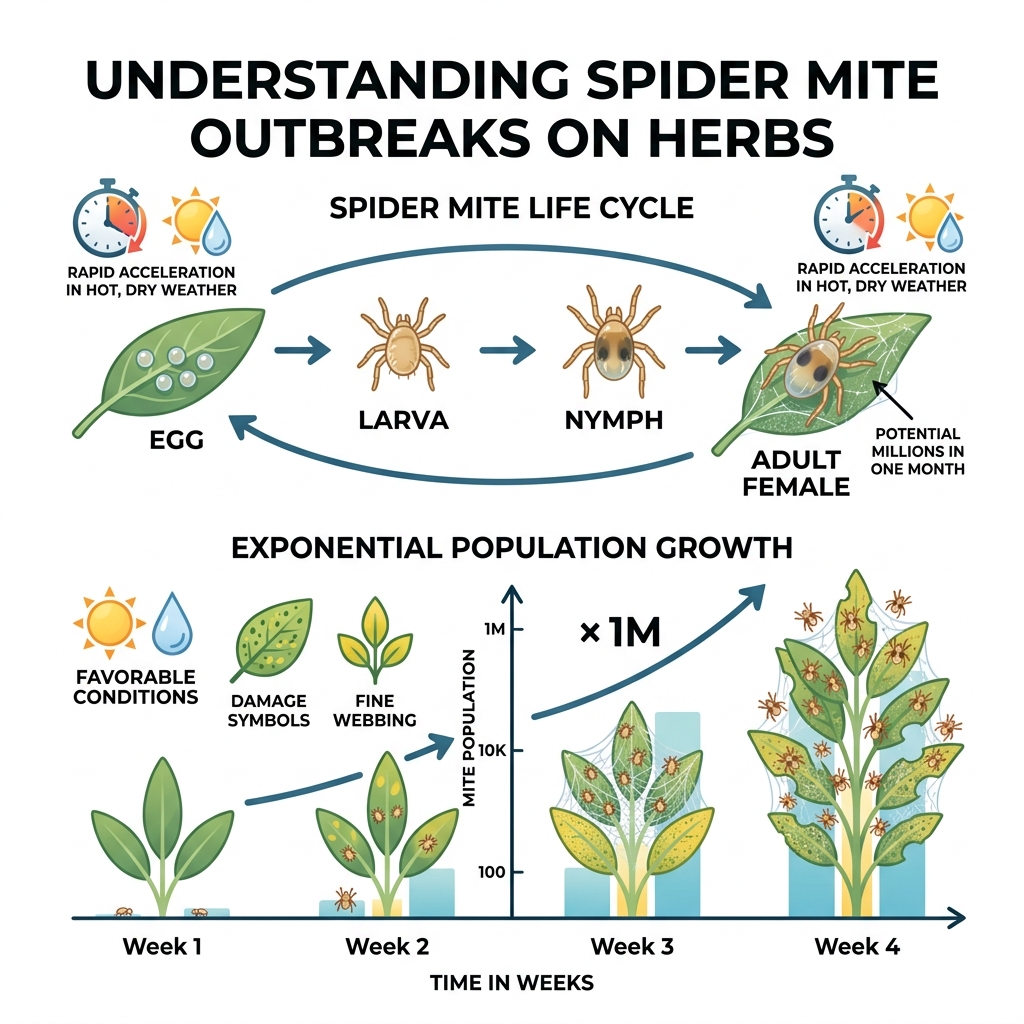
These near-invisible pests are among the most frustrating problems for herb gardeners. They are not insects — they’re arachnids, related to spiders and ticks. And they reproduce fast. A single female spider mite can produce around one million offspring in just one month.
What makes sage plants a particular target is the hot, dry conditions they love to grow in. Those same conditions are exactly what spider mites thrive in. It’s an unfortunate overlap.
The good news? Nature offers a solution hiding in plain sight — the sage plant itself. The aromatic compounds that give sage its distinctive smell are also natural mite-fighters.
This guide walks you through everything: how to spot the damage early, how to make and use sage-based oil sprays, and how to keep mites from coming back.
Understanding the Threat: Why Sage Spider Mites Are a Problem
At Ponto de Arte, we specialize in protecting aromatic herb gardens, and we have seen how devastating a spider mite outbreak can be. The primary culprit is usually the Twospotted Spider Mite (Tetranychus urticae), a tiny arachnid that measures only about 1/50th of an inch. To the naked eye, they look like moving dust motes, but under a magnifying glass, you’ll see eight legs and a translucent body with two dark spots.
Why is sage so susceptible? Sage (Salvia officinalis) thrives in well-drained soil and full sun. These “Mediterranean” conditions often lead to lower humidity around the foliage. Spider mites absolutely adore hot, dry weather. When temperatures climb above 90°F, their life cycle accelerates; a colony can explode in size in less than two weeks.
Identifying the Damage
The first sign of trouble isn’t usually the mite itself, but the damage it leaves behind.
- Stippling: Mites use piercing-sucking mouthparts to drain individual plant cells. This creates tiny white or yellow “stipples” (specks) on the leaf surface.
- Yellowing and Bronzing: As the feeding continues, the leaves lose their vibrant green color, turning yellow or taking on a “bronzed” metallic appearance.
- Webbing: In heavy infestations, you will see fine, downy webbing bridging the gaps between leaves or covering the stems. This silk protects the mites and their eggs from predators and environmental stress.
- Leaf Drop: If left untreated, the sage plant will eventually drop its leaves and may die entirely.
If you aren’t sure what you’re looking at, try the “white paper test.” Hold a sheet of white paper under a sage branch and tap the foliage sharply. If the “dust” that falls onto the paper starts crawling, you have mites. For more help with identification, check out our guide on identifying the little black bugs eating your herbs or learn more about other sap-suckers in your herb garden. You can also find specific insights on why common sage attracts these pests.

What is Sage Spider Mite Oil and How Does It Work?
When we talk about sage spider mite oil, we are referring to a botanical extract derived from the sage plant itself, often combined with other horticultural oils or soaps. Sage is a member of the Lamiaceae (mint) family, and its leaves are packed with potent chemical defenses.
The Power of Terpenes
Sage contains active compounds like thujone, terpenes, terpenoids, and ketones. In the wild, the plant produces these to discourage herbivores from eating it. When we concentrated these into a spray, they became a formidable weapon against soft-bodied pests.
Mode of Action
How does it actually kill the mites? It works through three primary mechanisms:
- Smothering: Like most horticultural oils, the mixture coats the mites and blocks their breathing holes (spiracles), leading to suffocation.
- Repellency: The strong aromatic odors of sage act as a natural deterrent, making the plant less attractive to wandering mites.
- Systemic Acquired Resistance (SAR): Interestingly, certain botanical treatments can trigger a plant’s internal immune system. By applying these extracts, we can help the sage plant “prime” its own defenses.
Research from ATTRA Sustainable Agriculture suggests that crude plant extracts can achieve high mortality rates. For example, some botanical formulations have achieved up to 99% mortality of both adult mites and eggs! Using these natural methods is a cornerstone of natural pest control for beginners and highlights why sage is one of the 10 best herbs for pest control.
Step-by-Step Guide to Making and Applying Sage Spider Mite Oil
Making your own sage spider mite oil is a rewarding way to manage your garden sustainably. It’s “not exactly rocket science,” as some old-school gardeners like to say, but it does require a bit of patience.
Preparing Your Homemade Sage Spider Mite Oil Spray
This recipe is inspired by effective “mint tea” sprays used by organic growers. It uses the natural chemistry of the mint family to disrupt mite populations.
What You’ll Need:
- 1 cup of fresh sage leaves (tightly packed)
- 1 gallon of water (distilled or filtered is best)
- 1 tablespoon of fresh aloe vera juice (activates plant immunity)
- 1 tablespoon of liquid castile soap (acts as an emulsifier)
- Optional: 1 tablespoon of freshly grated ginger (adds an extra kick of repellency)
The Process:
- Blend: Place the sage leaves and a small amount of water in a blender. Pulse until you have a smooth, green paste.
- Soak: Add the paste to one gallon of water. Let it sit for no more than 24 hours. Warning: Do not let it ferment, as this can change the chemical profile and make it less effective.
- Strain: Use a fine mesh strainer or cheesecloth to remove all solids. You want a clean liquid that won’t clog your sprayer.
- Emulsify: Add your liquid soap and aloe vera. Stir gently to combine.
- Dilute: For a maintenance spray, you can dilute this mixture 1:3 with more water. For an active infestation, use it at full strength.
For more DIY ideas, see our article on organic pesticides for home gardeners or our comprehensive pest control guide for herb gardens.
Safe Application of Sage Spider Mite Oil on Herbs
Application is just as important as the recipe. If you don’t hit the mites where they live, the spray won’t work.
- Target the Undersides: Spider mites live and lay their eggs on the bottom of the leaves. Ensure your nozzle is angled upward to soak the undersides thoroughly.
- Timing is Key: Never spray in the heat of the day or under direct, intense sunlight. This can cause “phytotoxicity” (burning the leaves). Aim for early morning or late evening.
- Test First: Before coating your entire plant, spray one small leaf and wait 24 hours to ensure there is no adverse reaction.
- The 3-Week Rule: Because sprays often miss some eggs, you must repeat the application every 5 to 7 days for at least three weeks. This ensures you catch the new generation as they hatch, effectively breaking the life cycle.
Following these organic care tips for healthy plants will help your sage recover quickly from the stress of the infestation.
Comparing Sage Oil to Neem Oil and Insecticidal Soaps
Many gardeners wonder if they should stick to sage spider mite oil or reach for a bottle of neem oil. Each has its place in an Integrated Pest Management (IPM) strategy.
| Feature | Sage Oil Spray | Neem Oil | Insecticidal Soap |
|---|---|---|---|
| Active Ingredient | Terpenes/Thujone | Azadirachtin | Potassium Salts |
| Primary Action | Smothering & Repellent | Growth Regulator | Membrane Disruption |
| Residual Effect | Low (Biodegradable) | Moderate | None (Contact only) |
| Best For | Culinary Herbs | Long-term Control | Quick Knockdown |
| Safety | High (Food grade) | High (Organic) | High |
Neem Oil is excellent because it acts as an insect growth regulator, preventing larvae from maturing. However, it can sometimes leave a strong taste on herbs if used too close to harvest. Insecticidal Soaps are great for immediate contact kills but have no lasting effect.
According to the UC IPM guidelines, neem oil is highly effective but should be used when mite counts are low (around 3 mites per leaf). For edible sage, our homemade sage spider mite oil is often the preferred choice because it utilizes the plant’s own chemistry, maintaining the flavor profile we love. You can read more about natural pest control methods here.
Preventive Measures and Long-Term Mite Management
The best way to deal with spider mites is to make sure they never want to move in. At Ponto de Arte, we believe a healthy plant is the best defense.
- Boost Humidity: Mites hate moisture. Regularly misting your plants or hosing down the foliage with a sharp stream of water can dislodge mites and keep the environment hostile for them.
- Encourage Predators: Not all “bugs” are bad. Ladybugs, lacewings, and predatory mites like Phytoseiulus persimilis are the natural enemies of spider mites. Avoid broad-spectrum chemical pesticides that kill these “good guys.”
- Water and Mulch: Stressed plants are more attractive to pests. Ensure your sage gets about an inch of water per week and use mulch to keep the roots cool and the soil moisture consistent.
- Quarantine: Never bring a new plant into your garden without a 14-day “time-out.” Inspect it thoroughly for signs of webbing before placing it near your established herbs.
- Cleanliness: Remove weeds and debris around your garden, as these can serve as “overwintering” sites for mite eggs.
For more long-term strategies, check out our organic care tips for healthy plants or follow the Smart Gardener plant guide.
Frequently Asked Questions about Sage Spider Mite Oil
Can I use sage spider mite oil on other edible plants?
Yes! Because the ingredients are natural and food-grade, this spray is safe for most edible herbs and vegetables. It is particularly effective on other members of the mint family, like rosemary, thyme, and peppermint. Always do a patch test on delicate leaves like lettuce or basil first.
Is sage oil safe for pets and beneficial insects?
Generally, yes. When diluted properly, sage oil is much safer than synthetic chemicals. However, thujone (found in sage) can be sensitive for some pets in very high concentrations. As for beneficial insects, the spray works primarily on contact. Once it dries, it is much less harmful to bees and ladybugs than residual chemical pesticides.
How often should I reapply the oil to ensure the mites are gone?
To truly break the life cycle, you must be persistent. Reapply every 5 to 7 days. If the weather is extremely hot (over 90°F), consider reapplying every 3 to 4 days, as the mites hatch and mature much faster in the heat. Continue this for at least three consecutive weeks.
Conclusion
Dealing with spider mites can feel like a losing battle, but with sage spider mite oil, you have a powerful, organic ally. By understanding the biology of these tiny pests and utilizing the natural defenses of the sage plant, you can restore your herb garden to its former glory without resorting to harsh chemicals.
At Ponto de Arte, we are dedicated to helping you maintain a thriving, aromatic garden. Whether you are dealing with a current infestation or looking for preventive measures, our specialized focus on herb protection ensures your culinary plants remain healthy and delicious.
For more information on protecting your garden, explore our spice pest control services and join our community of organic gardeners today! Keep those plants healthy, keep the humidity up, and don’t let the mites win. Happy gardening!
