
Why Garden Plants That Repel Insects Belong in Every Home Garden
Garden plants that repel insects are one of the most effective, chemical-free ways to protect your herbs and flowers from common pests. Here’s a quick overview of the most popular options:
| Plant | Key Pests Repelled |
|---|---|
| Basil | Mosquitoes, flies, aphids, tomato hornworms |
| Marigolds | Nematodes, whiteflies, squash bugs |
| Lavender | Mosquitoes, moths, fleas, flies |
| Rosemary | Japanese beetles, carrot flies, slugs, snails |
| Lemongrass | Mosquitoes, lice, fleas, gnat |
| Mint | Aphids, mosquitoes, ants, mice |
| Catnip | Mosquitoes, cockroaches, flies |
| Chrysanthemums | Aphids, ticks, spider mites, Japanese beetles |
| Garlic | Aphids, spider mites, mosquitoes |
Bugs don’t just damage plants. In an aromatic herb garden, they can destroy the very thing you’re growing for — the fragrance, the flavor, the experience.
The good news? Nature already built the solution into certain plants.
Many common garden plants produce strong scents, oils, and chemical compounds that insects find overwhelming or toxic. These natural defenses evolved to protect the plants themselves. But planted strategically, they protect your whole garden too.
No harsh sprays. No synthetic chemicals. Just smart planting.
The following sections break down exactly which plants work best, how they work, and where to put them for maximum effect.
How Garden Plants That Repel Insects Actually Work
To use nature’s toolkit effectively, we first need to understand the “why” behind the “how.” Plants aren’t just sitting there looking pretty; they are biological factories producing complex volatile oils and chemical compounds.
The Power of Volatile Oils and Masking Scents
The primary mechanism of repulsion is olfactory. Insects, especially mosquitoes and flies, rely on their sense of smell to find hosts or food sources. When we use garden plants that repel insects, we are essentially creating a “scent screen.” For example, scientific research on rosemary oil efficacy has shown that its pungent aroma doesn’t just turn off mosquitoes and flies; it can even interfere with the reproduction and hatchability of certain pests like ticks.
Linalool and Olfactory Overload
Lavender is a fan favorite for its soothing scent, but for a mosquito, it’s a nightmare. The secret lies in a compound called Linalool. Research on lavender and mosquitoes suggests that Linalool overloads the mosquito’s sensitive olfactory organs. Much like high-intensity chemical repellents, it makes it nearly impossible for the insect to track the carbon dioxide or heat signatures that lead them to a “meal.”
Natural Neurotoxins and Soil Chemicals
Some plants go beyond mere “stinkiness” and produce actual toxins.
- Pyrethrum: Found in chrysanthemums, this is a natural neurotoxin. It’s so effective that it is a primary ingredient in many organic and commercial pesticides. According to the fact sheet on chrysanthemum-derived pyrethrins, these compounds can kill or repel everything from ants and ticks to Japanese beetles.
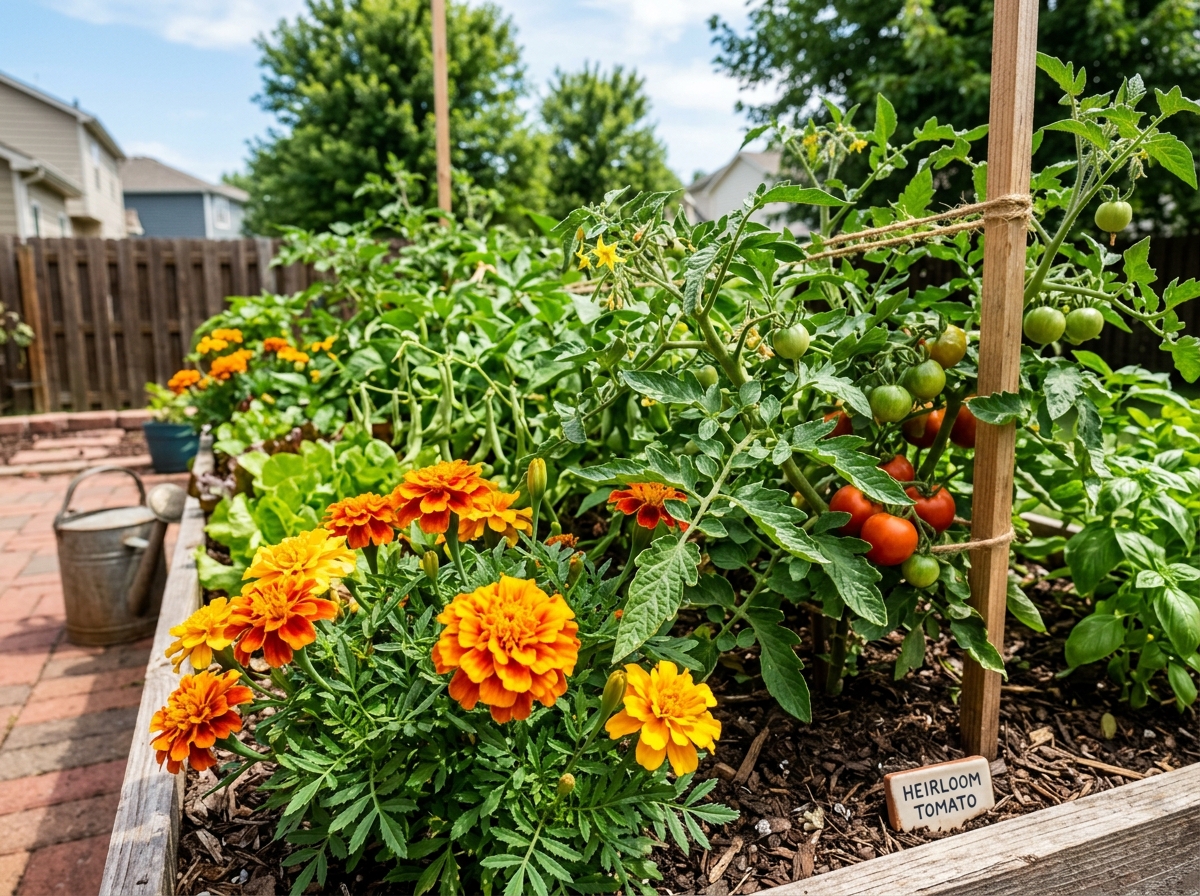
- Alpha-terthienyl and Limonene: Marigolds release alpha-terthienyl from their roots, which is toxic to root-knot nematodes in the soil. Above ground, they release limonene (the same stuff found in citrus), which masks the scent of nearby “tasty” plants like tomatoes, making them invisible to whiteflies.
By choosing these varieties, we are implementing natural pest control methods for organic gardening that work 24/7 without us lifting a finger.
The Best Garden Plants That Repel Insects for Your Landscape
Selecting the right plants depends on your specific “enemy list.” Whether you are battling aphids in your roses or mosquitoes on your patio, there is a botanical bodyguard for the job.
Basil: One of the Most Versatile Garden Plants That Repel Insects
Ocimum basilicum, or sweet basil, is more than just a pesto base. Research on basil toxicity to larvae has shown that certain compounds in basil are “highly toxic” to mosquito larvae, helping to reduce populations before they even take flight.
In the garden, basil is a powerhouse. It repels flies, mosquitoes, thrips, and the dreaded tomato hornworm. Interestingly, basil also attracts parasitoid wasps—tiny, beneficial insects that lay their eggs inside garden pests like cabbage white caterpillars, providing a secondary layer of biological control.
Marigolds: Colorful Garden Plants That Repel Insects and Nematodes
Marigolds (Tagetes) are the workhorses of the vegetable patch. Using marigolds to keep bugs away is a time-tested tradition.
- French Marigolds: These are best for repelling whiteflies and Mexican bean beetles.
- African Marigolds: These larger varieties are excellent for deterring squash bugs.
- Nematode Control: To truly clear your soil of nematodes, we recommend planting marigolds densely as a cover crop, then tilling them into the soil as “green manure” at the end of the season.
Lemongrass and Citronella Grass
Most people know citronella from candles, but the real deal comes from Cymbopogon species. More info on lemongrass and citronella reveals that these grasses contain high concentrations of citronella oil, which masks the scents mosquitoes use to hunt.
While these are tropical plants (Hardiness Zones 9-11), they make excellent container plants for those of us in cooler climates. You can even use the leaves to experiment with DIY organic pesticides for home gardeners, creating sprays that deter lice, fleas, and gnats.
Lavender and Rosemary
These perennial woody herbs are essential for any aromatic garden.
- Lavender: Repels moths, fleas, and flies. It’s perfect for planting near outdoor seating areas.
- Rosemary: This is a multi-purpose repellent. It deters cabbage moths and carrot flies in the veggie patch, while its woody scent confuses mosquitoes. Both plants are drought-tolerant and love full sun, making them low-maintenance additions to your landscape.
For those of us focusing on edible yields, we have a specialized guide on pest control for herb gardens to help you keep these culinary treasures bug-free.
Strategic Placement and Companion Planting Techniques
Simply buying the plants isn’t enough; you have to put them where they can do the most work. In our experience, strategic placement is the difference between a buggy yard and a peaceful sanctuary.
Borders and Entryways
To keep pests out of your home, we suggest planting “sentinel” plants near windows and doorways. Society Garlic and Lemon Verbena are excellent choices here. Society garlic doesn’t just repel fleas and ticks; its heavy scent can even deter larger visitors like cats, deer, and snakes.
The “Trap Crop” Strategy
Sometimes, the best way to protect a plant is to give the bugs something else to eat. This is called trap cropping.
- Nasturtiums: These act as a magnet for aphids. By planting them 8-12 feet away from your precious herbs, the aphids will flock to the nasturtiums, leaving your main crop alone.
- Radishes: These can lure flea beetles away from more sensitive greens.
Attracting the “Good Guys”
A healthy garden isn’t one with zero insects; it’s one with a balance of insects. Many garden plants that repel insects also attract beneficial predators. For example:
- Dill and Parsley: These attract hoverflies and predatory wasps that eat aphids.
- Borage: Often called the “bee bread,” it brings in pollinators while strengthening the pest resistance of nearby tomatoes.
If you are just starting out, check out our guide on natural pest control for beginners to learn how to layout your first protective garden bed.
Essential Care and Common Misconceptions
Before you run to the nursery, there are a few “gotchas” you should know about. Not every plant works the way the label might suggest.
The Citronella Myth
One of the biggest misconceptions in gardening is the “Citronella Plant” (Pelargonium citrosum). While it smells like citronella, it is actually a scented geranium. The truth about citronella plants is that simply having the plant sitting on your table won’t keep mosquitoes away. The repellent oils are only released when the leaves are rubbed or bruised. To get any benefit, you’d need to crush the leaves and rub them on your skin (after a patch test, of course!).
The Mint Invasion
Mint is a fantastic repellent for aphids, ants, and even mice. However, Mentha species are notoriously invasive. If you plant mint directly in the ground, it will likely take over your entire garden within two seasons. We always recommend keeping mint restricted to containers. If you want the benefits of mint without the “land grab,” consider Lesser Calamint, which is much better behaved.
General Maintenance for Potency
To keep your plants’ repellent properties high, they need to be healthy.
- Sun: Most aromatic herbs (Lavender, Rosemary, Basil) require at least 6-8 hours of full sun to produce those essential oils.
- Drainage: Most of these plants hate “wet feet.” Ensure your soil is well-draining or use raised beds.
- Hardiness: Know your USDA zone. While Rosemary is a hardy perennial in Zone 7, it will die in a Minnesota winter. For tender perennials like Lemongrass or Scented Geraniums, you’ll need to take cuttings to overwinter indoors.
Frequently Asked Questions about Pest-Repelling Plants
Do these plants work passively to keep mosquitoes away?
Generally, no. Most plants require the air to move through them or the leaves to be touched to release enough volatile oils to affect a large area. However, planting them in high-traffic areas where people brush against them (like walkways) helps release those scents naturally.
Which plants are toxic to pets or beneficial bees?
- Pets: Citronella plants and certain lilies can be toxic to dogs and cats. Always check a plant’s safety before adding it to a pet-accessible yard.
- Bees: While we want to repel pests, we must protect bees. Pyrethrum (from mums) is toxic to honey bees. Avoid spraying any homemade chrysanthemum-based repellents on flowers while bees are active.
Can I make my own repellent spray from these garden plants?
Absolutely! A popular recipe involves making a “Marigold Tea.” You pack two cups of marigold leaves and flowers into a jar, cover with water, and let it sit for two days. Strain it, add a drop of castile soap, and you have a preventative spray for aphids and caterpillars.
Conclusion
Creating a garden that works with nature rather than against it is the hallmark of sustainable gardening. By integrating garden plants that repel insects into your landscape, you aren’t just getting rid of pests—you’re building a vibrant, aromatic ecosystem that smells as good as it looks.
At Ponto de Arte, we believe that your herb garden should be a place of peace, not a battleground. Whether you are looking for specialized protection for your aromatic herbs or just want a mosquito-free patio, the solution is rooted in the soil.
Ready to transform your space? Start your urban gardening journey with us today and discover the joy of a chemical-free, fragrant home garden.
