Origami for Kids
How to Make a Paper Pinwheel That Spins in the Wind
Four cuts, four points to the center, and a pin. What separates a pinwheel that spins from one that sits still is the slack between the pin and the paper, and nothing else.
Origami for beginners, step by step
9 tutorials published
Four cuts, four points to the center, and a pin. What separates a pinwheel that spins from one that sits still is the slack between the pin and the paper, and nothing else.
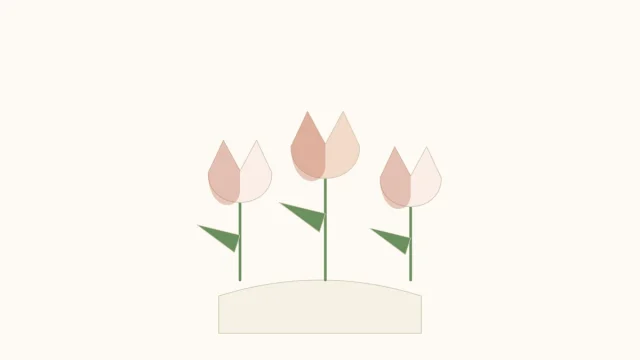
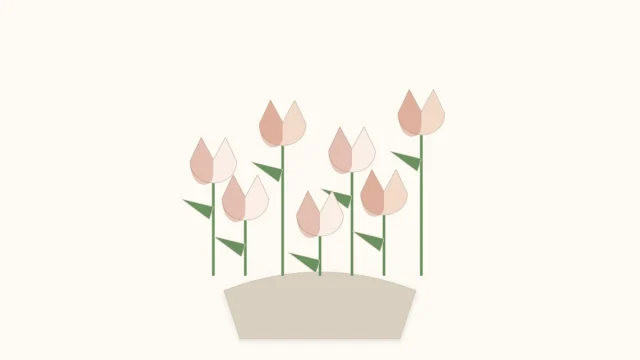
The flower comes from the waterbomb base and the stem from a second square, with a leaf that appears when you pull out the inner layer. The two pieces fit together without glue.
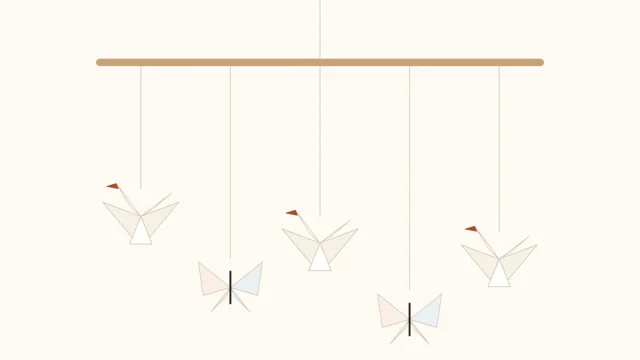
Balancing a mobile is simple geometry: even weight at the ends, thread at the center of mass. This guide covers piercing, knots, spacing, and how to keep the pieces from spinning into each other.
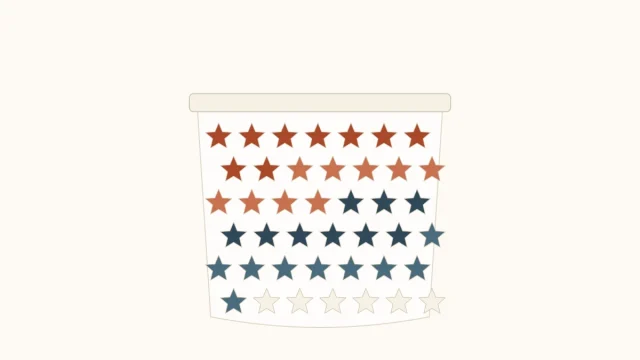
One knot, a few wraps, and a pinch on each of the five sides. A lucky star needs no square and no diagram: only strips of paper, and getting their size right changes everything.
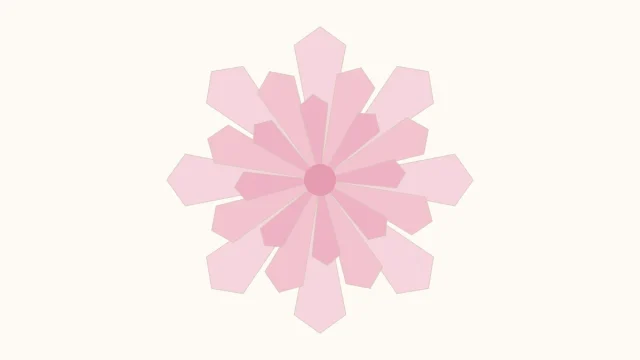
The lotus is repetition: the same move of folding the corners to the center, round after round, then turning the petals out one layer at a time. It works when the paper is thin and the center crease is light.
Folding the flowers is the easy part. What decides the result is the proportion between height and vase, an odd number of stems, and the trick of giving each flower a different height.
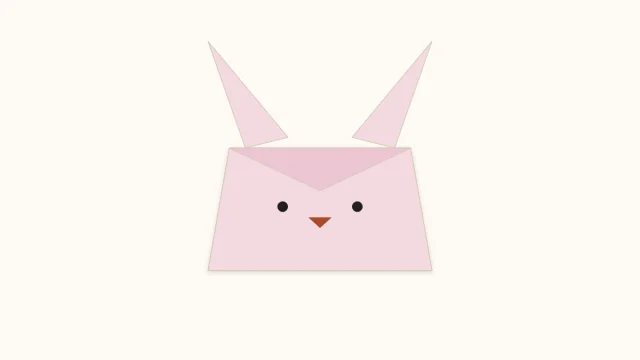
The bunny starts from a water bomb base and gets its volume from a single breath. It is the same principle as the traditional paper balloon, with two ears and a tweak at the nose.
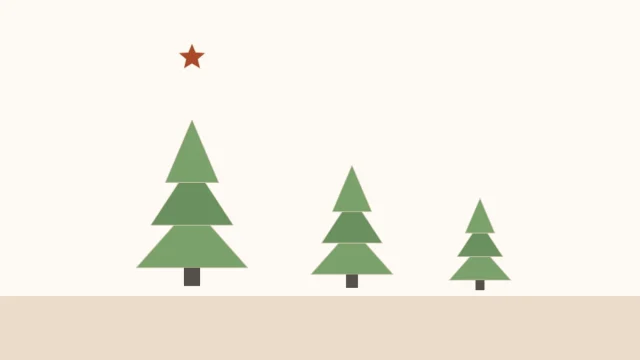
A tree that stands on its own, folded from a preliminary base, with tiered branches. In three sizes it becomes a small forest for the center of the table.
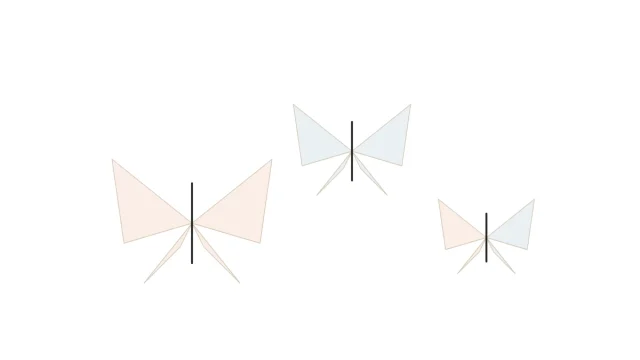
It comes out of the waterbomb base in a few minutes and looks great in a series. Includes the curved-wing variation, which adds volume, and ways to mount it on a wall without damaging the paper.