Origami for Kids
How to Make a Paper Pinwheel That Spins in the Wind
Four cuts, four points to the center, and a pin. What separates a pinwheel that spins from one that sits still is the slack between the pin and the paper, and nothing else.
Origami for beginners, step by step
15 tutorials published
Four cuts, four points to the center, and a pin. What separates a pinwheel that spins from one that sits still is the slack between the pin and the paper, and nothing else.
The newspaper hat is the halfway stage of the paper boat, and you can stop right there. Here are three versions (classic, pirate, and painter) and how to size the paper to fit a head.
The same toy answers to fortune teller, cootie catcher, and chatterbox. Eight folds, plus a list of ideas for filling the flaps that goes beyond the usual fortunes.
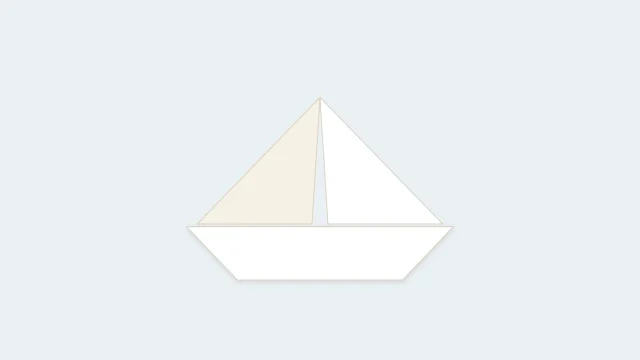
The paper boat starts from an ordinary rectangular sheet and teaches the open-and-flatten move that reappears in dozens of models. Includes the tweaks that keep it floating longer.
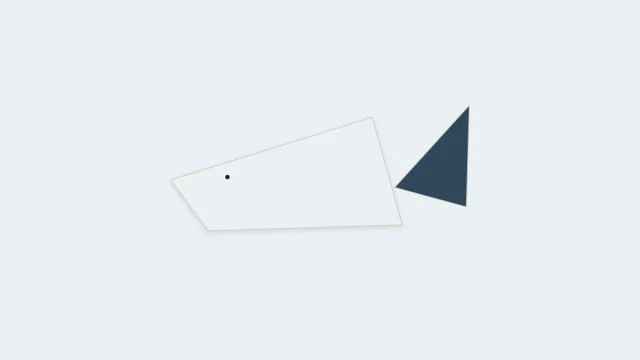
After the kite base, only three moves remain: fold it in half, raise the tail, and shape the fluke. Change the tail angle and the same model becomes a fish.
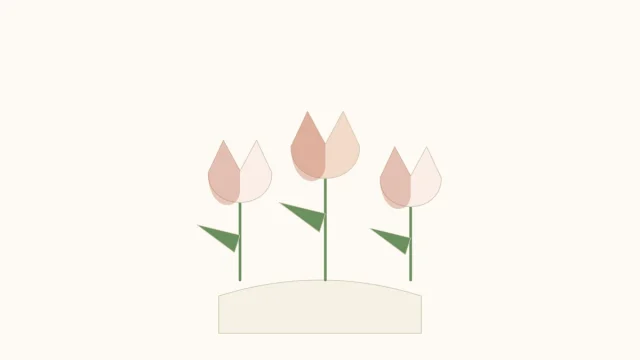
The flower comes from the waterbomb base and the stem from a second square, with a leaf that appears when you pull out the inner layer. The two pieces fit together without glue.
Six folds, no glue, and an object that really works for a few minutes. It is the model that best shows why lining up your points matters so much.
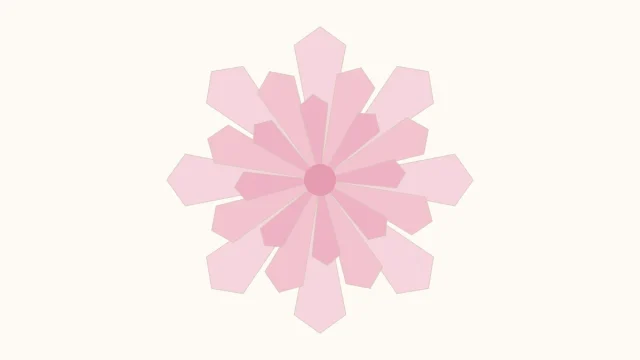
The lotus is repetition: the same move of folding the corners to the center, round after round, then turning the petals out one layer at a time. It works when the paper is thin and the center crease is light.
The jump depends on an accordion pleat at the back and on the weight of the paper. This guide explains both, plus the adjustment that makes the frog hop forward and not spin in place.
The bunny starts from a water bomb base and gets its volume from a single breath. It is the same principle as the traditional paper balloon, with two ears and a tweak at the nose.
The difference between the dog and the cat is the angle of the ears and one fold at the chin. Just a few folds for each, none of them demanding pinpoint precision.
The origami crane calls for two bases and a pair of petal folds, and that is where most people quit. This guide separates each stage and covers the three places the model tends to come out crooked.