Origami Tulip with Stem: Flower and Stalk Step by Step
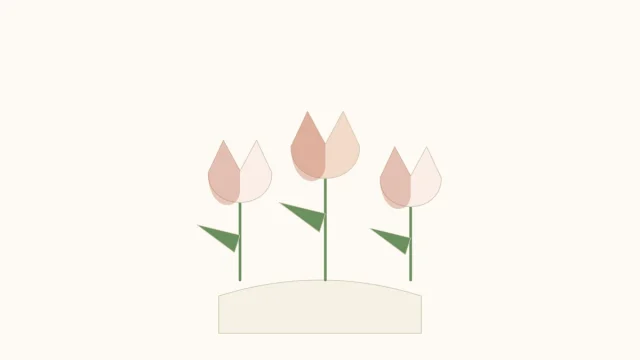
The flower comes from the waterbomb base and the stem from a second square, with a leaf that appears when you pull out the inner layer. The two pieces fit together without glue.
Origami for beginners, step by step
7 tutorials published
The flower comes from the waterbomb base and the stem from a second square, with a leaf that appears when you pull out the inner layer. The two pieces fit together without glue.

One knot, a few wraps, and a pinch on each of the five sides. A lucky star needs no square and no diagram: only strips of paper, and getting their size right changes everything.
A flat heart with just a few folds that glues onto a card, strings into a garland, and seals a folded note. Also shows where to write a message so it lands on the finished heart.
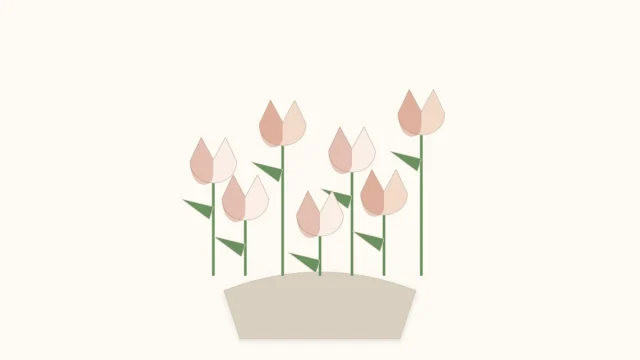
Folding the flowers is the easy part. What decides the result is the proportion between height and vase, an odd number of stems, and the trick of giving each flower a different height.
Two versions: a square one that closes with a locking flap, and a rectangular one that uses a full sheet of printer paper. Neither needs glue or tape.
The masu is the traditional Japanese paper box: straight walls, a firm floor, and no glue. The same sequence with a slightly larger square gives you the lid.
The corner bookmark is a triangular pocket that slips over the page. The base is the same for every variation, and it is the canvas for animals, monsters, or nothing at all.