How to Make an Origami Heart: Easy Step-by-Step Guide
A flat heart with just a few folds that glues onto a card, strings into a garland, and seals a folded note. Also shows where to write a message so it lands on the finished heart.
Origami for beginners, step by step
30 tutorials published
A flat heart with just a few folds that glues onto a card, strings into a garland, and seals a folded note. Also shows where to write a message so it lands on the finished heart.
Folding the flowers is the easy part. What decides the result is the proportion between height and vase, an odd number of stems, and the trick of giving each flower a different height.
Two versions: a square one that closes with a locking flap, and a rectangular one that uses a full sheet of printer paper. Neither needs glue or tape.
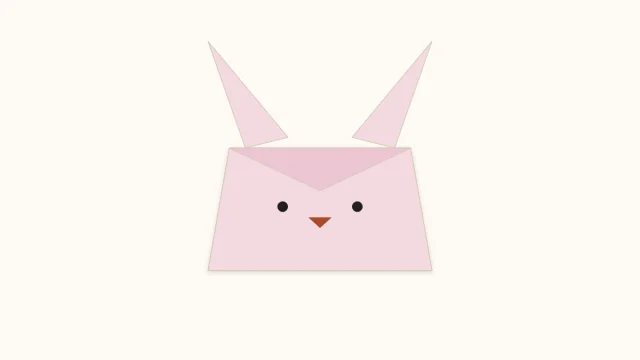
The bunny starts from a water bomb base and gets its volume from a single breath. It is the same principle as the traditional paper balloon, with two ears and a tweak at the nose.
The difference between the dog and the cat is the angle of the ears and one fold at the chin. Just a few folds for each, none of them demanding pinpoint precision.
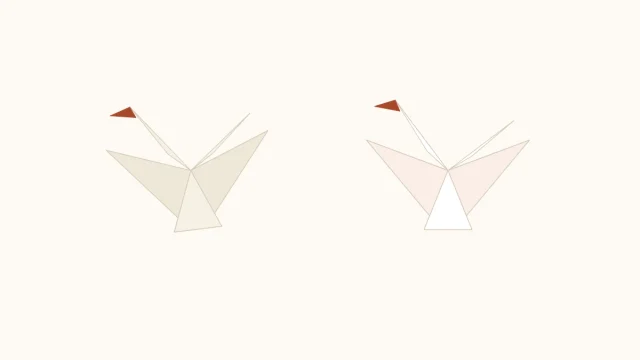
The origami crane calls for two bases and a pair of petal folds, and that is where most people quit. This guide separates each stage and covers the three places the model tends to come out crooked.
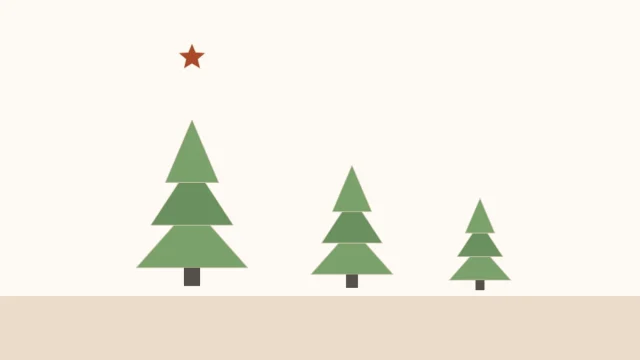
A tree that stands on its own, folded from a preliminary base, with tiered branches. In three sizes it becomes a small forest for the center of the table.
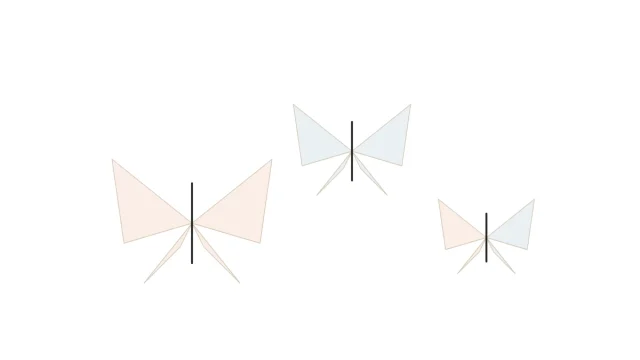
It comes out of the waterbomb base in a few minutes and looks great in a series. Includes the curved-wing variation, which adds volume, and ways to mount it on a wall without damaging the paper.
The masu is the traditional Japanese paper box: straight walls, a firm floor, and no glue. The same sequence with a slightly larger square gives you the lid.
The corner bookmark is a triangular pocket that slips over the page. The base is the same for every variation, and it is the canvas for animals, monsters, or nothing at all.
How a practice tied to Japanese ceremonies became a worldwide pastime, who standardized the diagrams we use today, and why the paper crane carries the symbolic weight it does.
A crooked model, a point that will not close, paper that always tears in the same spot. Nearly all of these problems come from eight specific habits, and each one has a simple fix.